
Last updated November 15, 2026
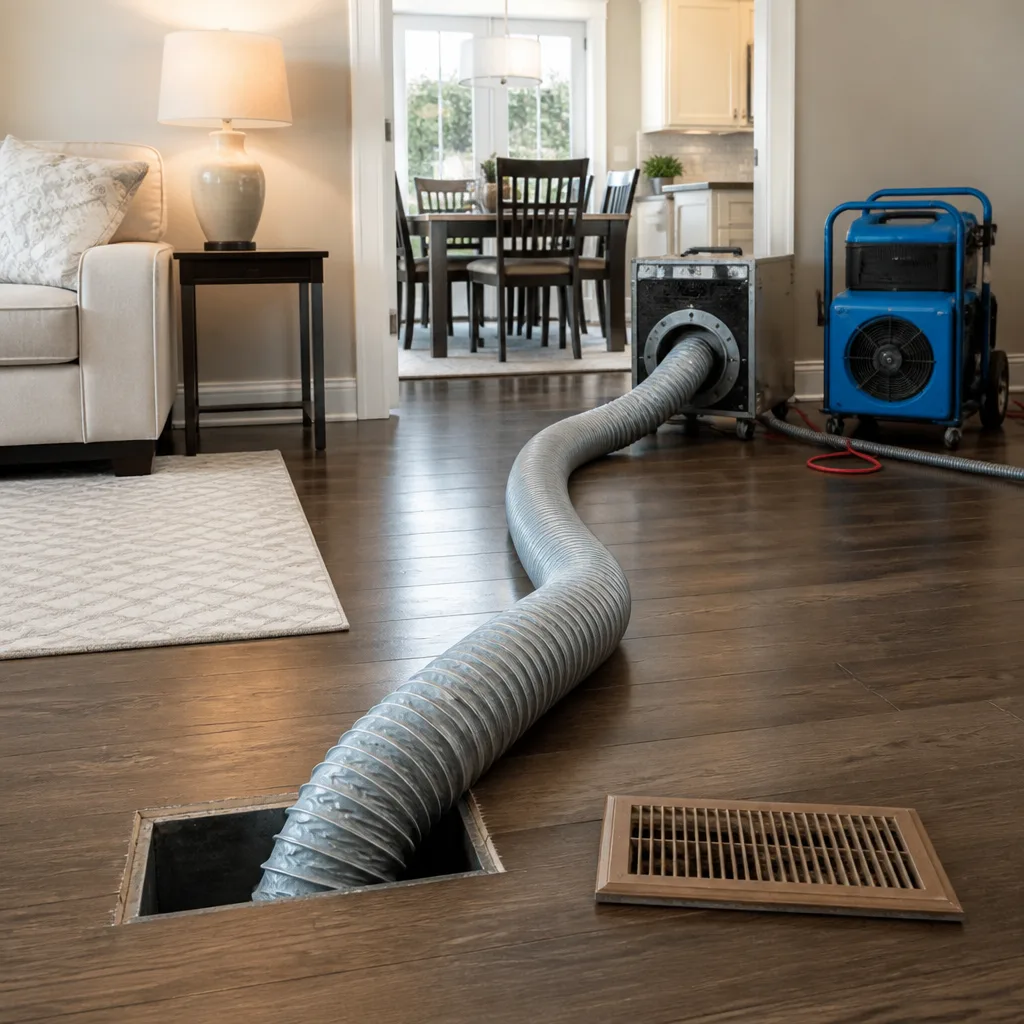 Whole-home duct cleaning
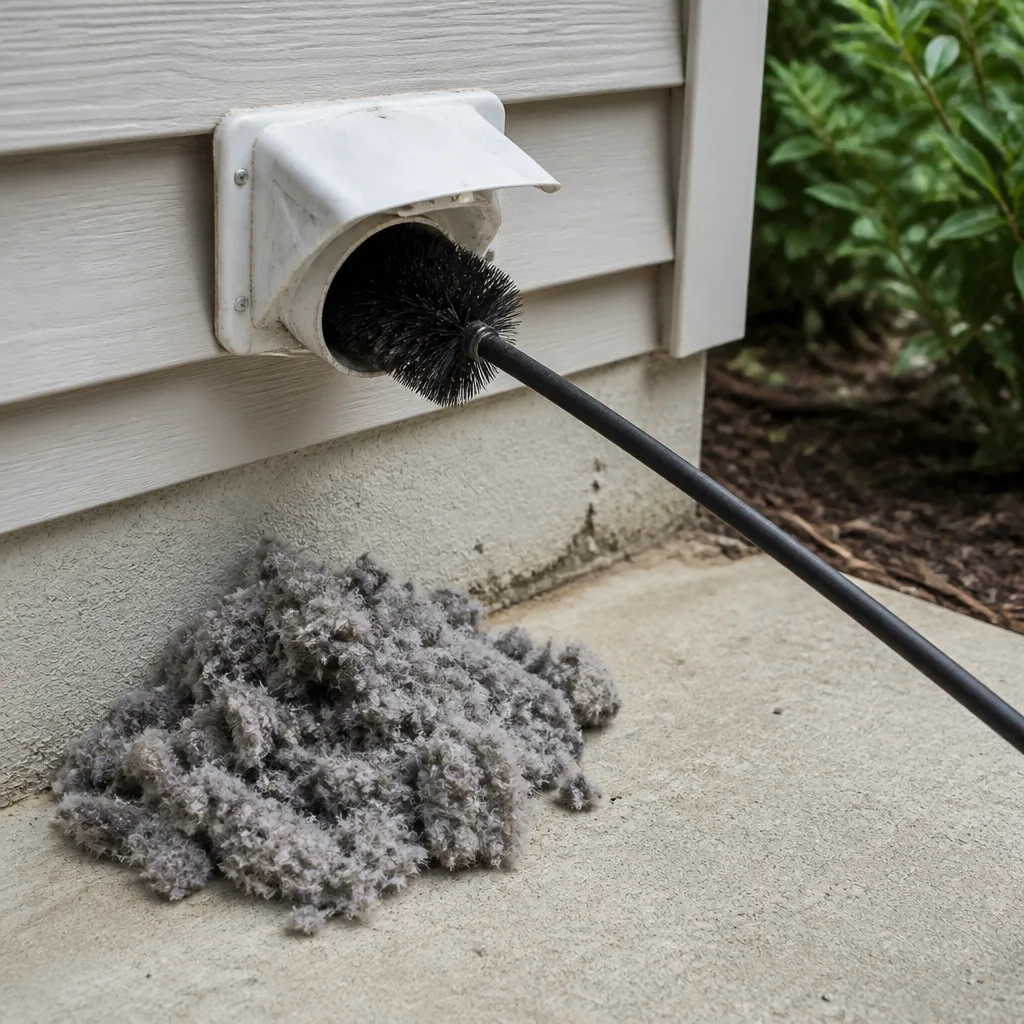 Dryer vent cleaning
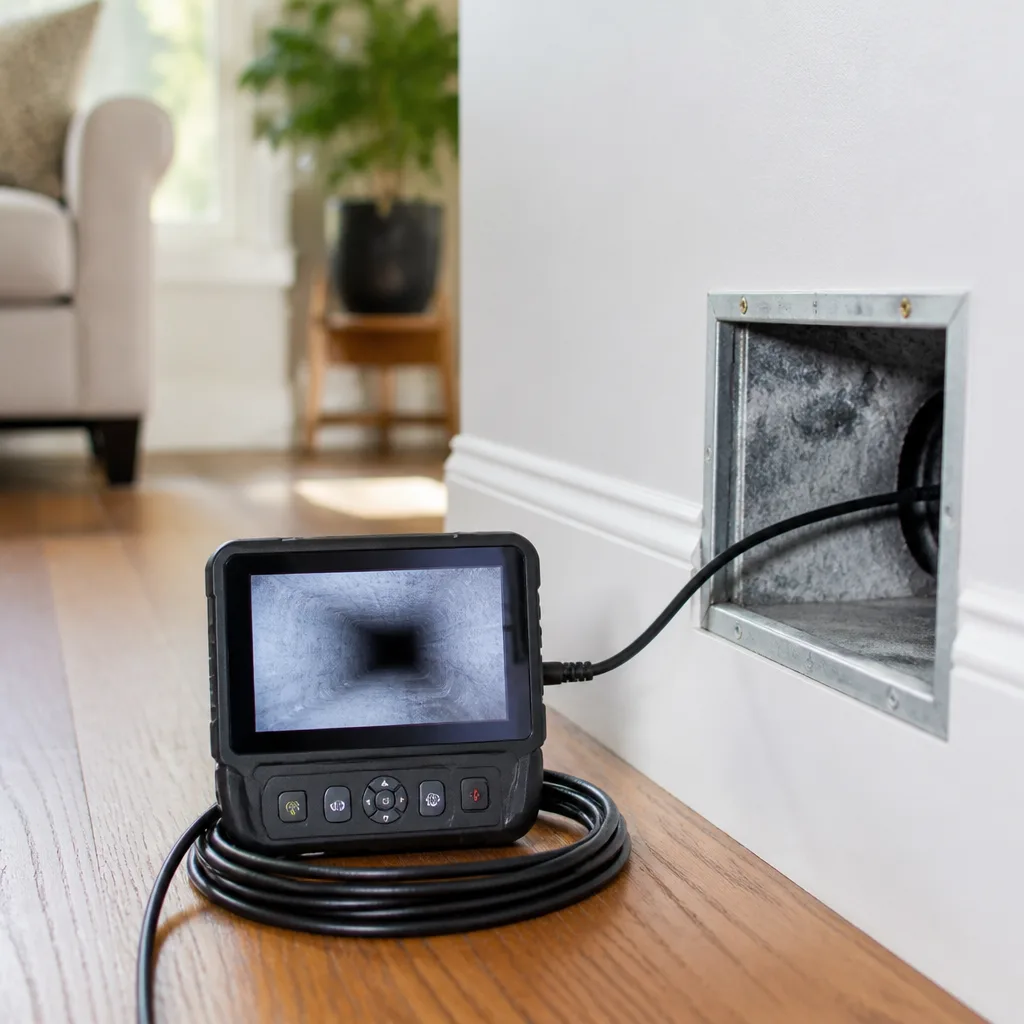 Camera inspection
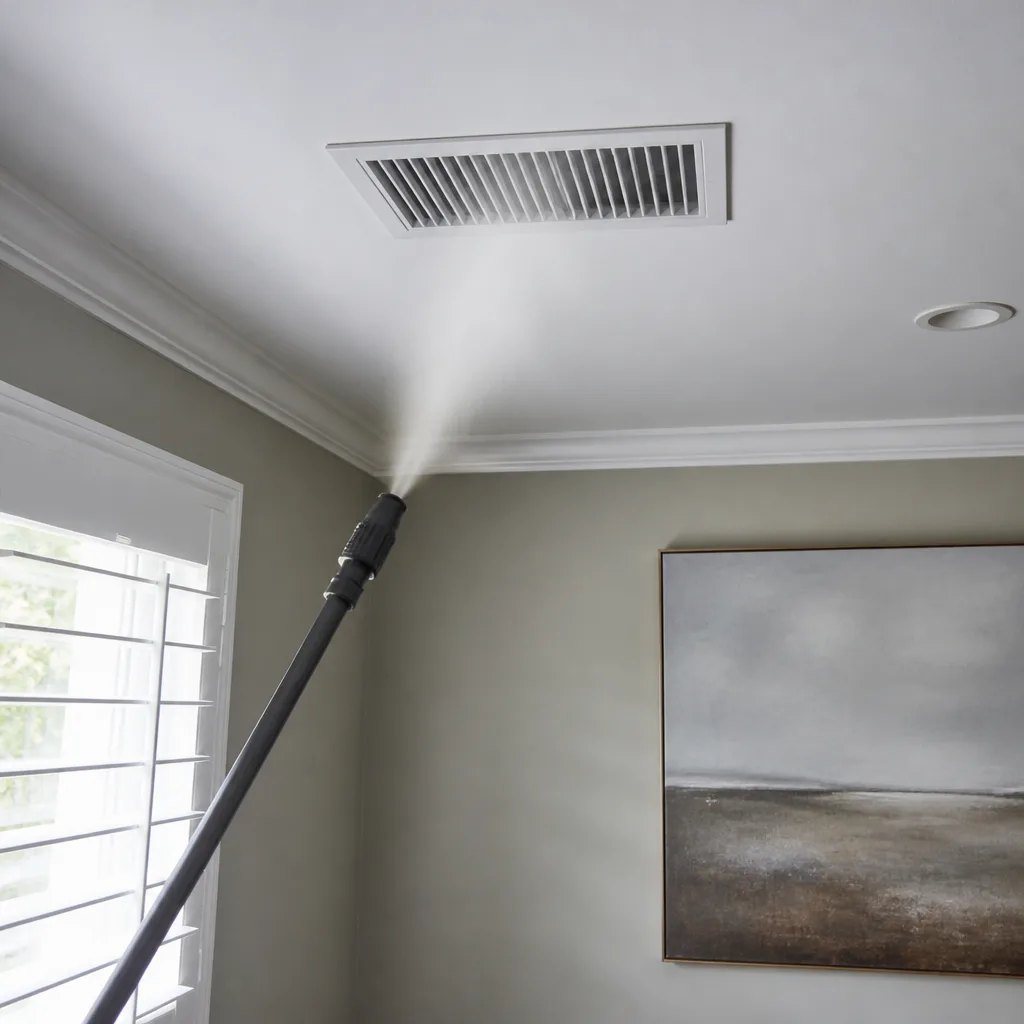 Sanitizing & deodorizing
Whole-system duct and dryer vent check with before-and-after photos - you see exactly what came out of your vents
That "$99 whole-house special" is a bait ad - the real number appears once they are in your hallway, or the "clean" is a shop-vac at the register. We photograph the inside of your ducts before and after instead.
Air Duct Cleaning Permits, Codes & Inspections in Boulder, CO: What You Need to Know
Duct cleaning alone doesn’t need a permit in Boulder. The moment a technician replaces a collapsed flex duct, seals a plenum, or cuts a new opening in an air handler, it becomes mechanical work under Colorado code, and that work is supposed to be permitted. If a contractor swaps a duct section during a cleaning visit and doesn’t pull a mechanical permit, that repair is unpermitted work. It becomes your problem when you sell and an inspector flags it. This guide walks through where the regulatory boundary sits, what crosses it, and how to deal with unpermitted duct work before it stalls a closing in Boulder.
Quick Answer
Routine air duct cleaning does not require a permit in Boulder, because no part of the system is altered. Any repair or modification to the duct system, plenum, register location, or air handler connection counts as mechanical work under the Colorado Mechanical Code and needs a permit from the City of Boulder’s building department. Chemical encapsulants and sealants applied inside ducts are a separate question that falls under EPA guidance on antimicrobial products, not the mechanical code. If you’re buying or selling in Boulder, unpermitted duct repairs are a disclosure item and a common inspection finding.
Styles & brands we work with
- Whole-home duct cleaning
- Dryer vent cleaning
- Camera inspection
- Sanitizing & deodorizing
Table of Contents
- Cleaning vs. Mechanical Work: Where the Line Sits
- Colorado Mechanical Code Section 504 and Duct Systems
- Boulder’s Local Amendments to the Mechanical Code
- The Specific Work That Crosses Into Permitted Territory
- Sanitizing, Encapsulating, and EPA Rules on Chemical Sealants
- How Unpermitted Duct Work Surfaces During a Home Sale
- Fixing an Unpermitted Duct Repair Before You List
- What a Duct Inspection Actually Looks At
Cleaning vs. Mechanical Work: Where the Line Sits
The line between cleaning and mechanical work is simpler than most homeowners expect. Cleaning removes material from inside a duct system that stays exactly where it is. Mechanical work changes the system’s geometry, connections, or materials. The first is maintenance. The second is construction, and construction needs a permit in Boulder.
Here’s a practical way to think about it. Ask yourself one question: does the job change the physical system, or just remove what’s inside it?
- Cleaning: Mechanical agitation and negative-air extraction remove dust, debris, and biological growth from the inside of ducts that stay in place. No permit.
- Inspection: A camera run through the system to look for damage, gaps, or contamination. No permit.
- Mechanical work: Replacing a duct section, sealing a plenum, relocating a register, cutting a new access panel into the air handler cabinet, or reconnecting a run to a different trunk. Permit required.
In Boulder, the older housing stock across neighborhoods like Mapleton Hill and Whittier means we get called to systems with 1970s-era flex duct that has collapsed, disconnected, or been cut and re-taped by a previous owner. The homeowner called for a cleaning. The honest answer is often that there’s a repair in the scope. That repair is mechanical work, and it needs to be handled correctly.
Our air duct cleaning scope stays on the cleaning side of the line. When we find damage, we tell you what we found and what fixing it involves, including the permit question.
Colorado Mechanical Code Section 504 and Duct Systems
Colorado adopts the International Mechanical Code as the Colorado Mechanical Code, with local amendments layered on top by each jurisdiction. Section 504 covers duct systems: materials, installation, support, sealing, and connections. It’s the section that governs how duct work is supposed to be built, and by extension, how any repair to it is supposed to be done.
What Section 504 doesn’t do is require a permit to clean a duct. Cleaning isn’t addressed there, because cleaning doesn’t touch the system’s construction. Section 504 applies when the duct system itself is being installed, replaced, or modified.
That distinction matters in practice. A technician who says “we don’t need a permit, we’re just cleaning” is right, until the moment they start replacing your collapsed duct run. That’s when Section 504 governs the replacement, and when the permit requirement kicks in.
Some of what Section 504 addresses:
- Duct material and minimum thickness for the application
- Support spacing and how runs are hung or strapped
- Sealing requirements at joints and connections
- Clearances to combustibles and how ducts pass through assemblies
- Connection methods to plenums and air handler cabinets
If a repair is done to Section 504 without a permit, the work may still function, but it isn’t documented. In a Boulder home sale, undocumented mechanical work is a problem, and Section 504 compliance is one of the things an inspector will look for. Our Boulder Duct Cleaning team can identify a Section 504 problem during an inspection, but the repair itself goes through the permit process with the city.
Boulder’s Local Amendments to the Mechanical Code
Boulder, like most Colorado jurisdictions, adopts the state’s mechanical code with local amendments. Amendments typically tighten energy-related provisions, add requirements for certain assembly types, and add local administrative rules for how permits are applied for and inspected. The amendments don’t change the basic principle that cleaning is maintenance and modification is mechanical work. What they do change is the process, and where your contractor needs to look.
In Boulder, the practical consequences of local amendments show up in a few places:
- Energy and duct sealing provisions tend to be stricter than in less energy-conscious jurisdictions, which means the sealing method a contractor uses to close a joint may need to match what the amendment calls for, not just what’s easiest.
- Administrative requirements around permit applications and inspection scheduling are set locally, so the contractor needs to know Boulder’s process, not just the state’s.
- Verification requirements sometimes apply to certain duct alterations, meaning a city inspector will look at the work before the permit closes.
None of this is a surprise to anyone who regularly does mechanical work in Boulder. It is a surprise to a cleaning-only company that doesn’t realize it stepped into mechanical work. That’s the scenario we’d put in front of any homeowner considering a duct repair as part of a cleaning visit.
If a contractor tells you a repair doesn’t need a permit, ask them to show you where in the Boulder amendments they found that. If they can’t, that’s your answer. The city’s building department can confirm the current requirement on any specific job, and for a repair of any size, it’s worth the phone call.
The Specific Work That Crosses Into Permitted Territory
Not every duct repair is equal, and not every repair is going to require a permit. But most of the repairs that come up during a cleaning visit are on the mechanical side, not the cleaning side. Here’s the practical breakdown.
Work that counts as mechanical work (permit required):
- Replacing a duct section. Removing a damaged flex run or damaged metal duct and installing a new one is installation work. Permit required.
- Sealing a plenum. Plenums are the supply and return boxes attached to the air handler. Sealing one is mechanical work, because it changes how the system is assembled and connected.
- Relocating a register. Moving a supply or return grille from one location to another means cutting into the duct system and connecting a new boot. Permit required.
- Cutting a new access panel into the air handler cabinet. The cabinet is part of the mechanical system. Modifying it means modifying the mechanical installation.
- Reconnecting a disconnected run. If a duct has pulled off a register boot or trunk line and been reconnected, that connection is required to meet Section 504.
- Adding a run to serve a new room. Any new supply or return from the system is new mechanical work.
Work that is typically cleaning-only (no permit):
- Contact cleaning and vacuuming inside existing ducts
- Camera inspection of duct interiors
- Register and grille removal and reinstallation for cleaning access (put back exactly as removed, not modified)
- Cleaning of components inside the air handler cabinet without altering them
In our experience in Boulder, the most common surprise is discovering a collapsed flex run during a cleaning visit. Replacing it is the right thing to do, and it’s mechanical work. We handle that as an Air Duct Repair scope with the permit question addressed upfront, not as a side task that gets buried inside a cleaning invoice.
Sanitizing, Encapsulating, and EPA Rules on Chemical Sealants
Chemical treatments applied inside ducts are governed by a different set of rules than the mechanical code. The mechanical code asks how the duct is assembled. The EPA asks what’s being put into it and whether the product is approved for that use.
Two categories of chemical treatment come up in residential duct work:
- Antimicrobial treatments and sanitizers. Any product applied inside an air duct for the purpose of killing or inhibiting microbial growth is regulated as an antimicrobial pesticide under EPA rules. The product needs to be registered for use in HVAC systems, and the applicator needs to follow the label. Applying an unregistered product inside a duct is a problem, both for the contractor and for the homeowner.
- Encapsulants and duct sealants. These are coatings sprayed inside ductwork to seal leaks or lock down contamination. They aren’t the same as cleaning. Encapsulation is a coating application, and depending on the product and the application method, it can cross the line into mechanical work under the same logic as any other duct modification.
What this means for a Boulder homeowner:
- Ask what product is going to be used, and whether it’s registered for HVAC use with the EPA.
- Ask whether the application is a cleaning-side service (removal) or an encapsulation (coating). Encapsulation is usually not a routine cleaning-side service.
- Ask whether the contractor is recommending the treatment for a specific finding (visible microbial growth confirmed by camera inspection) or as a default upsell. If it’s a default upsell, that’s a red flag.
- If a contractor proposes encapsulation on a duct system that also needs mechanical repair, do the repair first. Coating over a mechanical problem doesn’t fix it.
We use Abatement Technologies equipment when a job involves contamination at a level that goes beyond routine dust removal, and we’re direct about what treatment is actually warranted for what we find. That’s the whole point of running a camera through the system before recommending anything.
How Unpermitted Duct Work Surfaces During a Home Sale
Colorado real estate disclosure forms ask sellers to disclose known work done without required permits. Unpermitted duct repairs fall into that category. The question isn’t whether the work was done well. The question is whether it was done with a permit, and if not, whether the seller knew it wasn’t.
The common scenarios in Boulder:
- A cleaning visit that quietly became a repair. The homeowner called for cleaning, the technician found a collapsed run, the technician fixed it as a courtesy during the cleaning, no permit was pulled. The homeowner often doesn’t realize a permit was required.
- An owner-done repair or a handyman repair. A duct got reconnected with tape and hope. No permit, no inspection, and the tape is failing.
- A renovation that disturbed duct work without permitting the disturbance. Kitchen or bath remodels often touch duct runs. If the run was modified without a mechanical permit, that’s unpermitted work.
When a buyer’s inspector finds unpermitted duct work, the disclosure process kicks in. It can cost the seller time, delay a closing, and in the worst cases force a price adjustment or a credit. What it almost never does is go away on its own.
Our Boulder team regularly walks homes with a camera before listing, specifically to see what’s actually inside the ducts before a buyer’s inspector does. If we find damage, we’ll tell you whether the repair is a mechanical scope and whether a permit is going to be part of the conversation. If we find unpermitted work, we’ll tell you what we saw, and fixing it correctly is the path forward.
Fixing an Unpermitted Duct Repair Before You List
If you’ve found unpermitted duct work in a house you’re about to sell in Boulder, you have options. Fixing it correctly is usually simpler than a closing that stalls on it. Here’s the sequence:
- Get it inspected and documented. Camera inspection of the duct system shows exactly what was done and what state it’s in now. Photos and a written summary are the start of a paper trail.
- Call Boulder’s building department. Ask what’s required to permit a repair that was previously done without a permit. Some jurisdictions allow the existing work to be permitted and inspected; others require a portion of it to be opened up for inspection. The city will tell you which applies.
- Do the repair correctly. If a duct section needs to be replaced to meet Section 504 properly, replace it. If a plenum needs to be properly sealed, seal it. A contractor who can document the repair with before-and-after photos gives you something to hand to a buyer.
- Get the inspection signed off. Once the permit is closed and the inspection is done, you have a record that the duct work is compliant. That’s what a buyer’s inspector wants to see.
- Update the disclosure. If the unpermitted work was disclosed, add the remediation to the disclosure as well. A documented fix is a much easier conversation than an open question.
The cost of remediating a small unpermitted duct repair before listing is almost always less than the cost of a stalled closing. And the disclosure record is a real asset in a competitive market: a buyer who sees a documented, permitted duct repair doesn’t have a reason to negotiate on it.
What a Duct Inspection Actually Looks At
Two different inspections get called “duct inspections,” and conflating them causes confusion. Here’s the split.
The city’s mechanical inspection happens when a permit has been pulled for duct work. A city inspector verifies that the work matches the permitted scope and meets the code. It covers the mechanical side: materials, connections, sealing, clearances, and installation.
A duct system inspection by a contractor is a diagnostic. It’s usually done with a camera inside the duct system to look for damage, contamination, disconnections, and evidence of unpermitted or poor-quality work. It’s not a city inspection and it doesn’t substitute for one. It’s the step that tells you whether any of the above is worth worrying about.
What a camera inspection typically finds in a Boulder home:
- Flex duct runs that have collapsed, sagged, or pulled off a register boot
- Taped joints that have failed, which is common in older systems after a few decades of thermal cycling
- Dust and biological growth, especially on the return side and in systems with filtration that isn’t running correctly
- Evidence of a previous repair, sometimes done without a permit
- Connections to the air handler that don’t meet Section 504’s sealing or clearance requirements
We work with Nikro negative-air and HEPA equipment and Rotobrush contact cleaning precisely because a camera alone doesn’t fix anything. The camera tells you what’s there. The equipment determines what can actually be addressed, on the cleaning side or on the repair side. When a home runs a Honeywell or Aprilaire whole-home filtration system, we look at the filter housing and the return connection too, because a filtration system that’s not working doesn’t protect the ducts downstream of it.
Common Mistakes to Avoid
- Assuming “permit” is a dirty word. A permit on a duct repair isn’t an indictment of the work. It’s the documented compliance record a buyer’s inspector will look for. Skipping it because it seems like paperwork is how a small repair becomes a closing problem.
- Letting a cleaning visit quietly become a repair without discussing it. If a technician finds a collapsed duct during cleaning, stop and talk about it. The repair is mechanical work, and whether a permit applies should be part of that conversation before the technician does anything.
- Accepting a “sanitizing” upsell without asking what product is going in the ducts. Antimicrobial products applied in HVAC systems are EPA-regulated. If the contractor can’t name the product and its registration, that’s your answer.
- Skipping camera inspection before listing a home. In Boulder’s competitive market, a buyer’s inspector will look inside the ducts. You should see what they’ll see before they do, especially if any duct work was ever repaired.
- Assuming encapsulation is a cleaning service. Encapsulation is a coating application. It’s a mechanical scope on top of whatever else is going on with the duct. And it should never be done over a duct system with a mechanical problem still in it.
- Trusting a cleaning-only company to handle a repair. Companies that clean and don’t repair often make the repair anyway, in the field, without the permit process. That’s how unpermitted duct work happens. We clean and we repair, and the repair is scoped and documented.
- Assuming a permit is a fee to be avoided. The permit process is what makes the repair a document instead of a gap. When the house goes on the market, that document is the difference between a clean inspection and a negotiation.
See the difference
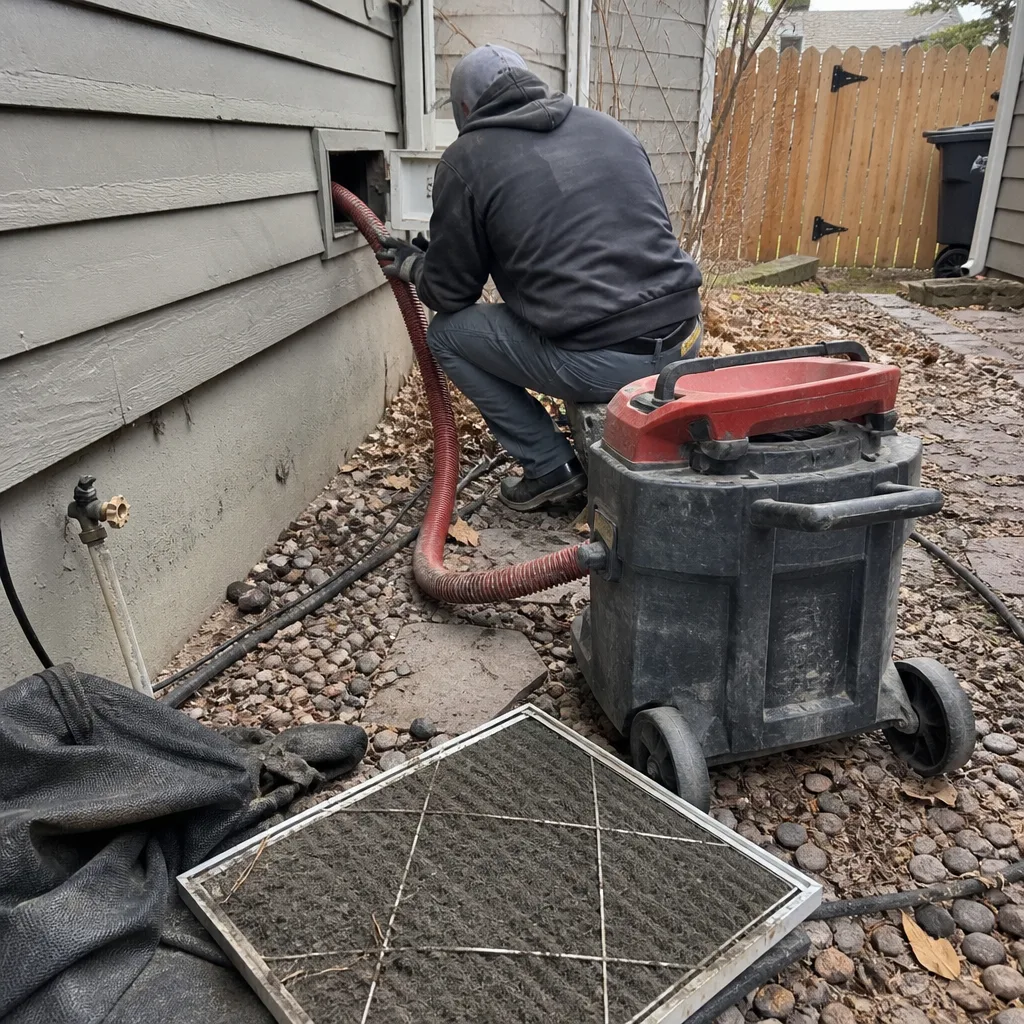 Before
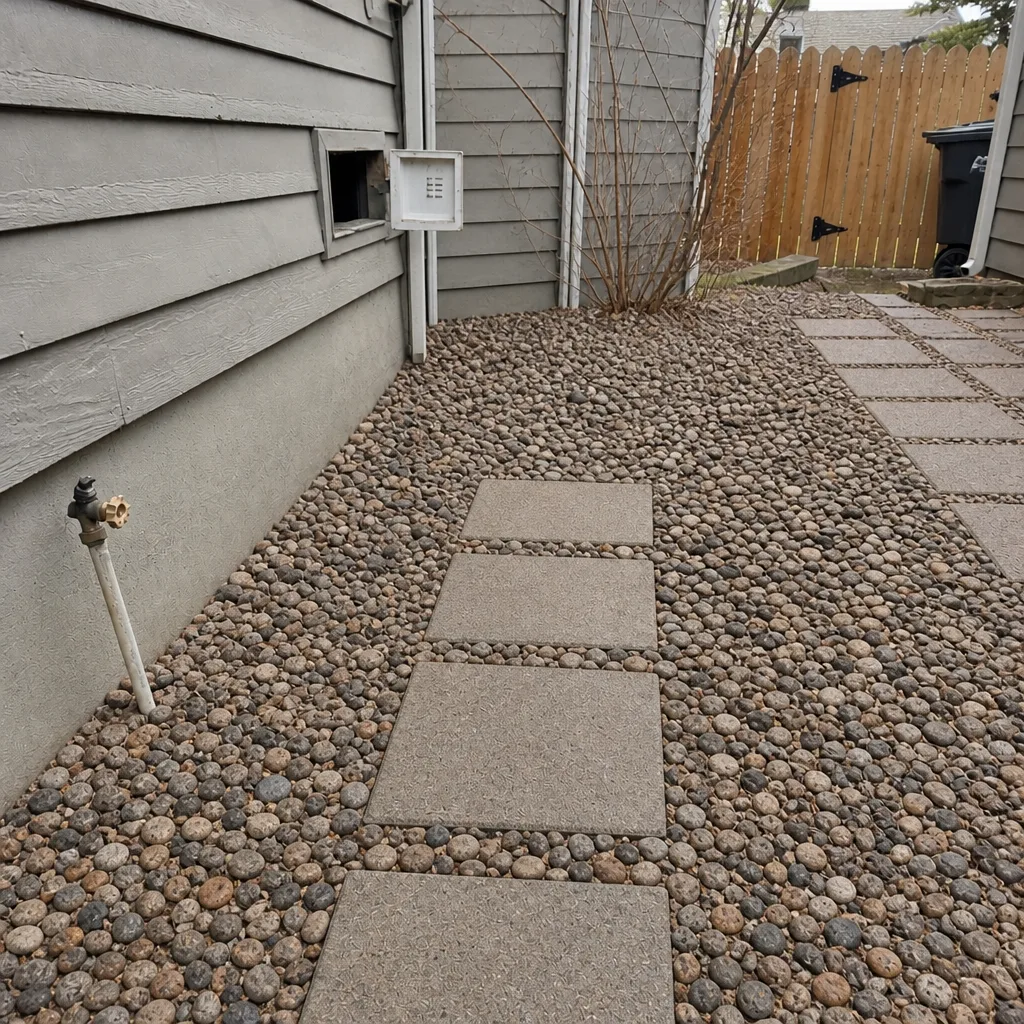 After
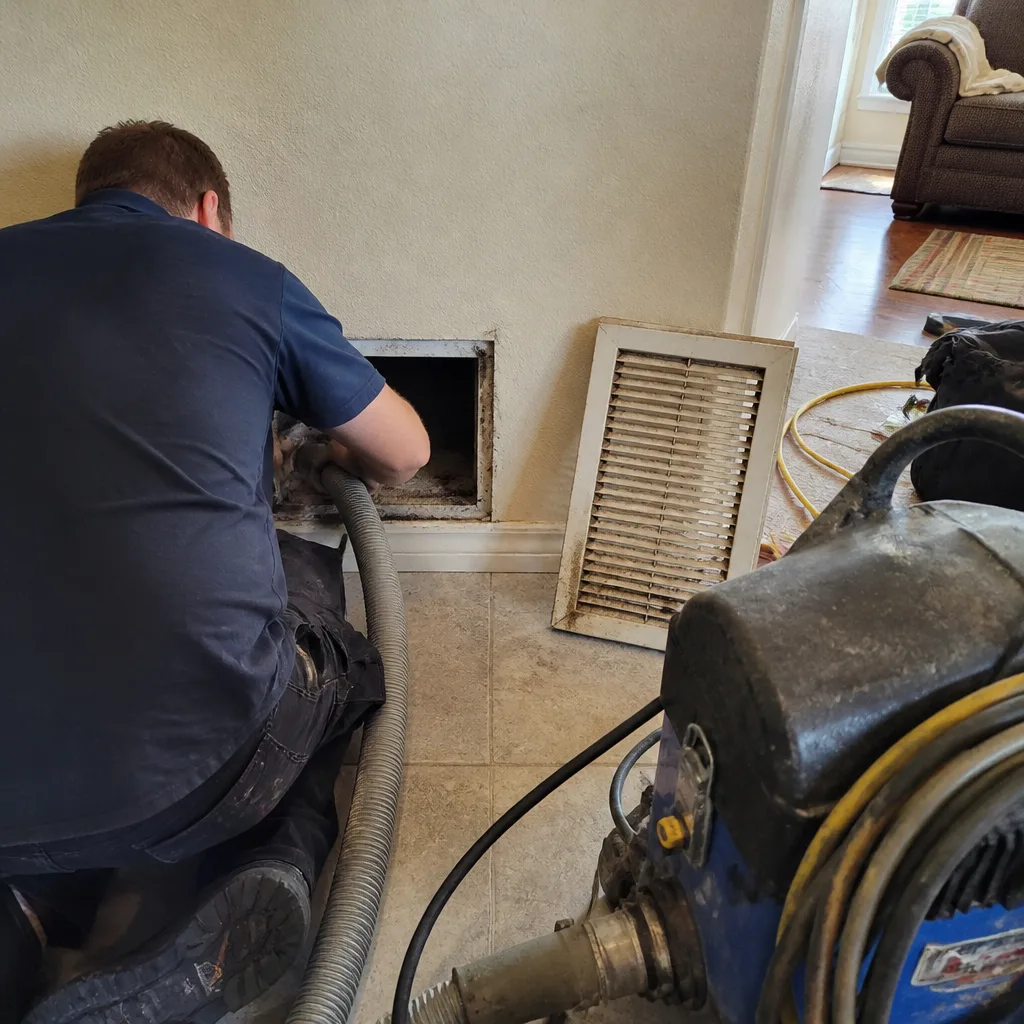 Before
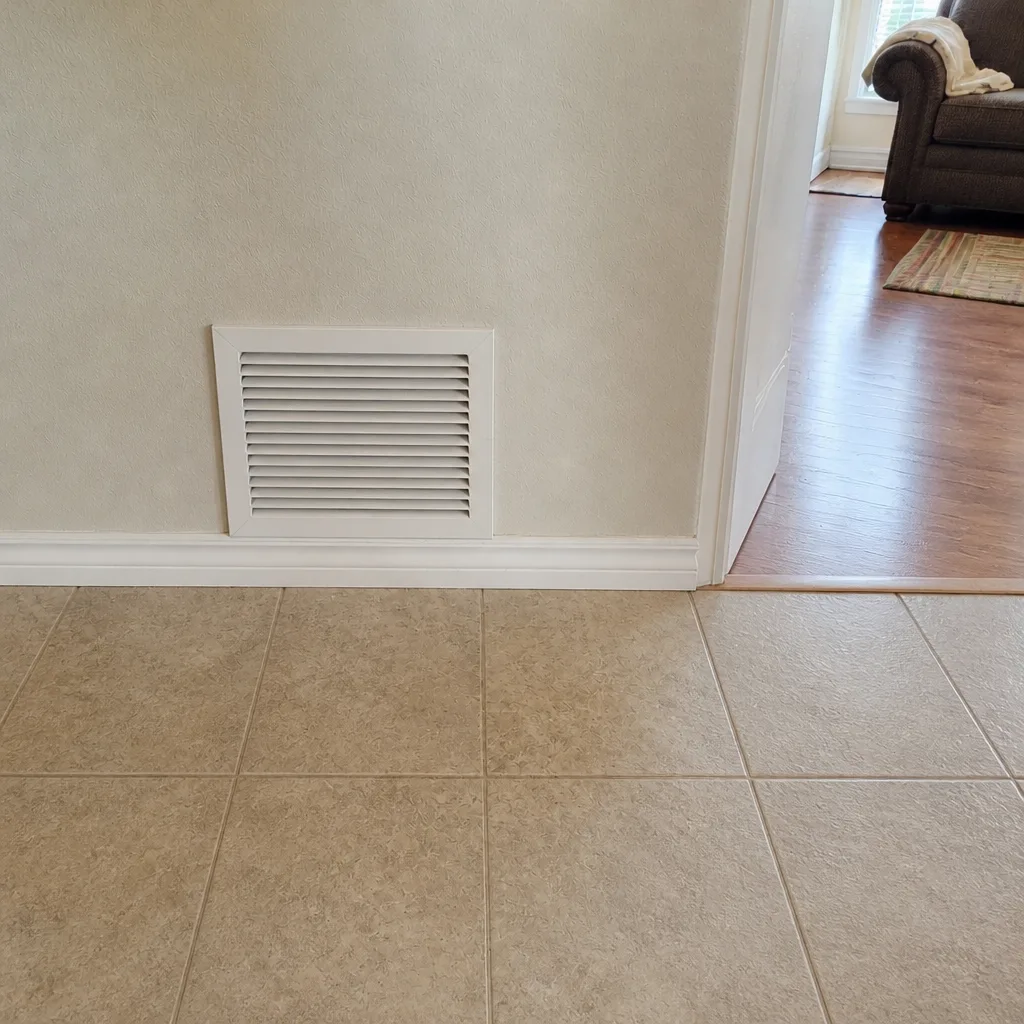 After
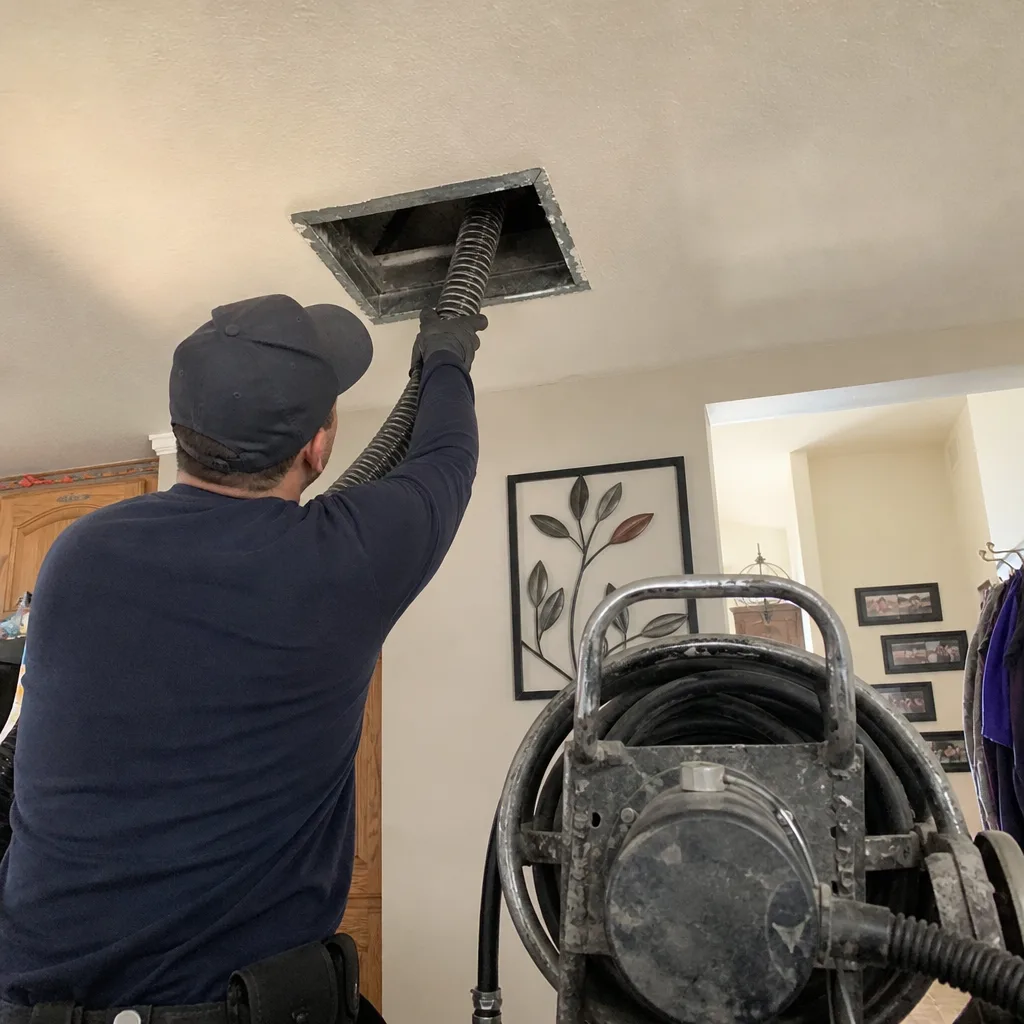 Before
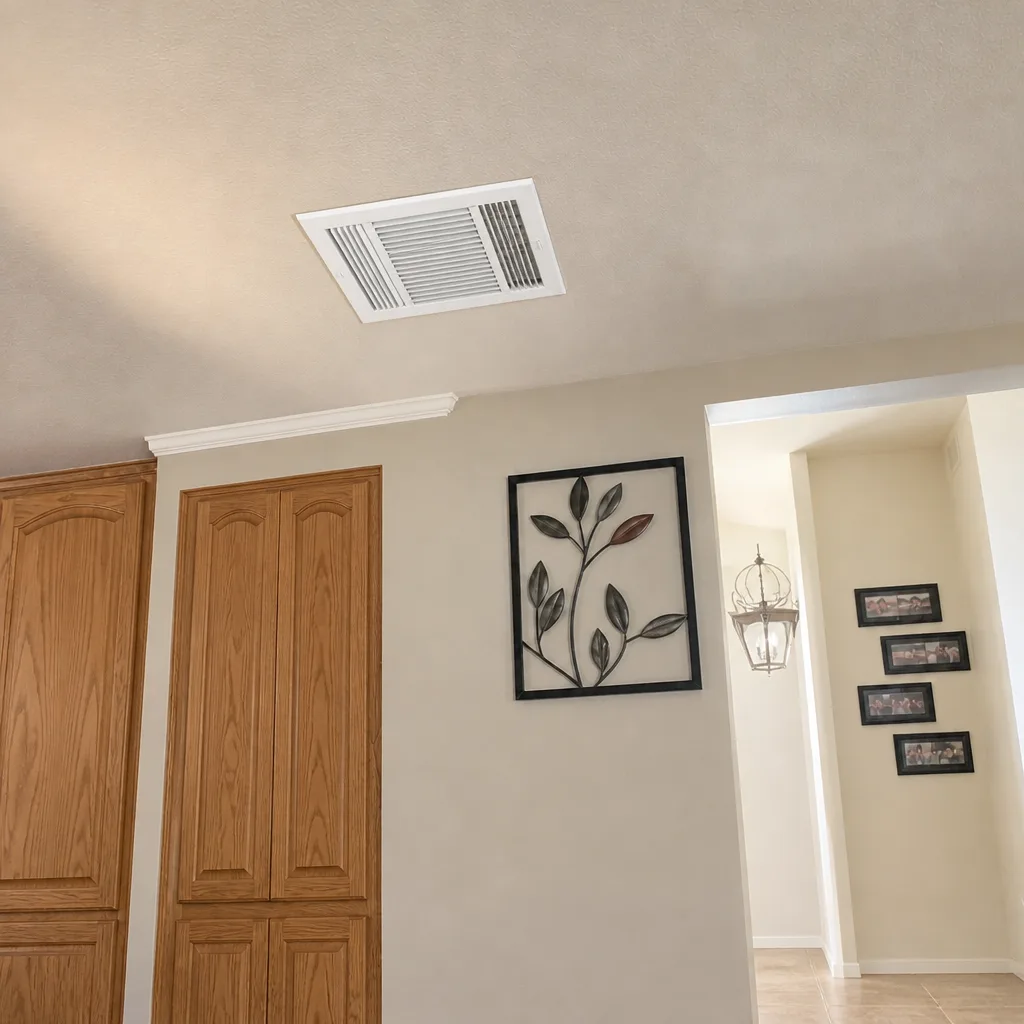 After
When to Call a Professional
Some duct issues are clearly in the cleaning category: visible dust on registers, a musty smell when the system first comes on, or a home renovation that just finished. Those are cleaning calls. Others cross the line into mechanical work: a duct that’s visibly collapsed or disconnected, a register that seems weakly fed compared to the rest of the house, a plenum that’s leaking air into a mechanical room, or an air handler connection that doesn’t look properly sealed.
If you’re selling a Boulder home and you’re not sure whether past duct work was permitted, a camera inspection is the fastest way to know what you’re dealing with before a buyer’s inspector does.
Boulder Duct Cleaning offers free estimates in Boulder. Call (877) 550-7147. We answer 24/7. Fast dispatch from 7am to 7pm, Sunday through Friday. We’ll tell you what we find, what category it falls into, and what the next step is. Our technicians have up to 9 years of experience identifying cleaning scope from mechanical scope on duct systems across Boulder.
Frequently Asked Questions
No. Routine air duct cleaning does not require a permit in Boulder because the duct system isn’t being altered. If the technician also replaces a duct section, seals a plenum, moves a register, or modifies the air handler connection, that additional scope is mechanical work and requires a permit. Call (877) 550-7147 for an exact answer on your specific situation – estimates are free.
A duct repair needs a permit when it changes the system’s materials or geometry, not just its interior cleanliness. Replacing a section, moving a register, cutting a new access panel into the air handler, and reconnecting a failed run all fall on the mechanical side. Cleaning, inspection, and register removal for cleaning access do not. Call (877) 550-7147 and describe the repair – we’ll tell you what category it falls into.
Yes, at the federal level. Products applied inside air ducts to kill or inhibit microbial growth are regulated as antimicrobial pesticides by the EPA and must be registered for HVAC use. Whether encapsulation crosses into mechanical permit territory depends on the product and application. Ask any contractor to name the product and confirm the registration before it goes into your ductwork. Call (877) 550-7147 if you want a camera inspection first to see whether treatment is warranted at all.
Often, yes. Colorado real estate disclosure forms ask sellers to disclose known work done without required permits, and a buyer’s inspector will typically look inside the duct system. Unpermitted duct repairs are a common finding. If you know or suspect past unpermitted work, get a camera inspection and address the remediation before listing. Call (877) 550-7147 to schedule an inspection in Boulder.
Ask about the cleaning equipment specifically, not just “professional equipment.” Contact-cleaning tools like the Rotobrush system and negative-air HEPA machines like Nikro’s are what physically remove debris from the ducts without just stirring it up. For contamination-level situations, Abatement Technologies equipment matters. On homes running Honeywell or Aprilaire whole-home filtration, ask whether the technician knows how to service the housing and return connection, not just the duct runs. Call (877) 550-7147 for a free estimate.
Only if they’re set up to do mechanical work in Boulder. Many cleaning-only companies aren’t. If a technician finds a repair during cleaning, the right move is to stop, document what’s there, and decide whether the repair is a mechanical scope requiring a permit. Companies that clean and repair, like ours, can handle both sides. Call (877) 550-7147 to talk through what you’re seeing.
The Bottom Line
Cleaning a duct is maintenance and needs no permit in Boulder. Repairing a duct is mechanical work under the Colorado Mechanical Code, and Boulder’s local amendments of the state code apply on top. The work that crosses the line is specific and predictable: replacing a run, sealing a plenum, relocating a register, cutting an air handler access panel, reconnecting a disconnected run. Chemical treatments inside ducts are a separate question under EPA antimicrobial rules, and encapsulation is closer to a mechanical scope than a cleaning service. For Boulder sellers, unpermitted duct work is a disclosure item that shows up in a buyer’s inspection, and the fix is a camera inspection, a permit through the city, and a documented repair. We clean and we repair, so both sides of that line are ours to scope correctly. If you’re not sure which side you’re on, start with a camera inspection. Call (877) 550-7147 for a free estimate.
Written by the team at Boulder Duct Cleaning.