
Last updated November 15, 2026
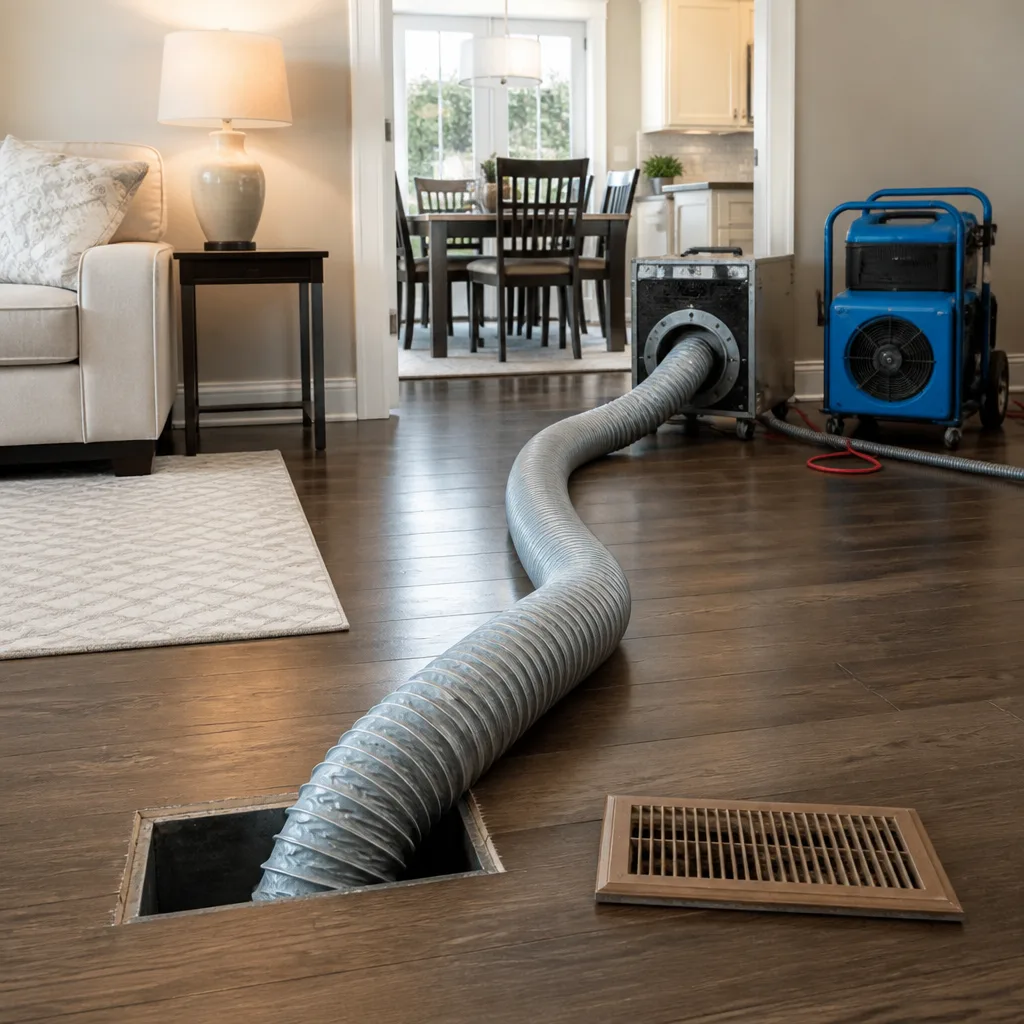 Whole-home duct cleaning
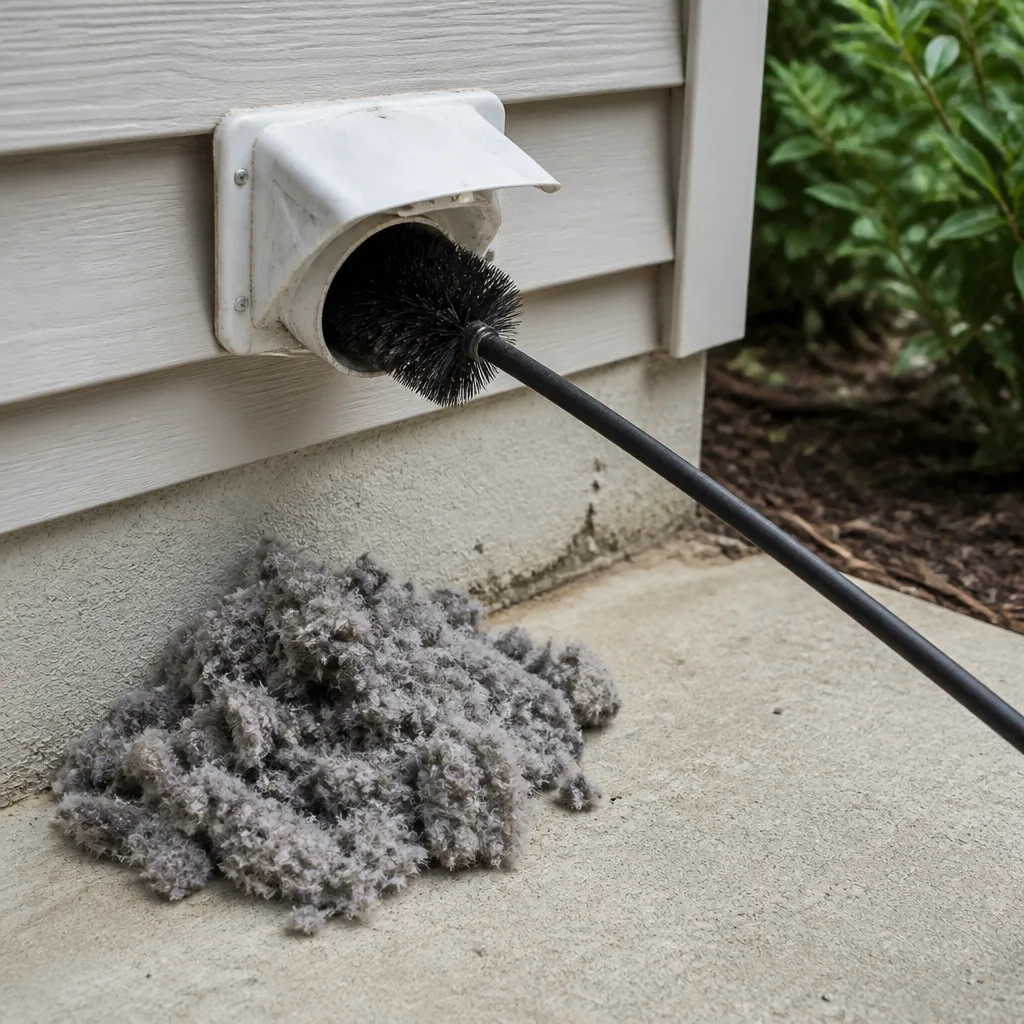 Dryer vent cleaning
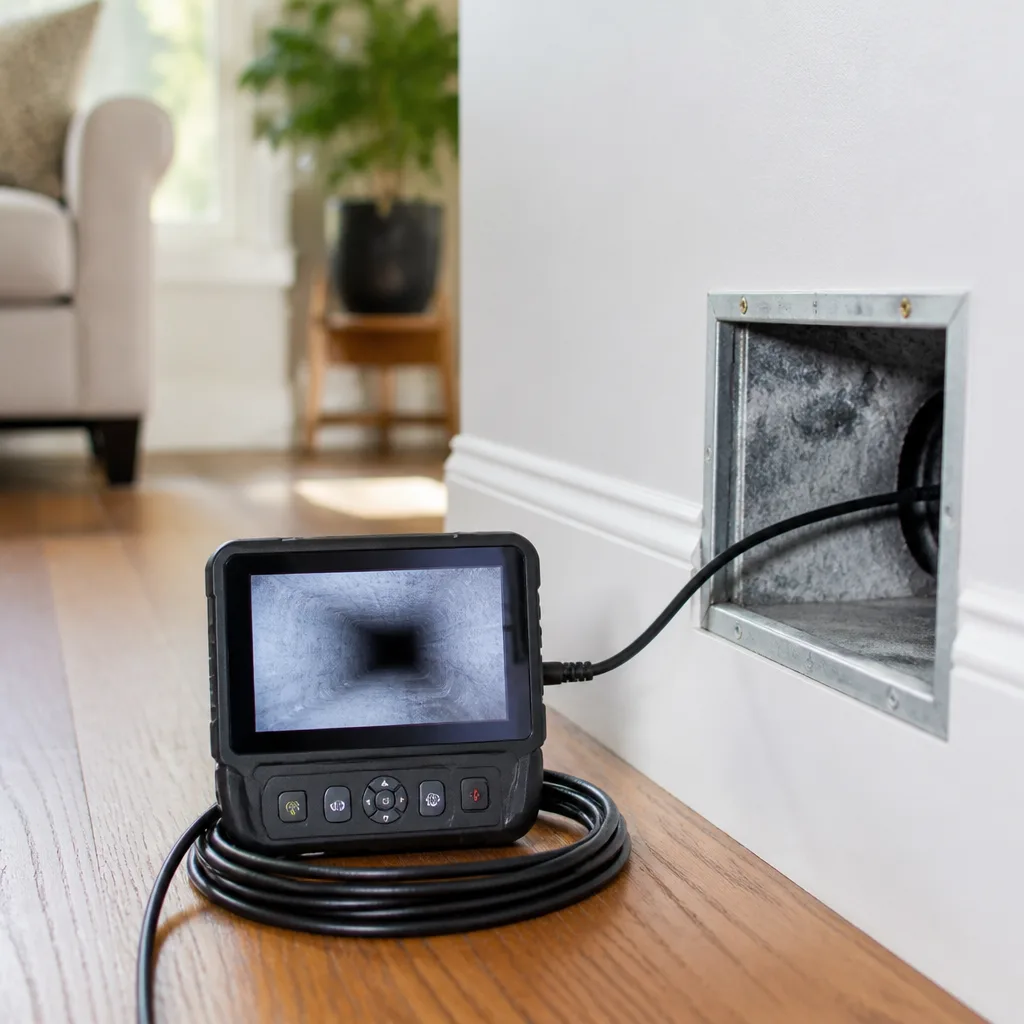 Camera inspection
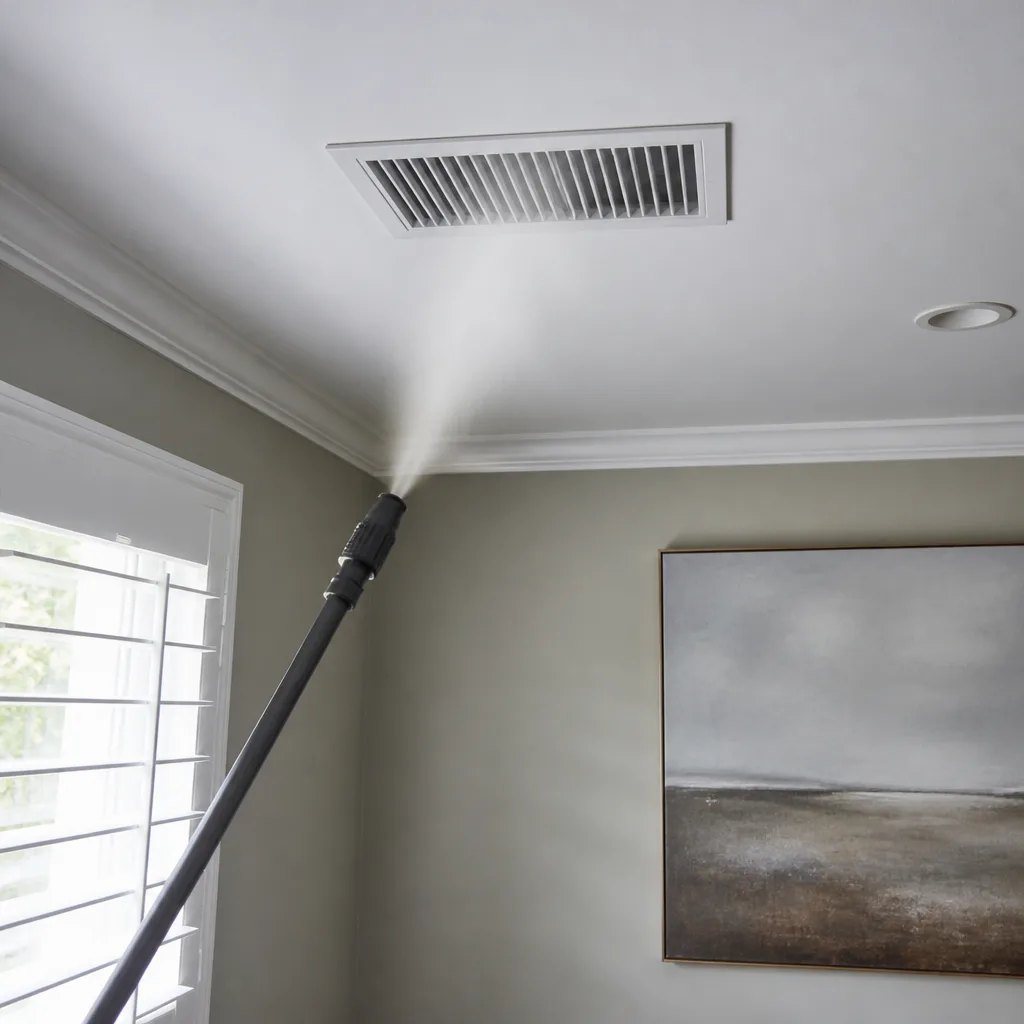 Sanitizing & deodorizing
Whole-system duct and dryer vent check with before-and-after photos - you see exactly what came out of your vents
That "$99 whole-house special" is a bait ad - the real number appears once they are in your hallway, or the "clean" is a shop-vac at the register. We photograph the inside of your ducts before and after instead.
Air Duct Cleaning Cost Breakdown: The Boulder Homeowner’s Reference for 2026
A $299 whole-home duct cleaning quote in Boulder in 2026 doesn’t add up. To run professional-grade negative-air equipment through a full house, verify the result on camera, and still pay a trained technician for the hours the job takes, the math has to break somewhere. Usually it breaks on equipment and on scope, not on profit margin. That’s the thing most homeowners miss when they compare three quotes and pick the lowest: they’re comparing three different jobs wearing the same label. This guide breaks down what each cost tier in Boulder actually buys, which line items are legitimate, and which ones are manufactured to pad an invoice.
Quick Answer
Air duct cleaning in Boulder typically runs $400 to $900 for a standard single-family home in 2026, with larger two-story homes, finished basements, and older galvanized systems pushing toward $1,200 or more. Quotes under $299 are almost always a surface pass with undersized equipment that skips verification. The number that matters is scope and equipment, not the headline price, so the written estimate should itemize the whole system before any work starts.
Styles & brands we work with
- Whole-home duct cleaning
- Dryer vent cleaning
- Camera inspection
- Sanitizing & deodorizing
Table of Contents
- Why Do Boulder Duct Cleaning Quotes Vary So Widely?
- What Each Cost Tier Actually Buys
- Linear-Foot vs. Flat-Rate Pricing: Which Is More Transparent?
- Equipment as a Proxy for Job Quality
- Legitimate Add-Ons and Their Costs
- Illegitimate Upsells to Watch For
- Boulder-Specific Cost Factors
- How to Compare Quotes Line by Line
Why Do Boulder Duct Cleaning Quotes Vary So Widely?
The spread in air duct cleaning pricing in Boulder comes down to four variables: equipment level, scope of work, verification practice, and whether the contractor is doing a full NADCA-compliant job or a quick surface pass. Two quotes for “$599” can represent completely different amounts of labor and different machines. That’s why comparing headline prices alone is a trap.
Here’s what actually changes the number:
- Equipment class. A trailer-mounted negative-air rig with a HEPA vacuum draws serious suction and captures fine particulate. A handheld portable unit does not. The day-rate difference is real and it shows up in the quote.
- Scope of coverage. Supply trunks, return runs, branch lines, the air handler, and the register boots all take time. A skimpier scope covers fewer of these.
- Verification. Before-and-after photos of the actual ductwork take time and skill. Some contractors skip it entirely.
- Home complexity. A Boulder ranch with a simple trunk-and-branch layout is faster than a two-story with a finished basement and multiple plenum transitions.
Once you understand these four levers, the $200 to $1,200 spread stops being mysterious. It starts looking like four different products sold as one. Our technicians have up to 9 years of experience, and in that time we’ve seen plenty of Boulder homeowners realize mid-job that their “$399 special” covered about a third of the house.
What Each Cost Tier Actually Buys
Here’s how the pricing tiers break down by what a homeowner actually receives. These are typical estimates for Boulder homes; the written estimate sets the final price, and it should be itemized before work begins.
Under $300: The Surface Pass
At this price, the job is done with a portable unit, often a spinning brush fed from the register opening, without a full negative-air setup. There’s usually no camera verification, no air handler coverage, and limited branch work. For a one-bedroom condo with short runs, it might be sufficient. For a three-bedroom Boulder house with a finished basement, it isn’t.
$400 to $650: The Mid-Range Whole-System Job
This tier typically covers supply and return runs, register boots, and basic verification. The equipment is usually better: a proper negative-air machine and contact-cleaning tools rather than just a brush. For a typical 1,500 to 2,000 square foot single-story home in Boulder, this is the realistic floor for a competent whole-system cleaning.
$700 to $1,200+: Full-Scope with Repair Capability
At the top of the range, the job includes the air handler and coil, tighter branch work through close to every register, and the option to address damaged ductwork found along the way. This is where a contractor who can also do air duct repair earns their keep: a torn flex run or a disconnected joint discovered mid-clean can be fixed in the same visit rather than left for another contractor. Our work is built around exactly that: we clean and we repair.
Whichever tier matches your home, the estimate should state what’s covered, what isn’t, and how many registers or runs are included. If a quote doesn’t spell that out, it’s not really a quote.
Linear-Foot vs. Flat-Rate Pricing: Which Is More Transparent?
Boulder’s housing stock runs from 1950s ranches to newer two-stories with finished basements, and the pricing model a contractor uses reveals how they think about that variety. There are two common models: per-linear-foot and flat-rate.
Linear-Foot Pricing
Linear-foot pricing multiplies the total measured length of ductwork by a per-foot rate, plus add-ons for the air handler and registers. It’s transparent in a sense: you can see the math. But it also creates a temptation to measure generously, and it punishes homes with sprawling layouts.
Flat-Rate Pricing
Flat-rate pricing quotes a single number based on home size, number of registers, and system complexity. It’s easier to compare across contractors, and it caps the risk for a Boulder homeowner whose layout turns out trickier than expected. The tradeoff is that “flat rate” only works when the scope is clearly defined.
Converting Between the Two
To compare a per-foot quote with a flat-rate quote, do this:
- Ask the per-foot contractor for their measured total length and the per-foot rate.
- Multiply to get their base price, then add their air handler and register charges.
- Compare the result to the flat-rate quote covering the same scope.
- Confirm that both quotes include verification photos and the same count of registers.
For Boulder’s mix of layouts, flat-rate pricing with a clearly itemized scope tends to be easier for a homeowner to sanity-check. Our estimates are one flat price per system, agreed before any work starts, with no per-vent surprise charges.
Equipment as a Proxy for Job Quality
Equipment has a day-rate, and that day-rate shows up in the price you’re quoted. A professional negative-air trailer rig and HEPA vacuum combination costs real money to own and run, and it takes a trained operator plus an assistant to move it through a job properly. That’s a floor on the cost of a real duct cleaning, and it’s why a $299 whole-home quote in Boulder is mathematically impossible.
What professional-grade equipment looks like on the truck:
- Rotobrush contact-cleaning systems for tools that physically agitate dust loose from duct walls, rather than just pulling air through.
- Nikro negative-air and HEPA equipment to hold the duct system under negative pressure and capture fine particulate, the same class of machine restoration contractors use.
- Abatement Technologies equipment when the situation calls for contamination-level handling, such as fine particulates or suspected mold spores.
When you’re reading a quote, ask what equipment class will be used on the job. If the answer is “a big vacuum,” ask for the brand. A contractor who shows you the specific machine has nothing to hide about scope. If you want to see exactly what we use and why, we’re glad to walk through it before you book.
Legitimate Add-Ons and Their Costs
Some add-ons are genuine, separate jobs with their own equipment and time. Others aren’t add-ons at all, they’re padding. Here’s how to tell them apart, and what the legitimate ones typically cost in Boulder.
Dryer Vent Cleaning (Typically $100 to $200)
This is a separate system from your HVAC ducts, so it’s a separate charge. It’s also a fire-safety service, not a convenience: lint buildup in a dryer vent is a documented fire hazard, and the tools for it are different from HVAC duct tools. We treat dryer vent cleaning as its own job with its own process, and we’d argue it belongs higher on most homeowners’ priority lists than a duct cleaning.
Air Handler Coil Cleaning (Typically $100 to $250)
Cleaning the evaporator coil requires a coil cleaning chemical and a proper rinse protocol, plus care to protect the surrounding cabinet. It’s a legitimate add-on, especially on a system that hasn’t been serviced in years. Ask whether the quote includes it or not.
UV Light Installation (Typically $250 to $500+)
UV lights are electrical work and should be installed with the circuit properly planned. This is a different scope from cleaning, so a separate line item is reasonable. It’s also easy to oversell, so request a clear explanation of what the light is designed to do before agreeing.
Illegitimate Upsells to Watch For
The three most common upsells in this trade get sold as “good practice” when they should be evidence-based decisions. Here’s what to push back on.
- Antimicrobial fogging. Fogging without a confirmed mold finding, documented by camera, is a manufactured hit. Real contamination-level work starts with evidence, not a chemical fog.
- Duct sealing. Sealing without a duct leakage test to establish a baseline is unverifiable and doesn’t give you a way to know whether the sealing did anything. Request the test.
- Deodorizer treatment. Adding a deodorizer as a standard line item is a sales tactic dressed as a service. A deodorizer treats a symptom and gives you no information about the source.
The best defense is a written scope from a contractor who will show you the before-and-after photos of your own ducts. If a technician can’t produce photos, the work is unverifiable regardless of what it was called.
Boulder-Specific Cost Factors
Boulder homes carry a few local cost drivers that a metro-average pricing chart won’t tell you about. If you’re budgeting, factor these in.
Older Galvanized Steel Systems
Boulder has a lot of 1950s through 1970s homes with galvanized steel duct runs. Those systems cost more to clean correctly than modern flex duct, because the seams and joints trap dust and require careful contact cleaning rather than just airflow. Budget toward the upper end if your home is original to that era.
Crawlspace Access
Crawlspace and basement ductwork adds labor time: the technician has to set up, protect the space, and often work in tighter quarters. It’s not a scam charge; it’s real time.
Post-Fire Remediation
After a wildfire or house fire, the scope changes entirely. Fine particulate, soot residue, and the need for contamination-level equipment mean post-fire remediation quotes usually run higher than routine cleaning. Abatement Technologies tools are typical on that work, along with careful verification of before-and-after condition.
If you’re in a specific part of Boulder, the same four variables apply, but the age of the housing stock is the biggest swing factor on the estimate.
How to Compare Quotes Line by Line
When you have three quotes in front of you, ignore the total until you’ve lined up the scope. Use this checklist.
- Confirm equipment class. Ask what specific brand and type of negative-air unit will be used.
- Confirm coverage. How many supply runs, return runs, and registers are included?
- Confirm the air handler. Is the coil cleaning included or separate?
- Confirm verification. Will you receive before-and-after photos of your own ducts?
- Confirm repair capability. If a damaged duct run is found, can it be fixed in the same visit?
- Confirm the price is flat per system. “Per vent” pricing is a way to grow the invoice on-site.
If you want a starting point, you can read more about our air duct cleaning service and the equipment we use before you book an estimate.
Common Mistakes to Avoid
- Picking the lowest bid without checking scope. A $249 quote and a $699 quote are usually different products, not a discount. Compare the line items before comparing the totals.
- Assuming “per vent” pricing is fair. It creates an incentive to count every register and every boot as a billable item. Flat-rate pricing on a defined scope avoids that.
- Skipping the before-and-after photos. Photos of your own ducts are the only verifiable evidence the work was done. If a contractor won’t provide them, ask why.
- Accepting an antimicrobial fog without a documented finding. Ask for the camera evidence of contamination before agreeing to treatment.
- Hiring a contractor who can’t repair. A cleaning visit that finds damaged ductwork and leaves it in place isn’t a full service. Confirm repair capability up front.
- Forgetting the dryer vent. It’s a separate fire-safety job that most homeowners put off for years. Budget for it in the same visit if it’s been a while.
- Assuming a single cleaning solves indoor air quality. If you run a whole-home Honeywell or Aprilaire filtration system, that equipment needs its own attention. Filtration performance depends on duct condition, not just the filter.
See the difference
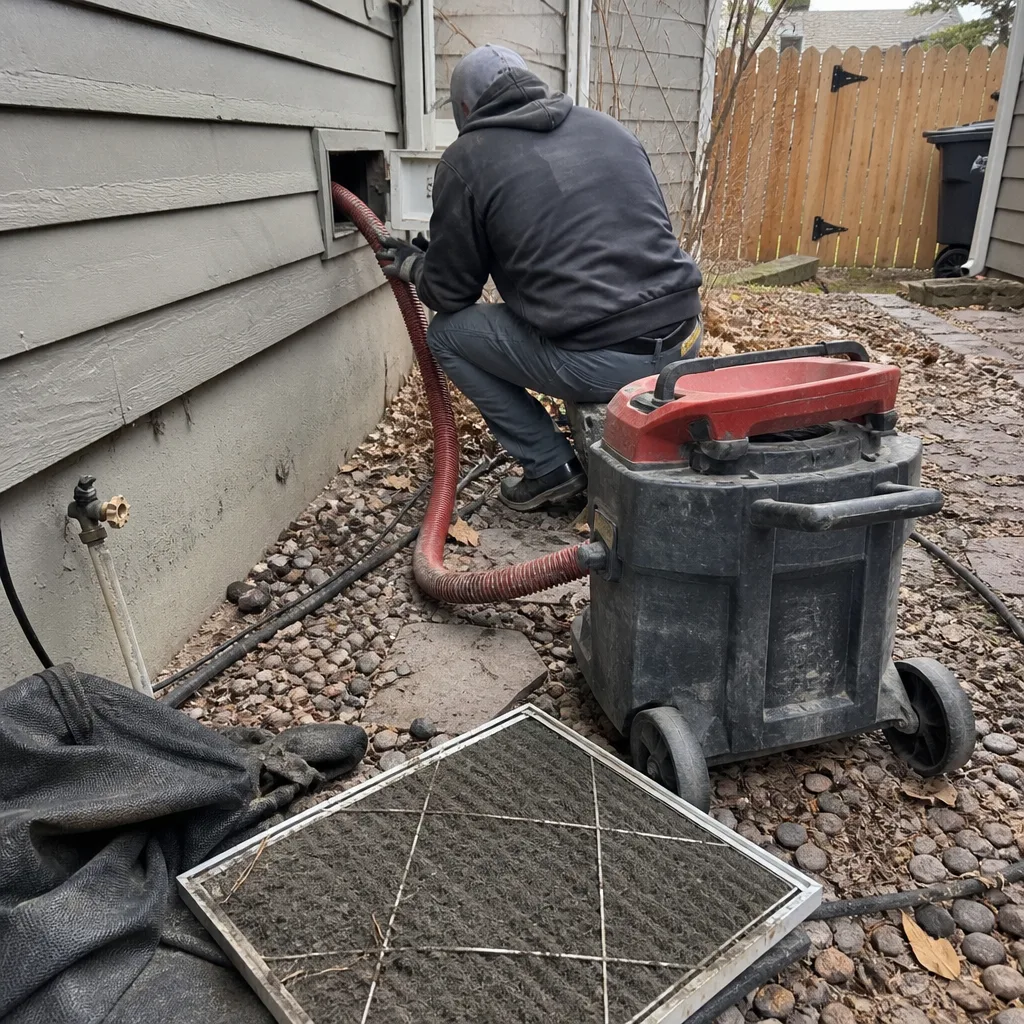 Before
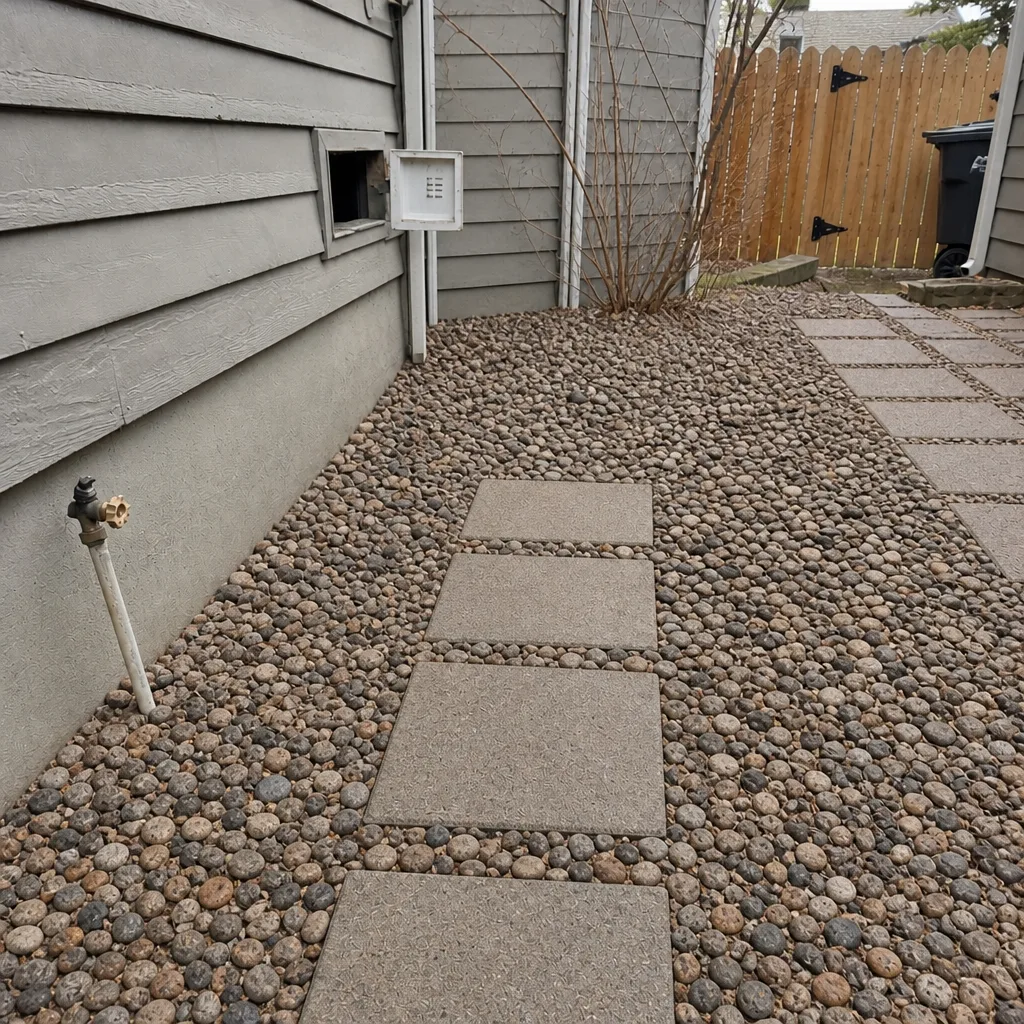 After
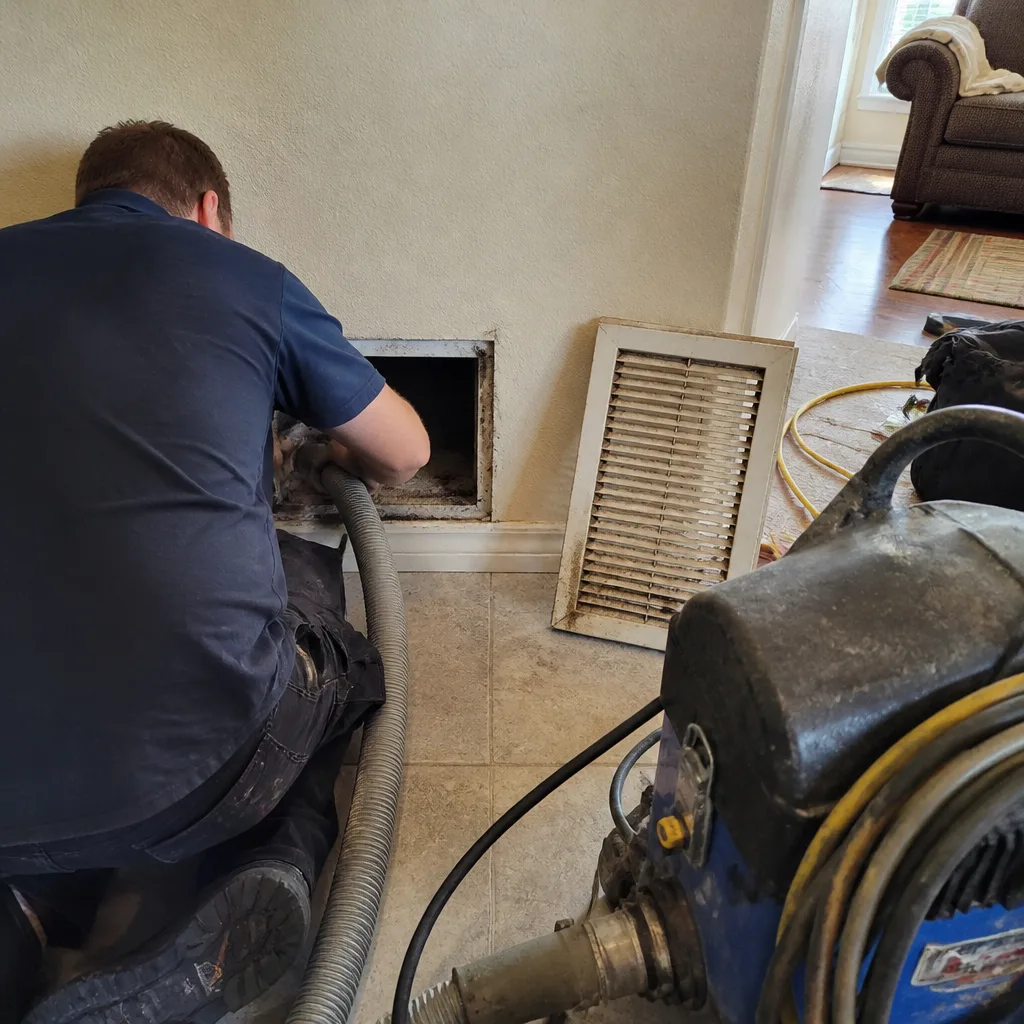 Before
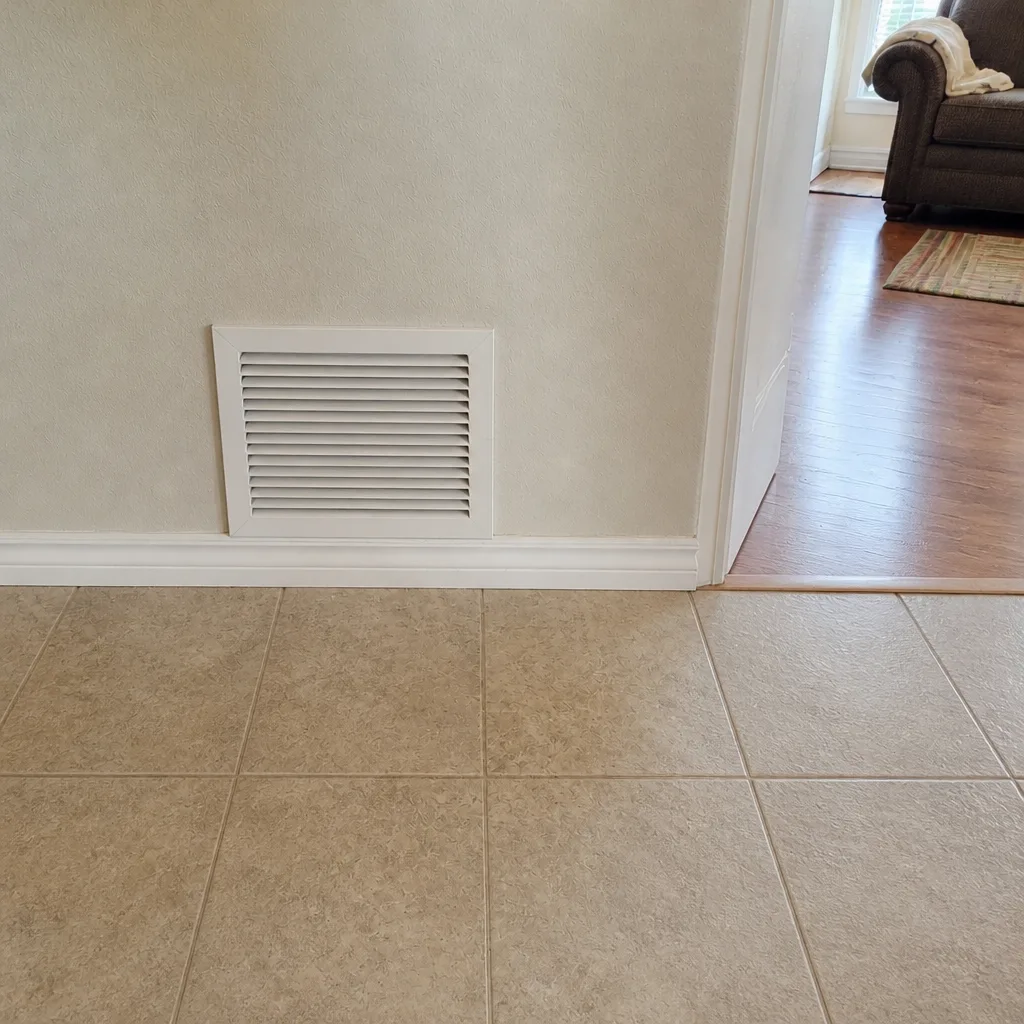 After
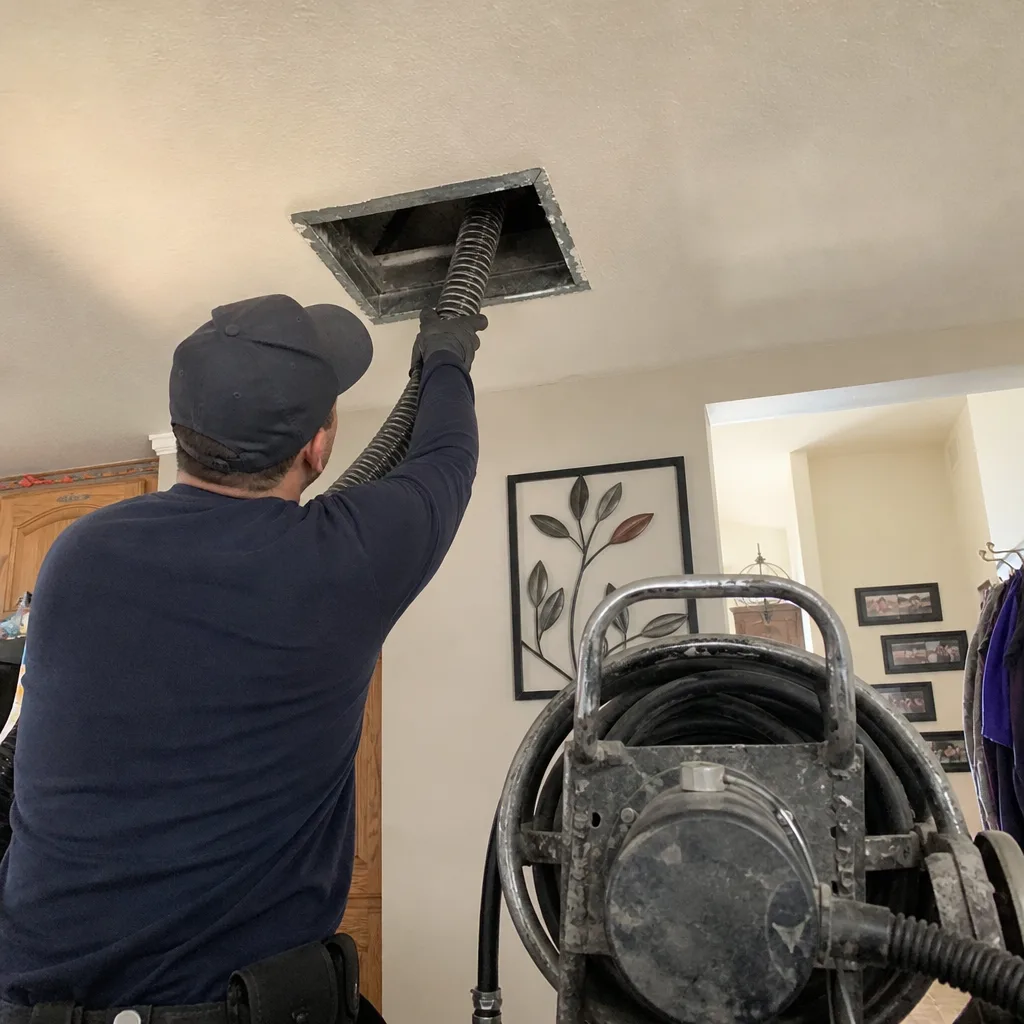 Before
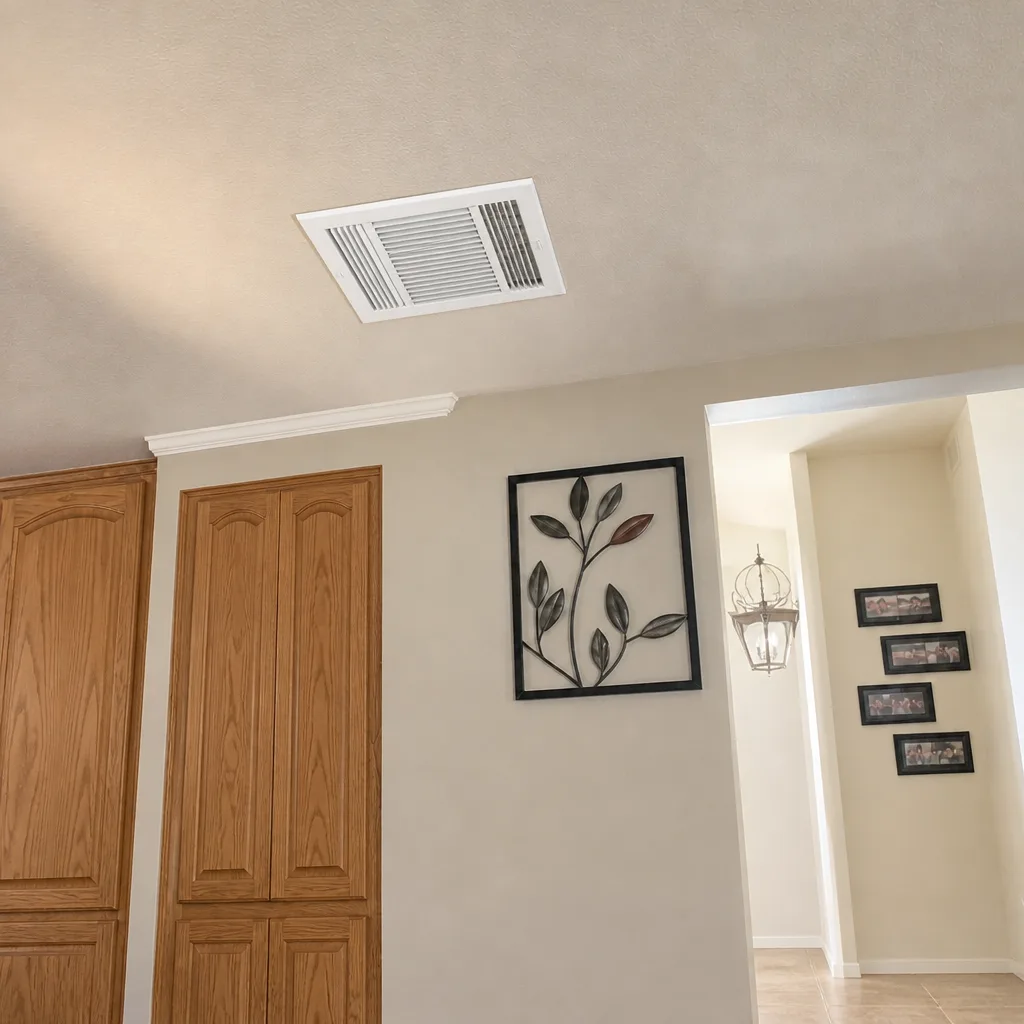 After
When to Call a Professional
Routine duct cleaning is a scheduled job, but some situations call for it now rather than later. A recent renovation or drywall project pushes fine dust through every return; post-fire conditions call for contamination-level work; visible dust blowing from supply registers, a musty smell when the system runs, or a dryer that feels hotter than it used to all justify a call. Whole-home filtration owners running Honeywell or Aprilaire systems should schedule cleaning when the filter’s efficiency starts dropping, since duct condition affects how well the filtration system performs. If you’ve noticed any of these signs, the right next step is a scope conversation, not a coupon. Boulder Duct Cleaning offers free estimates in Boulder. Call (877) 550-7147. We answer 24/7. Fast dispatch from 7am to 7pm, Sunday through Friday.
Frequently Asked Questions
Most Boulder single-family homes fall between $400 and $900 for a whole-system cleaning in 2026, with larger or older homes reaching $1,200 or more. The written estimate sets the final price. Call (877) 550-7147 for an exact quote, and the estimate is free.
Cheap quotes typically reflect a different product: portable equipment, partial scope, and no verification photos. A $299 whole-home quote can’t pay for a professional negative-air rig and the hours a proper job takes. If a quote is dramatically below the others, ask exactly what equipment and coverage it includes. Call (877) 550-7147 and we’ll walk you through what a whole-system quote should contain.
Before-and-after photos of your own ducts are the simplest proof. Ask any contractor you’re considering to show you photos of the same run from the same angle, before and after. If they can’t, you have no way to verify the work. Call (877) 550-7147 and we’ll explain our documentation process before you book.
Every few years is typical for most homes, sooner after a renovation, a water intrusion, or a fire. Homes with pets, allergy concerns, or a recent drywall project often benefit from more frequent cleaning. There’s no universal rule; it depends on what the ducts are carrying. Call (877) 550-7147 if you’d like to talk through your specific situation.
Yes, because the dryer vent is a separate system. Expect roughly $100 to $200 for a proper dryer vent cleaning in Boulder, treating it as the fire-safety service it is rather than an add-on. Call (877) 550-7147 to schedule both in one visit, and the estimate will itemize each separately.
A UV light can be worth it if you understand what it’s meant to do; installation is electrical work and priced separately. Antimicrobial fogging is only justified when there’s a documented contamination finding, shown on camera, before treatment. Without evidence, it’s an upsell. Call (877) 550-7147 and we’ll tell you plainly whether either applies to your home.
The Bottom Line
The price you see on a duct cleaning quote in Boulder tells you more about the contractor’s business model than about the amount of dust in your ducts. A properly equipped whole-system cleaning runs $400 to $900 for a typical home and higher for older galvanized systems, two-stories with basements, or post-fire work. The cheapest quotes almost always skip equipment class, verification, or scope, and the add-ons that matter (dryer vent cleaning, coil cleaning, documented treatment) cost what they cost. Ask for a written, itemized, flat-rate estimate with before-and-after photos. Then compare.
Contact
Ready to see what a whole-system estimate looks like on your Boulder home? Call Boulder Duct Cleaning at (877) 550-7147 for a free estimate. We answer 24/7. Fast dispatch from 7am to 7pm, Sunday through Friday. Our technicians have up to 9 years of experience, and we arrive with Rotobrush contact-cleaning equipment and Nikro negative-air and HEPA machines, not a consumer vacuum. Ask us about air duct cleaning, dryer vent cleaning, and air duct repair in one visit. Guardsman protective treatments are available as part of the full-service scope. Call today and we’ll walk you through exactly what your estimate covers.
Written by the team at Boulder Duct Cleaning.