
Last updated November 15, 2026
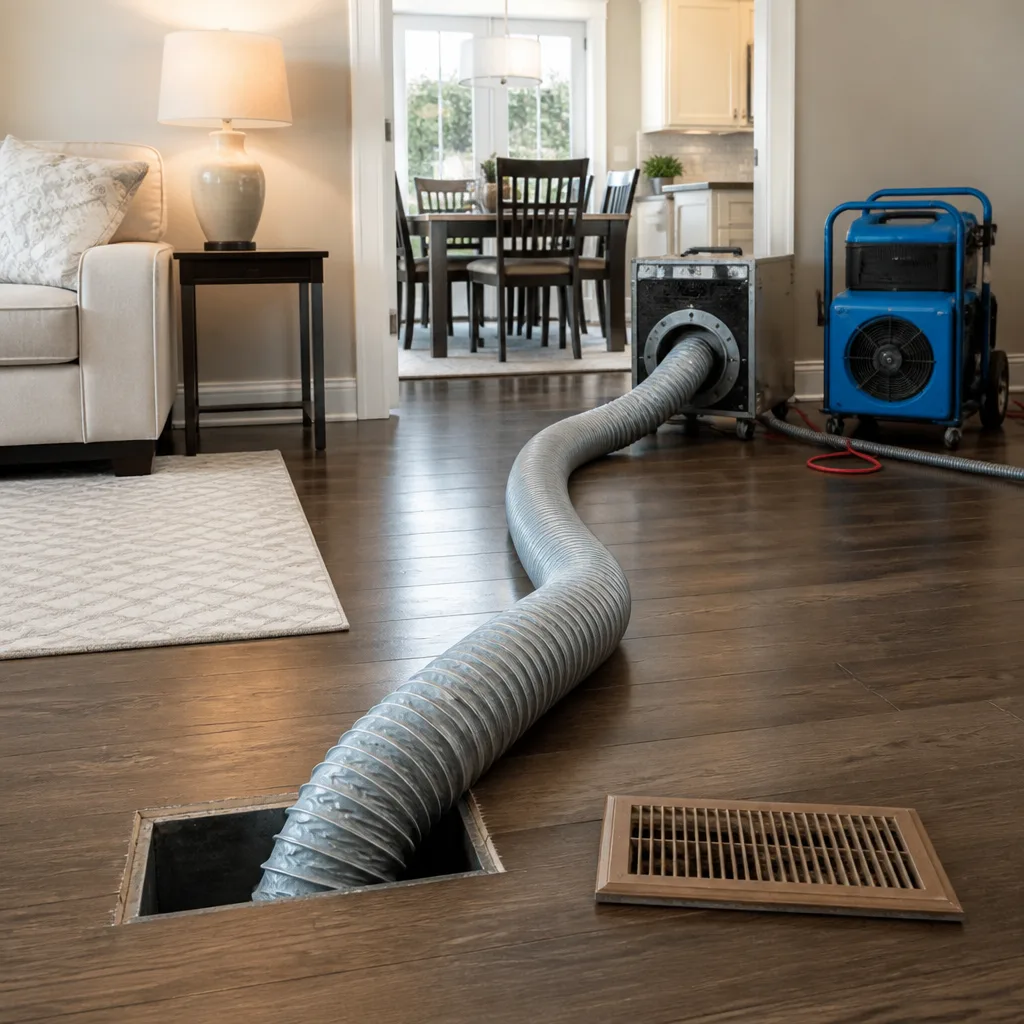 Whole-home duct cleaning
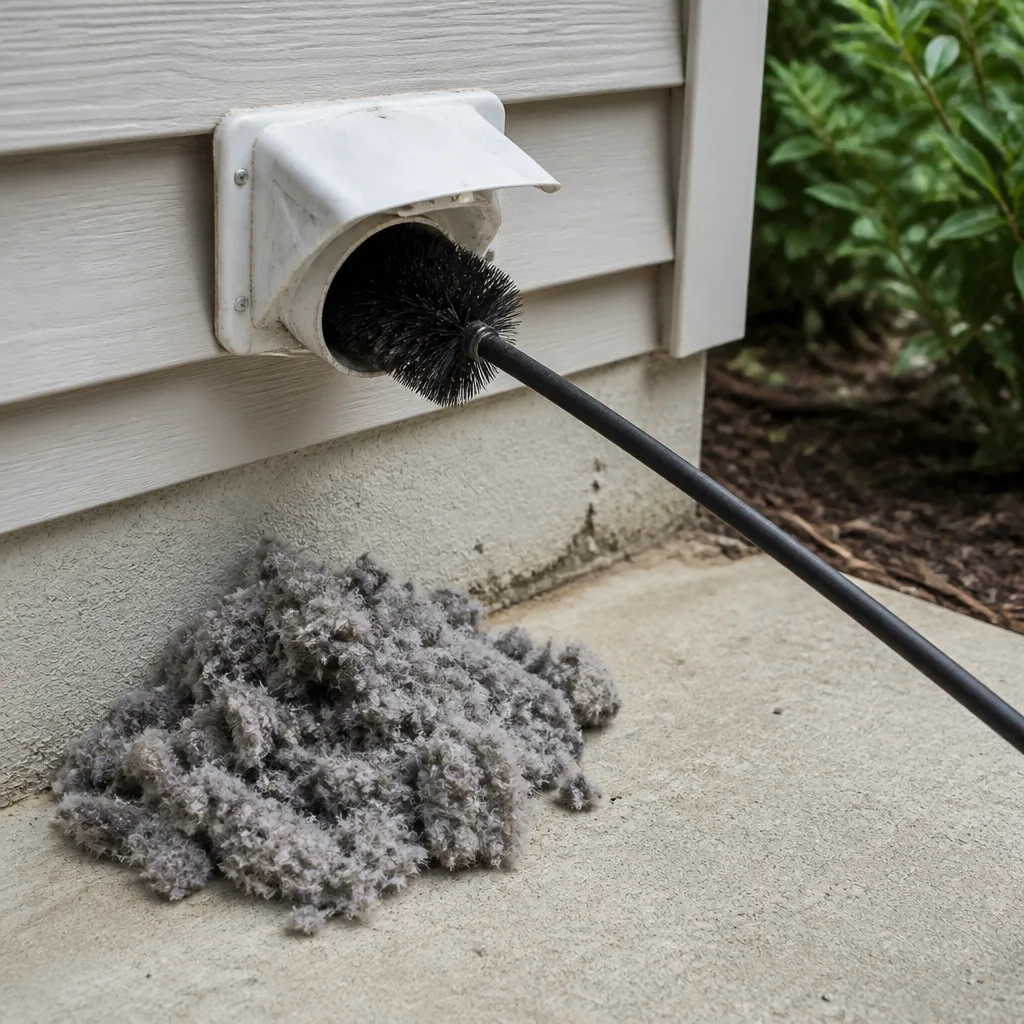 Dryer vent cleaning
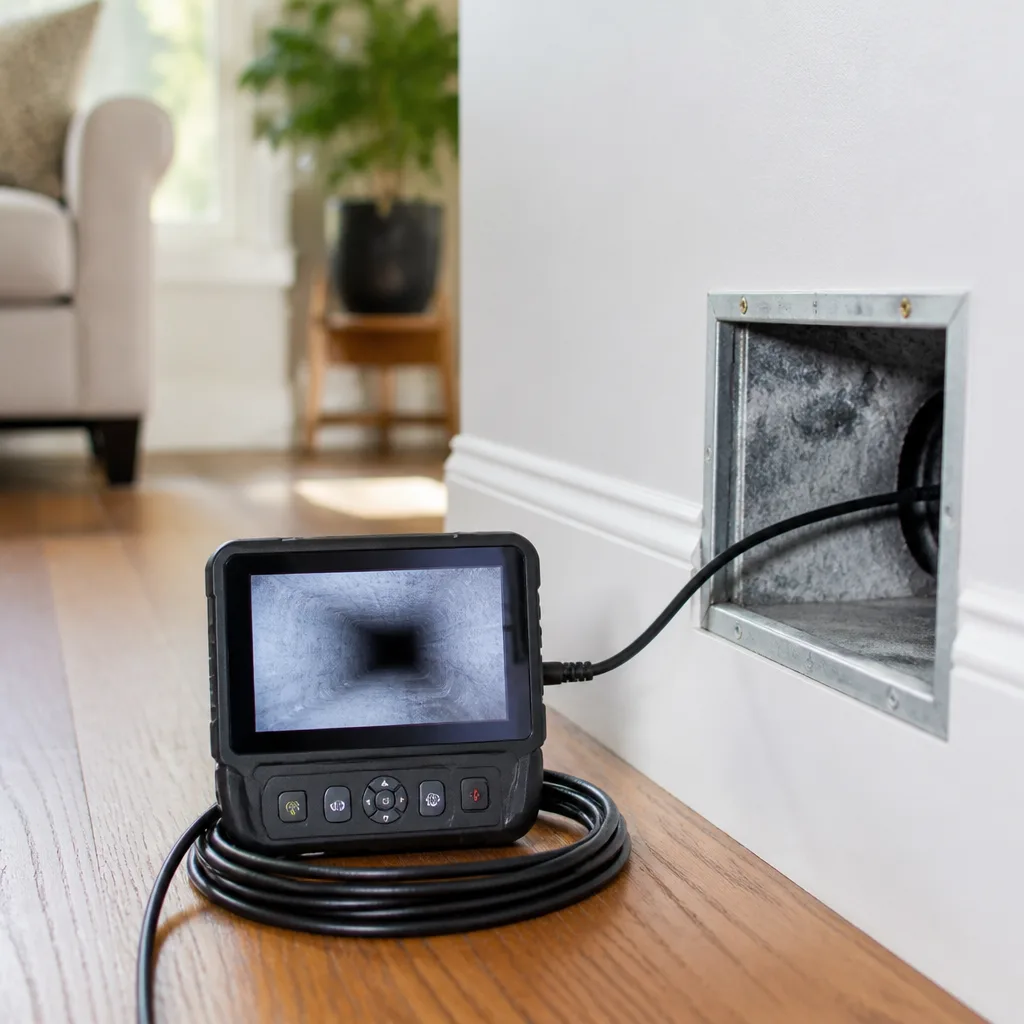 Camera inspection
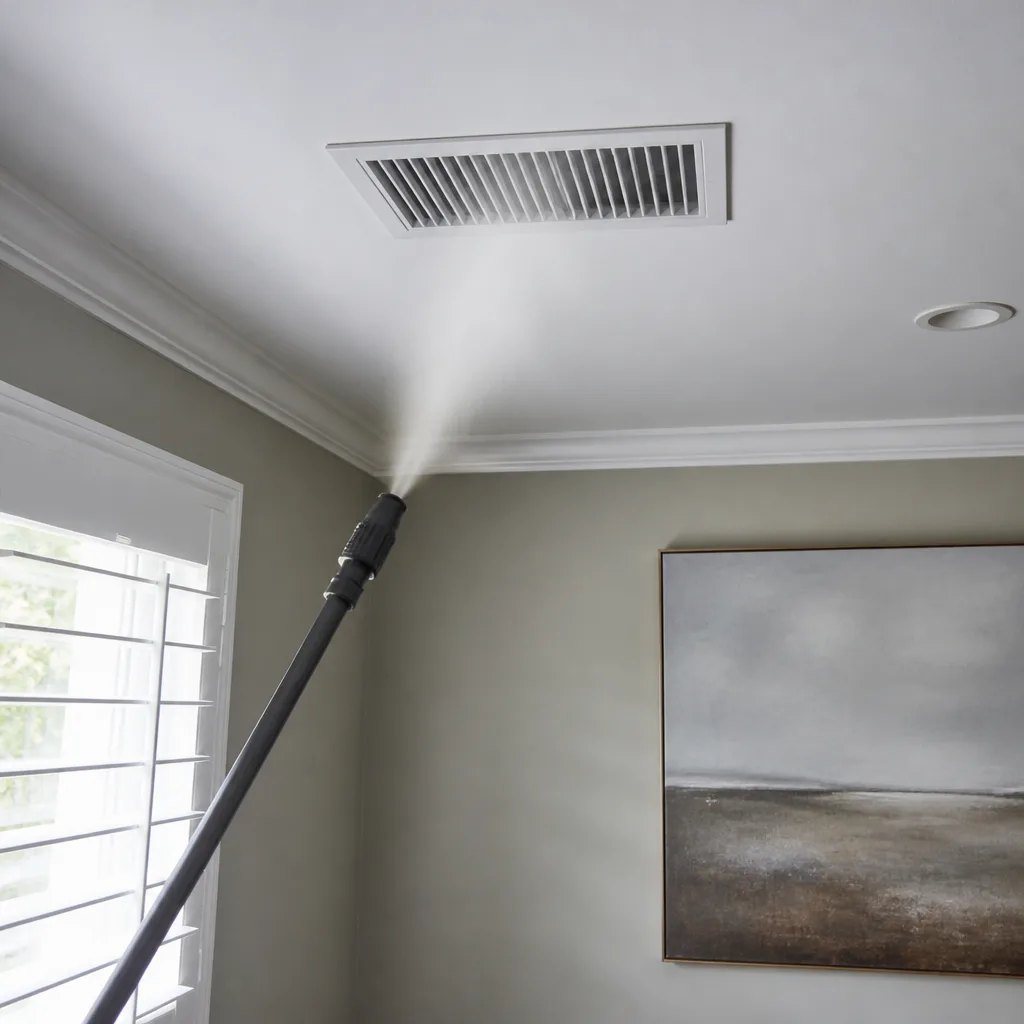 Sanitizing & deodorizing
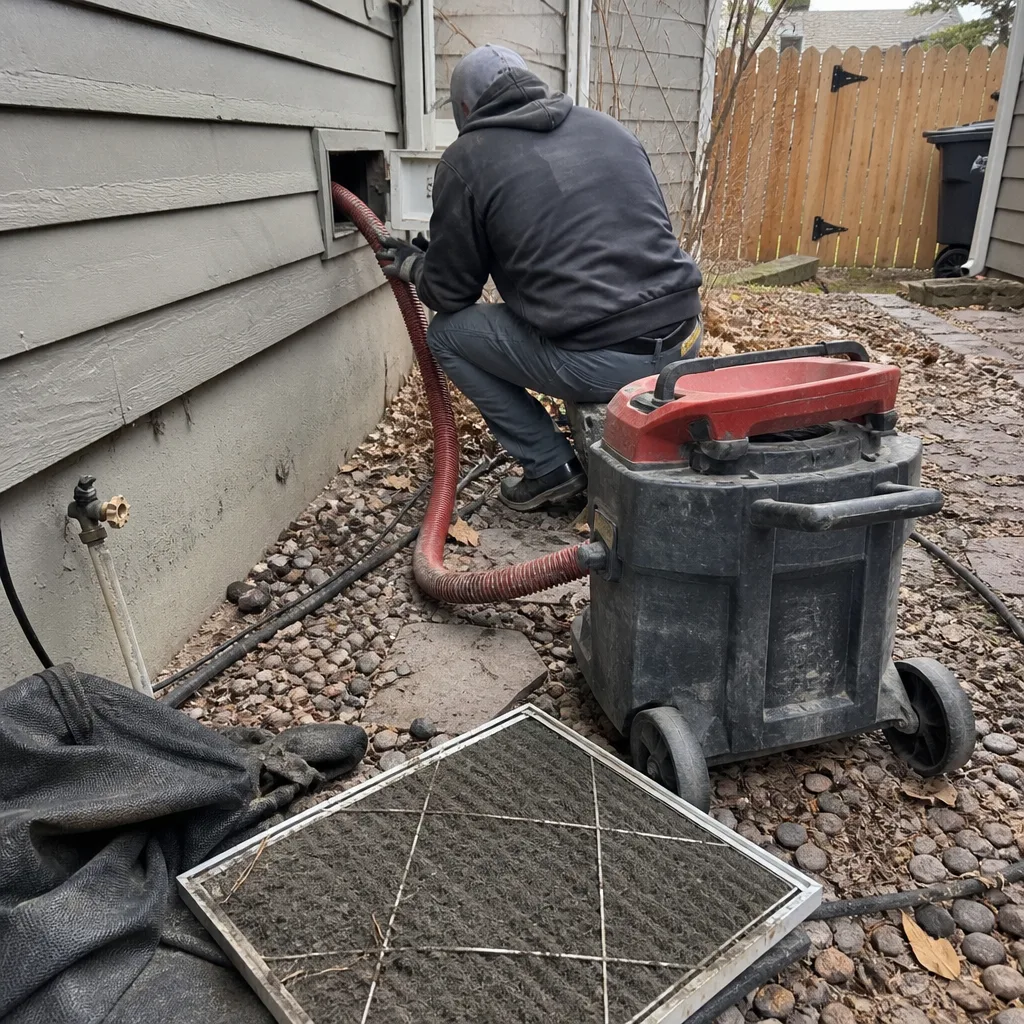
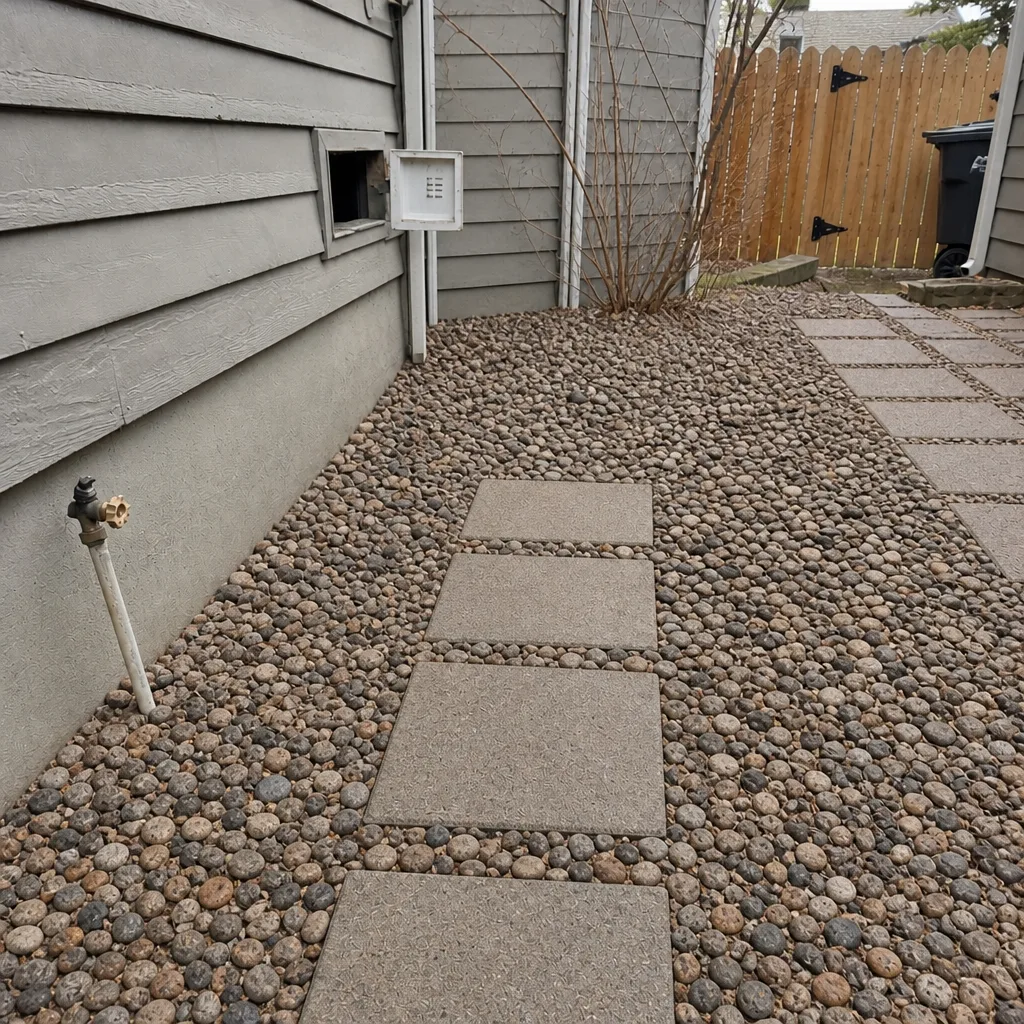
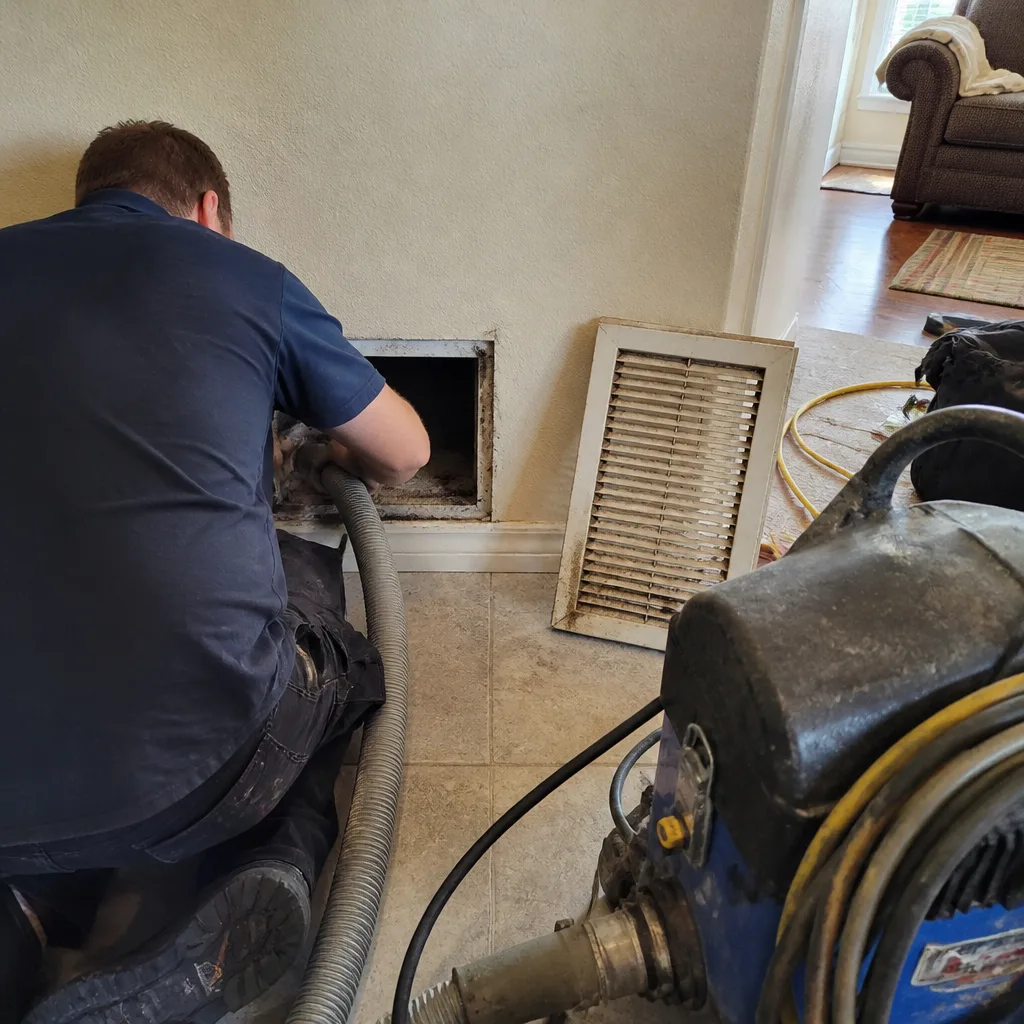
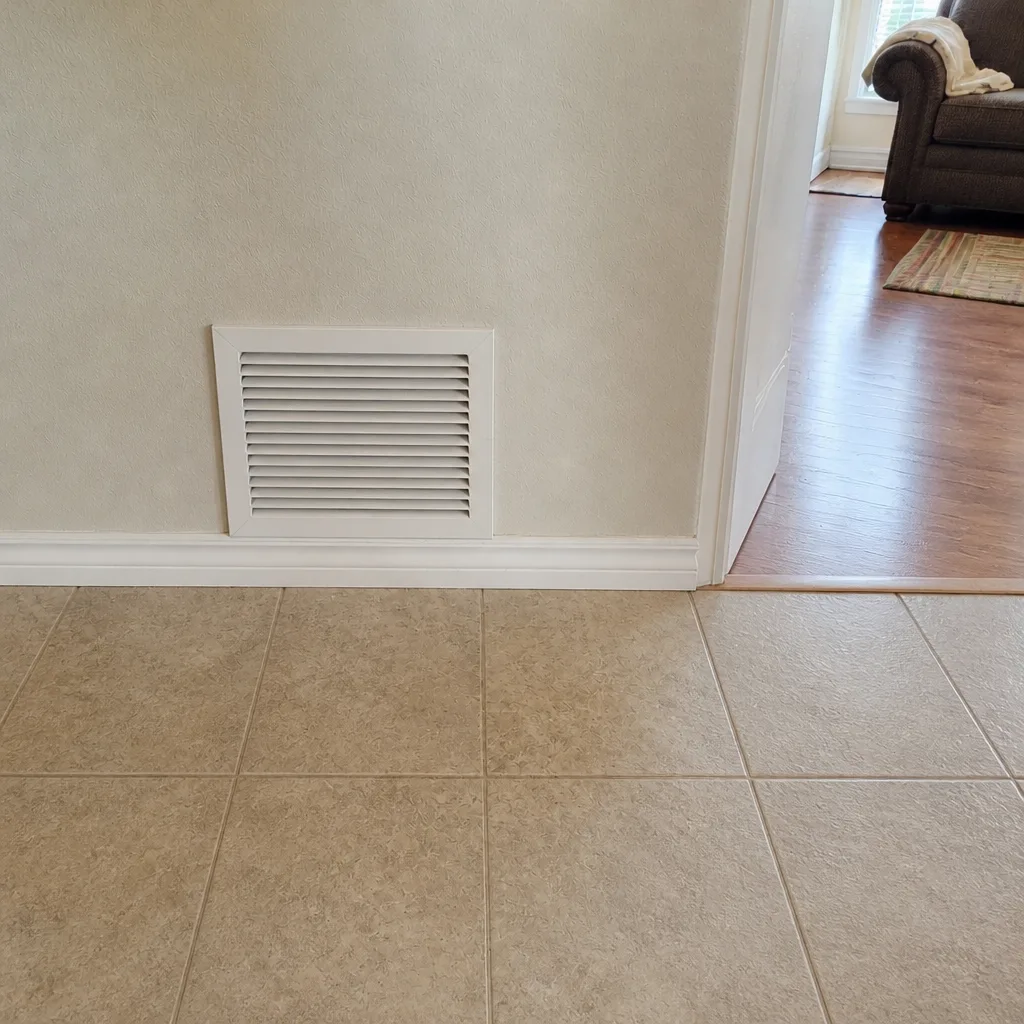
Whole-system duct and dryer vent check with before-and-after photos - you see exactly what came out of your vents
That "$99 whole-house special" is a bait ad - the real number appears once they are in your hallway, or the "clean" is a shop-vac at the register. We photograph the inside of your ducts before and after instead.
Choosing the Right Air Duct Cleaning Brand: A Buyer’s Guide for Boulder
When you hire a duct cleaning company, you’re really hiring the equipment they own. That’s the part almost nobody talks about. Two contractors can hand you the same written proposal, show up in similar vans, and quote similar prices, but one arrives with a Rotobrush contact-cleaning system and a Nikro negative-air machine and the other shows up with a shop vac and a garden hose. The difference in what actually happens inside your ducts is enormous, and you can’t see it from the outside. This guide explains what the major equipment platforms actually do, how to ask about them, and what answers separate a professional operation from a startup with consumer-adjacent tools. We’ll keep it grounded in what Boulder homes actually look like.
Quick Answer
The “brand” that matters in duct cleaning is the equipment manufacturer, not the company logo on the van. A contractor running Rotobrush contact-cleaning gear with Nikro or Abatement Technologies negative-air and HEPA equipment is operating in a different performance category than one using portable consumer-style vacuums. Ask what specific brand and model they use, whether they hold NADCA certification, and whether they can repair damaged ductwork rather than only clean around it.
Styles & brands we work with
- Whole-home duct cleaning
- Dryer vent cleaning
- Camera inspection
- Sanitizing & deodorizing
Table of Contents
- The Three Main Duct Cleaning Equipment Approaches
- Why Truck-Mounted Negative Pressure Has a Performance Ceiling
- How to Ask a Contractor What Equipment They Use
- NADCA Certification vs. Equipment Brand: Which Matters More?
- Boulder-Specific Equipment Considerations
- Contamination-Level Jobs and Why Abatement Matters
- Cleaning vs. Repair: The Capability That Separates Contractors
- How to Spot a Startup With Consumer-Adjacent Tools
The Three Main Duct Cleaning Equipment Approaches
Almost every duct cleaning operation in Boulder falls into one of three equipment categories. Understanding what each one is actually built for tells you a lot about which jobs they’re suited to and which they aren’t. None of them is fake. They’re just designed for different scales of work, and a contractor selling one approach as if it does everything is telling you something.
1. Contact Vacuum Systems (Rotobrush-style)
Contact cleaning uses a rotating brush head attached to a powerful HEPA vacuum hose. The brush physically agitates the interior surface of the duct while the vacuum pulls loosened debris out through the same hose. Rotobrush is the most recognized name here, and the reason restoration contractors use it is simple: it reaches surfaces that air-only methods can’t. It’s especially effective on the standard sheet-metal and flex duct runs common in Boulder homes built from the 1950s through the 1990s. Contact cleaning doesn’t touch supply trunk lines as aggressively as a full negative-pressure setup, but for branch runs and the return side, it’s genuinely excellent. Our team uses Rotobrush contact-cleaning on every job.
2. Source Removal With Negative Pressure (NADCA-Standard)
This is the approach the National Air Duct Cleaners Association (NADCA) has long described as the industry standard for whole-system cleaning. The idea: put the entire duct system under continuous negative pressure using a large vacuum connected at one end (typically a truck-mount or a high-CFM portable unit), then agitate every branch from the inside with air whips, skipper balls, or brushes. Contaminants get pulled toward the vacuum instead of blown into your living space. When executed well, source removal with proper negative pressure is the most thorough method available for a whole home. The catch is that “proper negative pressure” varies enormously by equipment. A small portable unit can’t hold a large Boulder home under meaningful negative pressure through 200 feet of ductwork. More on that in the next section.
3. Air Sweep and Skipper Ball Cleaning
Compressed-air-driven devices – whips, skipper balls, and forward air jets – agitate duct interiors using air alone. They work best as part of a negative-pressure system, not as a standalone approach. A contractor using only an air sweep without meaningful vacuum on the other end is essentially pushing dust around inside your ductwork and hoping it exits at the register. If someone offers air-sweep cleaning in a Boulder home with no negative-pressure unit attached, ask how the debris actually leaves the system. If they can’t explain it clearly, that’s your answer.
Why Truck-Mounted Negative Pressure Has a Performance Ceiling
Truck-mounted vacuums are often marketed as the gold standard, and for many homes they are. But they have a real performance ceiling that portable units can’t overcome either, and understanding both sides matters if you’re in a large Boulder home with long duct runs.
The key number is CFM – cubic feet per minute. It measures how much air the vacuum moves through the system. A large truck-mount can pull on the order of several thousand CFM. A high-end portable negative-air unit might move a fraction of that. That direct difference is why a truck-mount generally holds a whole house under better negative pressure than a portable machine can.
But here’s where the ceiling comes in. In a large Boulder home with long duct runs, or with multiple zones, or with a system where the trunk line is difficult to access, the vacuum can only pull what the airflow allows. If a truck-mount connects to a system with 200 feet of ductwork and several 90-degree turns, the pressure at the far end of the run is nothing like the pressure at the connection point. This is where experienced technicians compensate with strategy: they stage the cleaning so each section is agitated while the vacuum is closest to it, they use auxiliary portable vacuums to supplement pressure in far branches, and they seal off unused branches to concentrate the airflow. A truck-mount with a technician who understands this will always outperform a bigger vacuum with a technician who doesn’t. A truck-mount with no plan for long runs is just a big machine airing out your crawlspace.
Understanding the ceiling means asking better questions: What’s your CFM rating? How do you handle long duct runs? Do you use auxiliary vacuums for distant branches? Those questions get real answers from a serious operator and vague answers from everyone else.
How to Ask a Contractor What Equipment They Use
This is the most useful skill in this guide. A short, friendly question sequence will tell you more about a Boulder duct cleaning company in five minutes than any website review can. Here’s a numbered version you can take to the phone.
- Ask for the brand and model of the primary cleaning equipment. Not “professional equipment.” Not “state-of-the-art machinery.” Rotobrush aiR+ or Rotobrush RPS. Nikro negative-air unit. Abatement Technologies HepaVac. If they can’t name a brand and model, they don’t have a serious one.
- Ask what kind of vacuum they use on the return side. A decent answer mentions negative pressure, HEPA filtration, or a specific unit. A weak answer is “we’ve got a really powerful vacuum.”
- Ask how they handle the last branch on a long run. This separates technicians who think about airflow from drivers who hold a hose.
- Ask what they do if they find damaged ductwork. A clean-only operation will say “we note it and refer you” or worse, “we don’t handle that.” A contractor who also does air duct cleaning as a full scope will tell you they can repair it or bring in the right people.
- Ask for a description of the process, in order. A good answer is sequential and specific: pre-inspection, sealing off registers, negative pressure setup, agitation of each run, final HEPA pass. A vague answer is a red flag.
- Ask whether they can send before-and-after photos of your ducts. Any serious operation can. It’s also the honest answer to “how do I know the work got done?”
If a contractor gets defensive or vague at step one, you’ve learned what you needed to learn without spending a dollar. The best contractors welcome these questions because the answers are their real differentiator.
NADCA Certification vs. Equipment Brand: Which Matters More?
A certified technician with mid-tier equipment will generally outperform an uncertified technician with premium equipment. That’s the honest answer, and it’s the one a real duct cleaning professional will give you. Hardware and knowledge interact, but knowledge wins on ties.
Here’s why. The equipment does the physical work, but the technician decides the sequence, the vacuum placement, the seal-off strategy, the brush selection, and when a run needs more than one pass. Those decisions determine whether the equipment operates at 60 percent of its capability or 95 percent. A NADCA-certified technician has gone through formal training on the source-removal standard and usually has a working understanding of HVAC systems, not just duct cleaning, which means they can identify when a ducted system has a problem that cleaning won’t fix.
The equipment brand still matters, because a skilled technician with a consumer vacuum can only do so much. Specifically:
- Certification sets the floor. It tells you the technician knows the standard and has pursued it deliberately.
- Equipment brand sets the ceiling. It tells you how far their knowledge can actually go on your specific home.
- Both together = a capable operation. A certified or well-trained technician running Rotobrush contact-cleaning and Nikro negative-air equipment, with Abatement Technologies gear available for heavier contamination, can address a wider range of household situations than either attribute alone.
If you have to choose between two Boulder companies and one is certified with decent equipment while the other is uncertified with great equipment, hire the certified one. If both are certified, ask about equipment brands to break the tie.
Boulder-Specific Equipment Considerations
Boulder’s housing stock is more varied than most cities its size, and that variance matters for what equipment a contractor should be able to bring. A company equipped only for standard forced-air ductwork may not be set up for some of what Boulder’s homes actually contain.
Radiant Heat and No Forced Air
A meaningful share of Boulder homes – particularly older homes near Mapleton Hill, Whittier, and lower Chautauqua – were built with radiant heat, baseboard hydronic, or radiant slab, with no forced-air system at all. In those homes, there’s no duct system to clean in the conventional sense. But there are still IAQ services that matter: heat recovery ventilators (HRVs) and energy recovery ventilators (ERVs), which pull outdoor air in through their own duct runs and cores, and mini-split cassette coils, which accumulate dust and biological growth if they aren’t cleaned. A duct cleaning company that only owns a Rotobrush and a truck-mount and has no capacity to clean an HRV core or a mini-split isn’t the right contractor for these homes. Not because the company is bad, but because the equipment is mismatched to the job. Ask.
Older Ductwork and Asbestos-Adjacent Systems
Some Boulder homes from the mid-20th century have ductwork with wrapped insulation or sealants that may contain materials that need special handling. A contractor equipped only for routine cleaning and one equipped with proper HEPA control – Abatement Technologies gear, for example – will approach these differently. If a contractor can’t discuss this without hand-waving, that’s a professionalism issue.
Long Duct Runs in Foothill Homes
Homes up the foothills, especially around Pine Brook Hills or Sunshine Canyon, often have longer-than-average duct runs to reach distant rooms. That’s exactly where negative-pressure CFM ratings matter most. A high-CFM setup with a technician who knows how to stage the work will outperform a smaller portable unit every time on these homes.
Renovation and Wildfire-Smoke Fine Particulates
Boulder’s wildfire season and the renovation dust that follows a kitchen or bathroom remodel kick up fine particulates that a routine vacuum won’t fully capture. HEPA-grade negative-air equipment is what you want here. Ask whether the company runs true HEPA filtration and whether they carry a HEPA negative-air machine for post-renovation cleanup.
Whole-Home Filtration Systems
Some Boulder homes were built with or later added a whole-home air filtration system – Honeywell and Aprilaire are the two most common. These systems integrate with the ductwork and need service from a contractor familiar with them. Cleaning the ducts while ignoring the media cabinet, filter rack, or filter integrity of a Honeywell or Aprilaire system leaves you with clean ducts and dirty media downstream. Ask whether the contractor actually works with these systems or just cleans around them.
Contamination-Level Jobs and Why Abatement Matters
Routine duct cleaning handles dust, debris, pet hair, and the ordinary accumulation of a well-used home. Contamination-level jobs are a different category. Mold spores in supply plenums or ducts after a water intrusion, fine particulates after a fire or renovation, rodent contamination, or visible biological growth inside the system – these need equipment and protocols designed for containment, not just cleaning.
Abatement Technologies builds HEPA negative-air units used routinely by restoration contractors for mold remediation. Having that class of equipment available signals a company prepared for the situation where the ducts are the source of a problem, not just dusty. If you suspect biological contamination or have had a water loss affect your HVAC system, ask specifically: Do you carry a HEPA negative-air unit? Do you use containment barriers? What’s your process for verifying the cleanup worked at the end? A company equipped only for routine cleaning may not be the right call for these situations.
Guardsman-brand protective treatments are also relevant here. Some systems, after cleaning and any necessary repair, benefit from a protective treatment applied inside the ductwork to help limit regrowth or recontamination. It’s not a substitute for cleaning, and no honest contractor will sell it as one. But if it’s part of the scope, you want it applied by someone trained on the system.
Cleaning vs. Repair: The Capability That Separates Contractors
Cleaning is what most duct cleaning companies do. Repair is what very few actually can. This is where the scope of your project might end up depending on which contractor you hired, and it’s worth asking up front.
Damaged ductwork is common in Boulder homes, especially in older structures. The damage usually falls into a few categories:
- Disconnected or crushed flex duct in the attic or crawlspace
- Seams that have separated over decades of thermal cycling
- Runs that were improperly sized or poorly sealed when installed
- Duct sections degraded by moisture, pest activity, or physical damage
- Transition points at plenums and registers where tape has failed
A clean-only contractor cleaning around a crushed flex run is leaving the problem in place. That run will keep leaking air into your crawlspace, depressurizing the system and drawing unconditioned air back into the living space. The “cleaned” duct system still won’t work right. A contractor like Boulder Duct Cleaning, which offers air duct repair as a dedicated service alongside cleaning, will identify the problem during the pre-inspection and give you a written scope covering both: what gets cleaned and what gets repaired. You get one estimate, one plan, and one outcome where the system actually works. Ask any Boulder company you interview: if you find a damaged run during cleaning, what happens next? A clean answer means a real capability; a vague one means you’re cleaning a system that’s still broken when they leave.
How to Spot a Startup With Consumer-Adjacent Tools
Every contractor starts somewhere, but you don’t have to be the learning curve. These are the specific signals that suggest the operation is smaller than the marketing:
- They won’t name equipment brands. “Professional-quality equipment” with no brand is a tell. Real operators say “Rotobrush” or “Nikro” without hesitating.
- The van has no equipment tunnel. A real negative-pressure operation shows up in a vehicle that has room for the vacuum. A van loaded with a portable HEPA unit and a shop vac is not the same class.
- They don’t offer repair. A cleaning-only operation is a limited one. Not disqualifying, but worth knowing before they find a problem they can’t fix.
- They quote a per-vent price. Whole-system pricing based on an inspection is standard. A per-vent figure is a way to make the invoice match the ad regardless of what the ducts actually need.
- They can’t produce before-and-after photos. Any serious operator photographs the work. It’s the single simplest answer to “how do I know this actually happened?”
- They treat dryer vent cleaning as a cheap add-on. A serious contractor treats dryer vent cleaning as a separate fire-safety service with its own equipment, not a $49 bump to the duct invoice.
- No clear scope in writing. A written estimate, agreed before work starts, is the standard. Verbal-only quotes with a price quoted over the phone are how the industry earned its reputation.
Common Mistakes to Avoid
- Comparing logos instead of equipment. Duct cleaning companies in Boulder are more similar in marketing than in capability. Compare the equipment brands they use, not the van wrap or the website design.
- Letting the cheapest quote set the price. A low number on the phone is often a teaser. The written estimate – whole system, agreed scope, before work starts – is the number that actually matters.
- Skipping the repair question. Cleaning a system with crushed or disconnected ducts fixes nothing. Ask up front whether they can repair what they find.
- Assuming radiant heat means no IAQ service. Boulder homes with radiant slab and no forced air still have HRV, ERV, and mini-split systems that accumulate dust and need periodic cleaning. They just need a contractor equipped for that work.
- Treating dryer vents as an upsell. The dryer vent is a fire-hazard system, not a convenience item. Cleaning it properly means removing lint from the full run, verifying airflow, and replacing what needs replacing – not a quick brush pass.
- Accepting a contractor who won’t discuss equipment. A professional operation is proud of the tools they use. A vague answer is your signal to move on.
- Hiring without asking about HEPA. Especially after a renovation or a wildfire season with fine particulate accumulation, ask whether they run true HEPA filtration. It’s the difference between cleaning and filtering.
See the difference
 Before
 After
 Before
 After
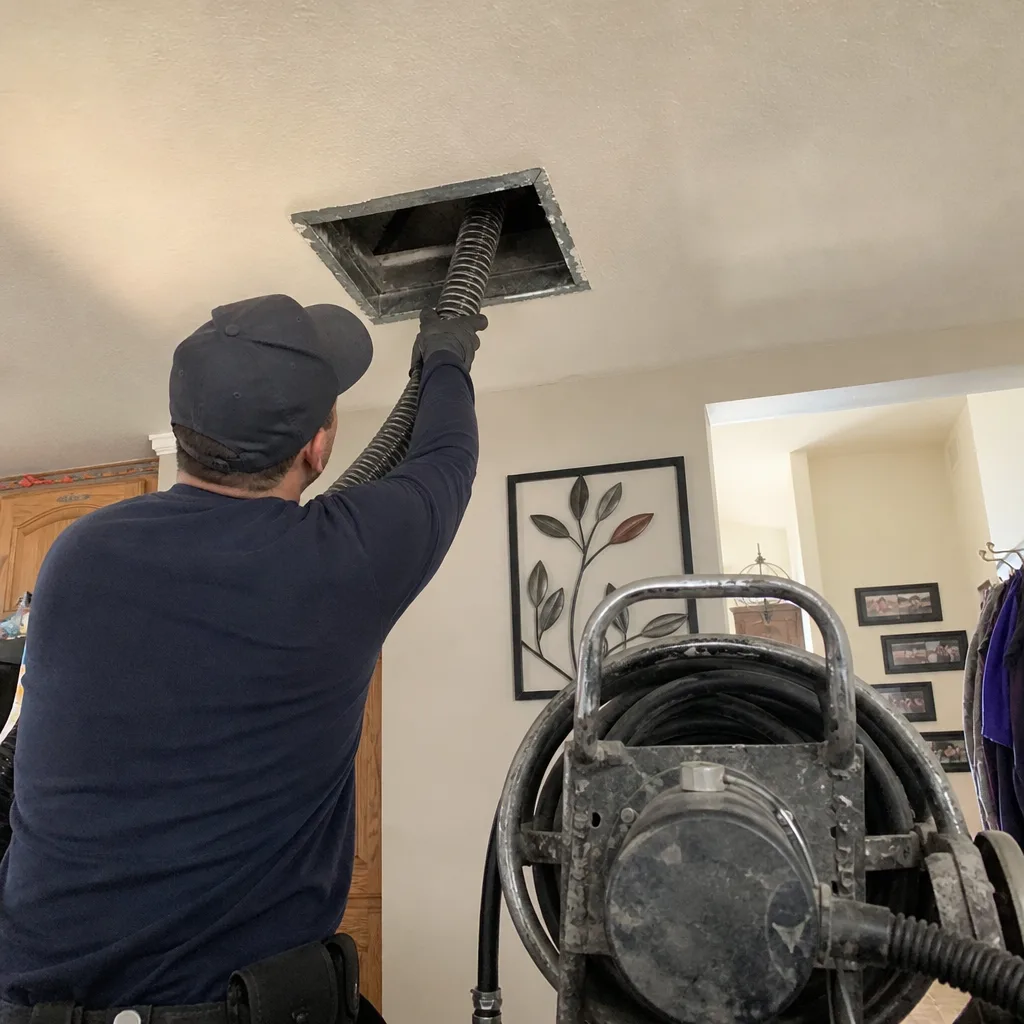 Before
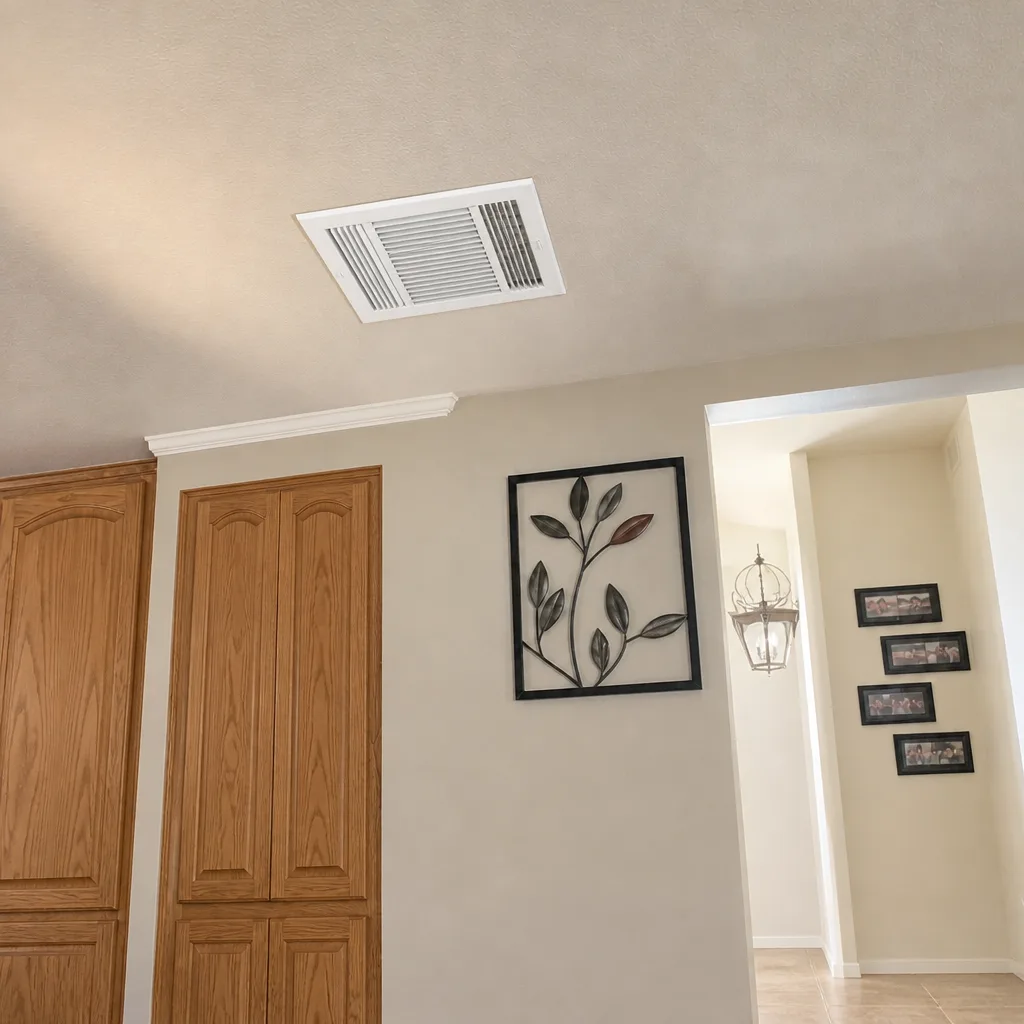 After
When to Call a Professional
Duct cleaning isn’t something you need on a schedule – it’s triggered by something. Call a professional when you’ve just finished a renovation and the supply registers are coated with drywall dust. Call after visible mold appears near supply or return registers, or after a water intrusion has affected your HVAC system. Call if a family member with allergies or asthma reports symptoms that seem worse indoors. Call if the home is new to you and you don’t know the service history of the ducts. Call when the dryer takes two cycles to dry a load, feels hot to the touch on the outside, or the vent flap doesn’t fully open – that’s a fire-safety call, not a convenience one. And call if you suspect a run is crushed or disconnected, whether or not the system seems to heat and cool normally. Boulder Duct Cleaning offers free estimates in Boulder: we answer 24/7, fast dispatch is available from 7am to 7pm, Sunday through Friday, and we’re closed Saturday.
Frequently Asked Questions
In duct cleaning, “brand” usually refers to the equipment manufacturer, not the company logo. The brand on the equipment determines what the cleaning method can actually do – a Rotobrush contact-cleaning system reaches surfaces that air-only methods can’t, and Nikro and Abatement Technologies negative-air and HEPA units are a different performance class than portable consumer vacuums. Call (877) 550-7147 for a free estimate.
The best way is to ask specific questions about equipment and process, not to rely on review counts alone. Ask for the brand and model of the primary cleaning equipment, whether they use true HEPA filtration and negative pressure, whether they offer repair alongside cleaning, and whether they can send before-and-after photos of your ducts. A contractor who answers all four confidently is a serious candidate. If the answer to any of these is vague, move on.
It really matters. A Rotobrush contact-cleaning system with a proper negative-air setup reaches duct surfaces and holds containment in a way that a consumer vacuum passed off as professional equipment can’t. But equipment brand is only half the story. A certified, well-trained technician with mid-tier equipment will generally outperform an uncertified technician with premium equipment. Ask about both.
Cleaning removes dust, debris, and contamination from the inside of the ducts. Repair fixes structural problems – crushed runs, disconnected flex duct, separated seams, failed transitions – that cleaning alone doesn’t address. A system with a damaged run will still lose efficiency and pull unconditioned air into the living space even after a thorough cleaning. If a contractor offers only cleaning, ask how they handle damage they find.
Yes, if you have a heat recovery ventilator, energy recovery ventilator, or mini-split cassette system. Those units accumulate dust and biological growth in their own duct runs and coils and need periodic cleaning even though there’s no forced-air duct system. Contractors equipped only for standard ducted system cleaning may not be the right fit for these homes, so ask up front whether they can clean HRVs, ERVs, or mini-split cassettes.
It’s a fire-safety service, not a convenience add-on. Lint accumulation in the dryer vent extends drying times, stresses the dryer, and creates a fire hazard in the exhaust path. A proper dryer vent cleaning removes lint from the full run, verifies airflow at the exterior, and replaces any damaged vent components. It uses its own process and equipment, and it belongs in the same conversation as the duct work, not bolted onto it as a cheap line item. Call (877) 550-7147 for an estimate and we’ll explain what a proper full-run cleaning actually involves.
The Bottom Line
The best air duct cleaning company in Boulder is the one whose equipment matches the job and whose technician can explain why. Rotobrush contact-cleaning and Nikro negative-air equipment are the tools that separate a serious operator from a portable unit with a marketing budget. Abatement Technologies HEPA gear tells you the operation is prepared for jobs beyond routine dust. Air duct repair as a dedicated service tells you cleaning won’t stop at what can’t be reached. Guardsman treatments tell you the scope extends to the details after the cleaning. Ask about all of it. A company that answers well is the one you hire, and if you’re ready to ask now, talk to the team at Boulder Duct Cleaning.
Contact Us
If you’ve read this guide and want to see exactly what we use and why, we’re happy to walk you through it. Call Boulder Duct Cleaning at (877) 550-7147 for a free estimate on air duct cleaning, dryer vent cleaning, or air duct repair in Boulder. We answer 24/7. Fast dispatch from 7am to 7pm, Sunday through Friday, and we’re closed Saturday. Our technicians have up to 9 years of experience, and every estimate is written, per system, agreed before any work starts. Before-and-after photos of your ducts come standard on every job. If you’re learning about indoor air quality for the first time, start with the Boulder Duct Cleaning home page.
Written by the team at Boulder Duct Cleaning.