
Last updated November 15, 2026
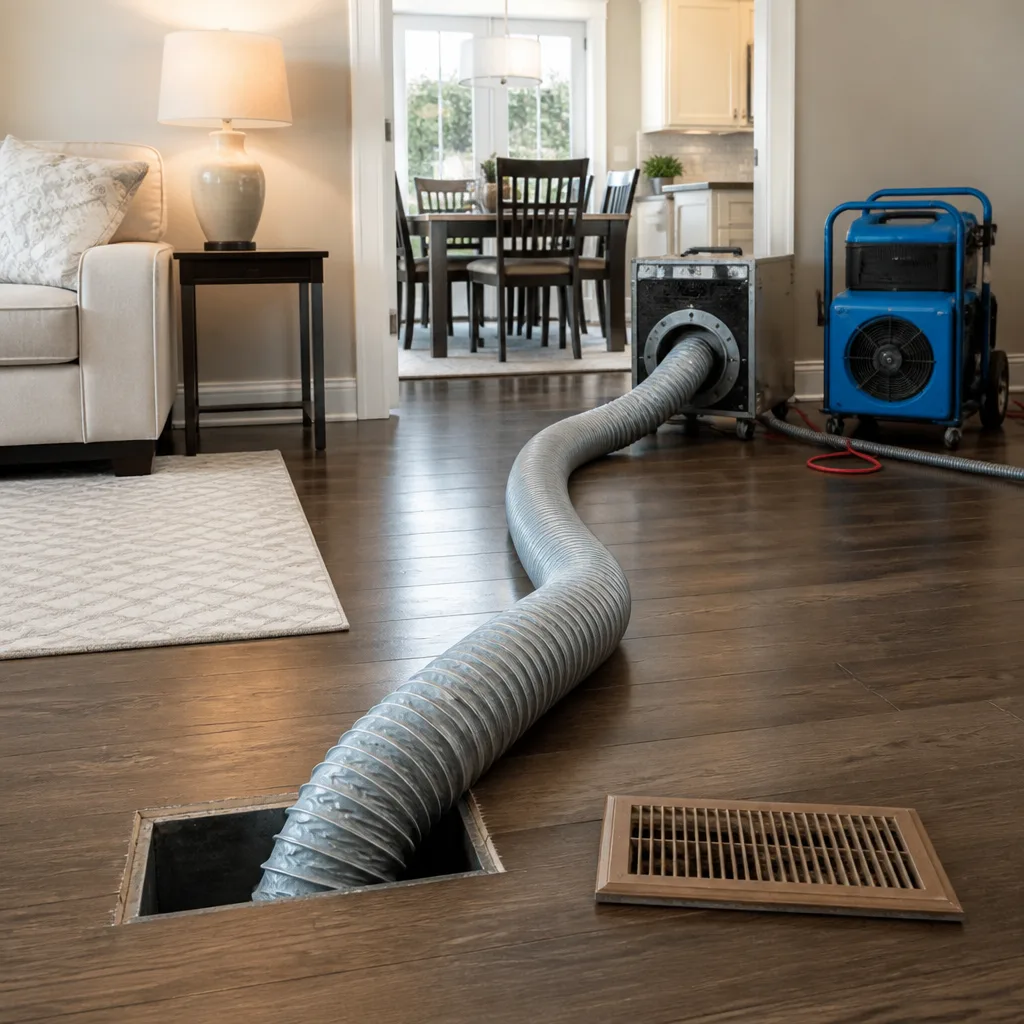 Whole-home duct cleaning
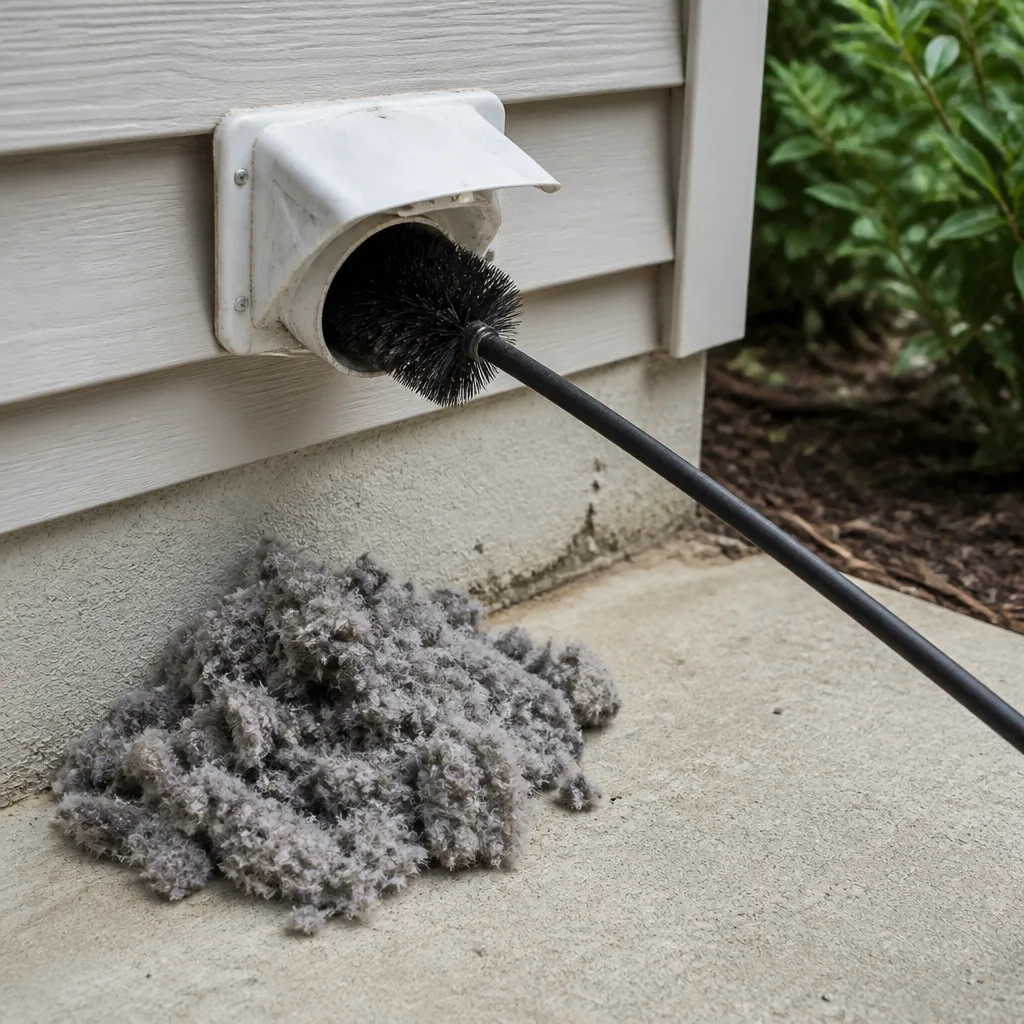 Dryer vent cleaning
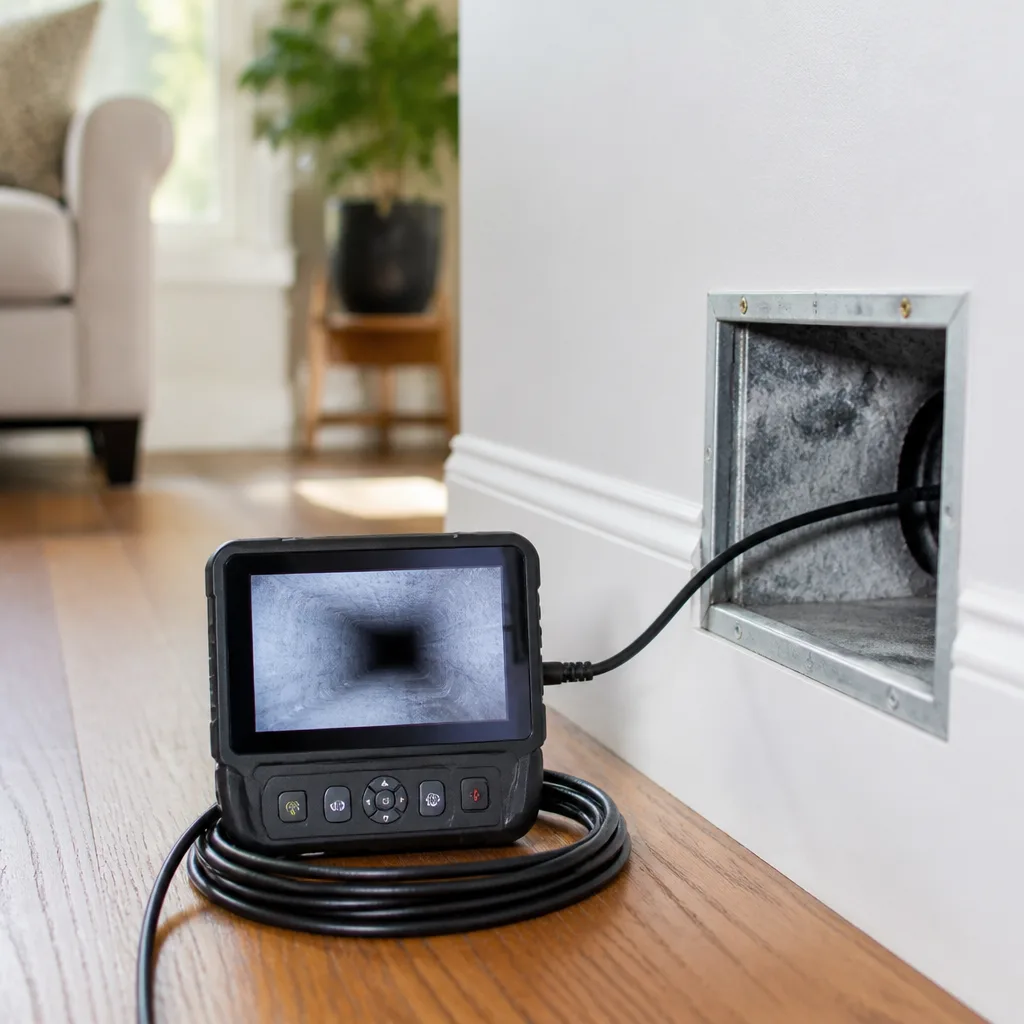 Camera inspection
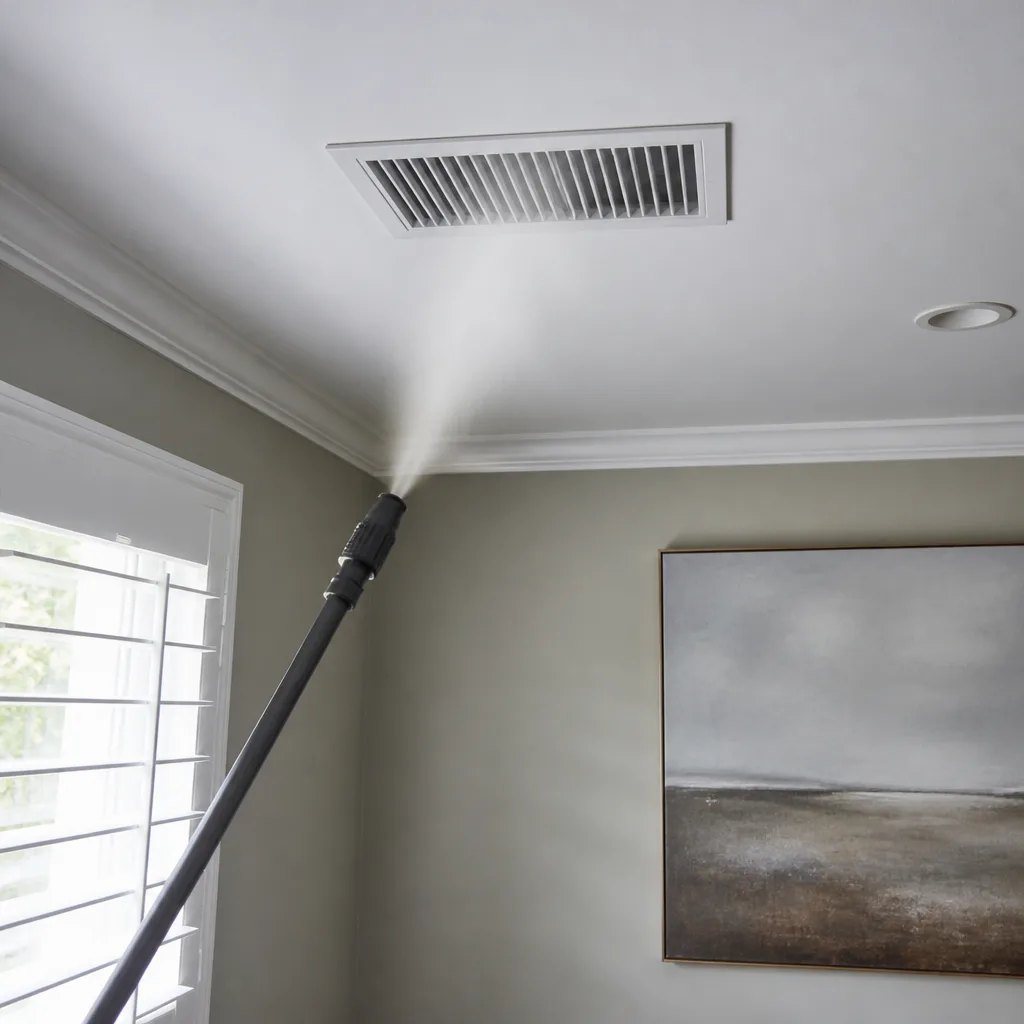 Sanitizing & deodorizing
Whole-system duct and dryer vent check with before-and-after photos - you see exactly what came out of your vents
That "$99 whole-house special" is a bait ad - the real number appears once they are in your hallway, or the "clean" is a shop-vac at the register. We photograph the inside of your ducts before and after instead.
Air Duct Cleaning Maintenance Schedule: What to Do and When
Most homeowners who look up a duct cleaning schedule expect one number. Three to five years, usually. That figure comes from national guidelines written for average conditions across the whole country, and Boulder is not average. We sit at 5,430 feet, where heating and cooling equipment works against thinner air and wider temperature swings, and we spend fire season downwind of smoke corridors that push fine particulate into homes for weeks. A schedule built on a national average will be wrong for most Boulder houses, sometimes badly wrong. What follows is how to build one that fits your home, your equipment and our particular climate, so you clean at the right time instead of on a calendar someone else set.
Quick Answer
In Boulder, duct cleaning should be scheduled every 3 to 5 years for a typical home, every 2 to 3 years if you have pets, smokers or a whole-house humidifier, and whenever a specific event occurs: smoke infiltration, renovation dust, a filter that turns gray in under 60 days, or visible debris at the registers. The national 3-to-5-year guideline is a starting point, not a rule.
Styles & brands we work with
- Whole-home duct cleaning
- Dryer vent cleaning
- Camera inspection
- Sanitizing & deodorizing
Table of Contents
- Why the National 3-to-5-Year Rule Doesn’t Quite Fit Boulder
- How to Build a Boulder-Specific Schedule: Three Factors That Matter
- Your Filter Is the Best Schedule Indicator You Have
- What to Do Between Professional Cleanings
- Post-Wildfire Smoke Events: Why 18 Months Can Be Too Long
- The Maintenance Step That Extends Time Between Cleanings the Most
- Whole-House Humidifiers and High-Altitude Mold Risk
- Signs It’s Time to Call a Professional
Why the National 3-to-5-Year Rule Doesn’t Quite Fit Boulder
The 3-to-5-year figure most people find online is a reasonable default for a house in a moderate climate with average occupancy. Boulder breaks several of the assumptions behind it. At 5,430 feet, air density is lower, and HVAC systems move less heat per cubic foot of air, which generally means longer runtimes to reach the same setpoint. Longer runtimes mean more air passes through the duct system per season, and more air means more dust and particulate deposited along the way. Then there’s the swing between seasons here. A house can run heat in the morning and cooling by afternoon in spring and fall, so the system never gets the long idle stretch that lets deposits settle undisturbed.
Wildfire smoke adds another layer. Smoke carries fine particulate that a standard filter catches only partially, and when it does pass the filter it lands on duct walls, in flex duct corrugations, and on the blower wheel. A house that experienced a smoky August may accumulate more contamination in one season than a mild year would deposit in three.
Housing stock matters too. Older Boulder homes often have ductwork that was retrofitted rather than designed with the house, which means more joints, more transitions and more places for dust to collect. Newer construction tends to be tighter, so whatever does get into the ducts stays there instead of leaking out through the envelope.
So the honest answer to “how often should I clean my ducts in Boulder?” is that it depends. We’ve walked into homes where five years was fine and homes where two years was already overdue, and the difference was never the calendar. It was the house.
How to Build a Boulder-Specific Schedule: Three Factors That Matter
Instead of picking a number, start with your house and adjust. Three variables move the schedule more than anything else.
1. Home age and duct condition
Homes older than roughly 30 years often have duct systems that were added or modified over time. Look for flex duct that sags, joints wrapped in deteriorating tape, or returns that pull from a crawlspace. Every one of those is a dust entry point. If your home is older and has visible duct modifications, shorten the interval. Homes built recently usually have cleaner runs but tighter envelopes, so they still need attention, just on a different rhythm.
2. Pets and smokers
One dog or cat roughly doubles the particulate load on a duct system. Two or more, or a long-haired breed that sheds, can halve your interval. Smoking indoors is the strongest single factor; a home with an indoor smoker should plan on cleaning every 2 years at most, and the residue is different in character, requiring a more thorough contact-cleaning approach rather than a light pass.
3. Whole-house humidifier
This is the one most people miss. A whole-house humidifier adds moisture to the airstream, and at Boulder’s altitude with our dry winters, homeowners often run them hard. Moisture plus dust plus a warm plenum is the setup mold needs. If you have a humidifier integrated into your HVAC system, your ducts are a wetter environment than a standard home’s, and the interval should come down. It’s also worth having the humidifier itself inspected, since a poorly maintained one can become the source rather than the solution. Systems from Honeywell and Aprilaire are common in Boulder homes, and both need periodic pad or canister service to stay healthy.
Working schedule by profile
- Standard home, no pets, no humidifier: every 4 to 5 years, plus after any smoke event or renovation.
- One pet or mild allergies: every 3 years.
- Multiple pets, indoor smoking or a whole-house humidifier: every 2 to 3 years.
- Recent renovation, smoke infiltration or a filter that grays fast: now, regardless of the last cleaning date.
Your Filter Is the Best Schedule Indicator You Have
You don’t have to guess. Your filter tells you what your ducts are seeing. A filter’s job is to catch particulate before it reaches the blower and the duct runs, so how quickly it loads is a direct reading of how much is in the air.
Check your filter every 30 days for two or three months and note the color. If a MERV-13 filter is visibly gray in under 60 days, that’s a signal that your duct system should move up on the calendar. A filter that lasts its full recommended interval and still looks reasonably clean is telling you the opposite: your ducts aren’t loading fast, and you can wait.
A few things to watch:
- Gray in under 60 days – schedule a cleaning. The filter is catching what it can, but particulate is getting past it into the ducts.
- Filter edges bypassing air – a filter that doesn’t seal at the frame lets unfiltered air around it. That dust goes straight into the system. Fix the fit before blaming the ducts.
- MERV rating too high for the system – a very high MERV filter can restrict airflow on older equipment and cause the blower to pull air from other gaps. Match the rating to what your system can handle.
- Filter located at the return grille vs. at the air handler – both work, but grille-mounted filters in Boulder homes often seal poorly, which is worth checking visually.
This is a five-minute habit that replaces guessing with data. If you’re not sure how to read what you’re seeing, air duct cleaning starts with a look at the system, and we’ll tell you honestly whether the ducts need work or just the filter.
What to Do Between Professional Cleanings
The work doesn’t stop when the technician leaves. A few routine steps keep the system cleaner longer and help you spot problems early.
Quarterly: vacuum the return air grilles
The return grilles are where dust enters the system. Vacuuming them with a brush attachment removes the loose layer before it gets pulled inside. This is a small job that pays off over the life of the system.
Annually: inspect the dryer vent
Dryer vent cleaning is a fire-safety service, not a convenience, and it belongs on an annual schedule of its own. Lint accumulates in the vent run regardless of how often you clean it out at the dryer, and a restricted vent makes the dryer run hotter and longer. The U.S. Fire Administration lists dryer vents among the leading causes of residential fires, and the fix is straightforward: have the full run cleaned and inspected once a year. This is separate from duct cleaning and should be scheduled independently. Details are on our dryer vent cleaning page.
When to run a borescope check yourself
A homeowner-grade borescope camera is inexpensive now, and a quick look inside a return drop or a supply run can tell you a lot. It’s worth doing:
- If you’ve had a renovation with drywall work in the last year.
- If you notice a musty smell when the system starts up.
- If you’ve had a smoke event and want to see whether deposits are visible.
- If a register is blowing visible dust.
You’re looking for heavy buildup on the duct walls, dark staining, or visible moisture. If you see any of those, it’s time for a professional look. A camera tells you whether to call; it doesn’t replace the cleaning itself.
Seasonally: check the condensate and drain lines
During cooling season, the condensate line and drain pan should be checked for standing water. Standing water near the air handler is a mold risk that spreads into the ducts. It’s a five-minute check that prevents a much bigger problem.
Post-Wildfire Smoke Events: Why 18 Months Can Be Too Long
If you live in Boulder and the county has had a significant wildfire smoke event, your duct cleaning schedule should reset. Cleaning is warranted after a smoke event even if it’s only been 18 months since the last cleaning, and here’s why.
Smoke particulate is fine enough to pass through standard filters in large quantity. What gets through deposits on duct surfaces, and in flex duct it settles into the corrugations where a vacuum can’t reach without contact cleaning. The deposits are often visible as a fine gray film on the duct walls, sometimes with a slight oily sheen depending on what burned. In metal ductwork it looks like a uniform dusting; in flex duct it collects along the low side of each run.
The smell is often the first indicator. If the system smells like smoke when it starts up weeks or months after the event, particulate has settled and is being redistributed every time the blower runs. Standard vacuuming of the registers won’t fix that. It takes contact cleaning of the duct surfaces and negative air pressure to keep the loosened material from spreading through the house during the process. We use Rotobrush contact-cleaning systems and Nikro negative-air and HEPA equipment for exactly this reason: the work has to capture what it loosens, not just move it around.
For heavier contamination, or where mold spores and fine particulate are part of the picture, we bring in Abatement Technologies equipment designed for contamination-level indoor air quality situations. That’s beyond routine dust removal, and it’s the right tool when smoke or moisture has left more than dust behind.
One practical note: after a smoke event, change the filter first, then schedule the cleaning. Running a fresh filter through a dirty system just loads it immediately.
The Maintenance Step That Extends Time Between Cleanings the Most
If we could change one thing about how most Boulder homes maintain their ductwork, it would be this: seal the leaks. Duct leakage is the single biggest driver of how fast a system re-contaminates after cleaning, and sealing is what buys you the most additional time between cleanings.
Most duct systems leak at the joints, the seams and the connections to registers. Every leak pulls air from wherever the duct runs: attics, crawlspaces, wall cavities. That air is unfiltered, and it carries dust, insulation fibers and whatever else is in that space. A system leaking 20 percent of its airflow is pulling 20 percent of its air from places you’d never want to breathe from.
Two approaches work:
- Mastic sealing – a brushable or trowel-applied sealant at the joints. Effective, inexpensive, and best done when the ductwork is accessible, such as during a cleaning or repair visit.
- Aeroseal – a sealant introduced as a mist that finds and plugs small leaks from the inside. It’s effective for leaks you can’t reach, and it’s proven at reducing leakage in residential systems.
What doesn’t work well long-term is duct tape. It dries out, loses adhesion and fails, often within a few years. If you’ve found tape peeling at the joints, that’s a sign the sealing needs to be redone properly.
We treat duct repair as a dedicated service alongside cleaning for this reason. Sealing leaks and repairing damaged sections isn’t something to leave for next time, because a system that leaks will be dirty again sooner. The full picture is on our Boulder Duct Cleaning page.
Whole-House Humidifiers and High-Altitude Mold Risk
Whole-house humidifiers are common in Boulder homes for good reason: our winters are dry, and a humidifier makes a house more comfortable. But they introduce a maintenance variable that most cleaning schedules ignore.
At altitude, water evaporates differently, and humidifiers often run at higher output to compensate. That moisture enters the airstream and, if the humidifier isn’t maintained, it can also carry mineral dust from Boulder’s hard water and biological growth from a neglected pad or canister. The combination of moisture, mineral dust and organic material in a warm plenum is the classic setup for mold.
If you have a humidifier, three things should be on your schedule:
- Inspect and replace the pad or canister annually – before heating season, not after.
- Check the humidistat setting – over-humidifying is common at altitude. Aim for the level that feels comfortable without condensation on windows.
- Add a visual duct check to your calendar – if you see moisture or staining near the humidifier’s introduction point, that’s a signal to call.
We work with and service Honeywell and Aprilaire whole-home filtration and humidification systems routinely. If your home runs one of these, the maintenance conversation should include the humidifier itself, not just the ducts around it.
Signs It’s Time to Call a Professional
Some signals are clear enough that the schedule stops mattering. If any of these are present, it’s time to call regardless of when the last cleaning was:
- Visible dust blowing from registers when the system starts up.
- A musty or smoke smell that appears when the blower runs and fades when it stops.
- Visible debris or staining inside a return drop or supply run, whether from a borescope or a look through a removed grille.
- Recent renovation with drywall dust or sawdust, which settles into the system and needs professional extraction.
- Filter loading in under 60 days, consistently.
- Allergy symptoms that worsen indoors during heating or cooling season.
- A dryer that runs hot or takes multiple cycles – this is a dryer vent issue and a fire-safety concern, not a duct issue, but it needs professional attention.
Our technicians have up to 9 years of experience and use professional-grade equipment on every job. Call (877) 550-7147. We answer 24/7. Fast dispatch from 7am to 7pm, Sunday through Friday. Estimates are free.
Common Mistakes to Avoid
- Treating 3 to 5 years as a fixed rule. That figure was written for average conditions. A Boulder home with a whole-house humidifier, two dogs and a smoke event doesn’t fit the average, and cleaning on the national schedule means either cleaning too late or paying for work you didn’t need.
- Skipping the dryer vent because the ducts were just cleaned. They’re separate systems with separate schedules. The dryer vent is an annual fire-safety item regardless of when the ducts were last serviced, and skipping it is the more dangerous oversight.
- Assuming a new filter solves the problem. A filter catches what reaches it. If the ducts are already loaded, particulate is being deposited downstream of the filter, and a fresh filter just means the next one loads fast too.
- Letting a leaky duct system stay leaky. Cleaning a system that leaks 20 percent of its air is a short-term fix. Until the leaks are sealed properly, every leak is pulling unfiltered air from the attic or crawlspace back into the ducts.
- Ignoring the humidifier as part of the HVAC system. A neglected humidifier pad adds mineral dust and potential biological growth directly into the airstream. It needs its own annual service, and a cleaning that ignores it can leave the source in place.
- Using duct tape as a long-term fix. It dries, peels and fails. If tape is what’s holding your joints together, that’s not a sealed system, and it’s why the next cleaning will come up sooner than it should.
- Assuming a cheap quote includes the full system. A contractor who cleans one trunk and skips the branches has done a fraction of the work. Ask what’s included before scheduling, and ask what equipment is being used.
See the difference
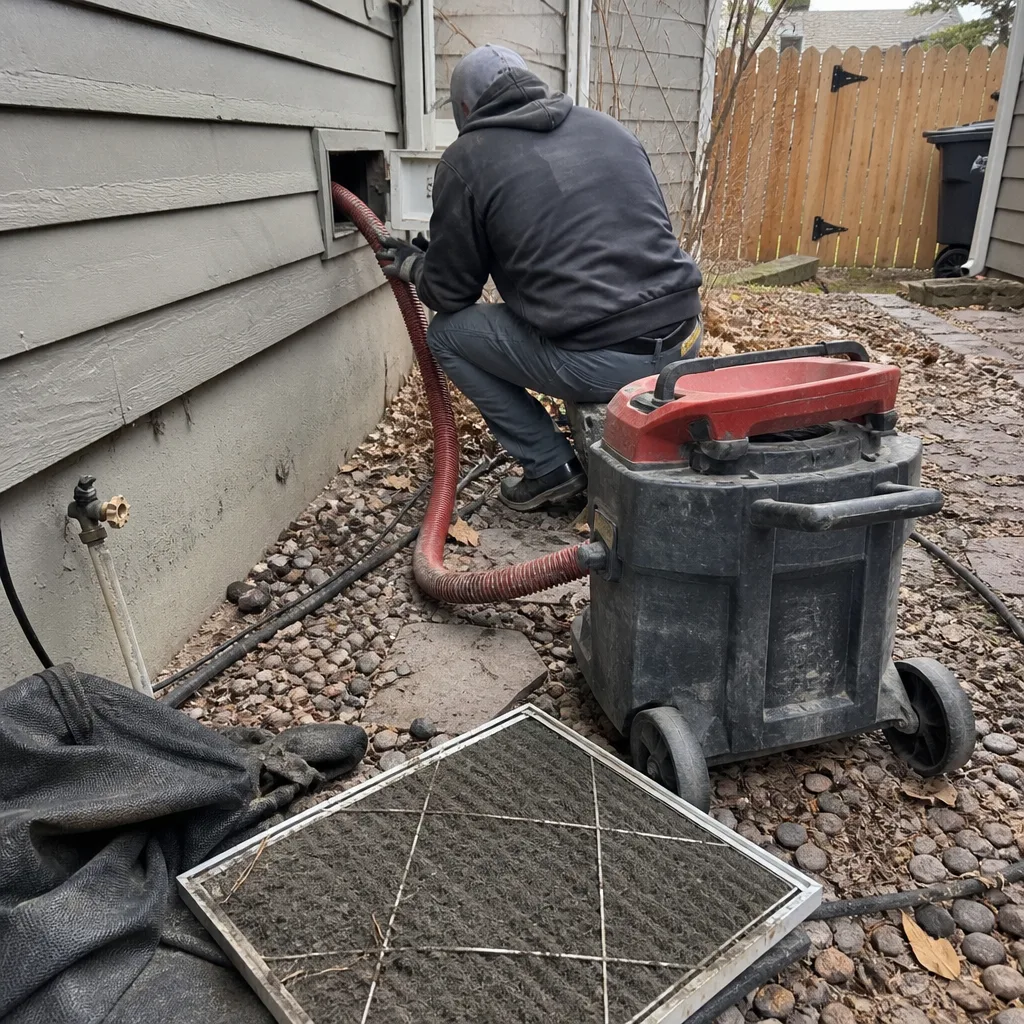 Before
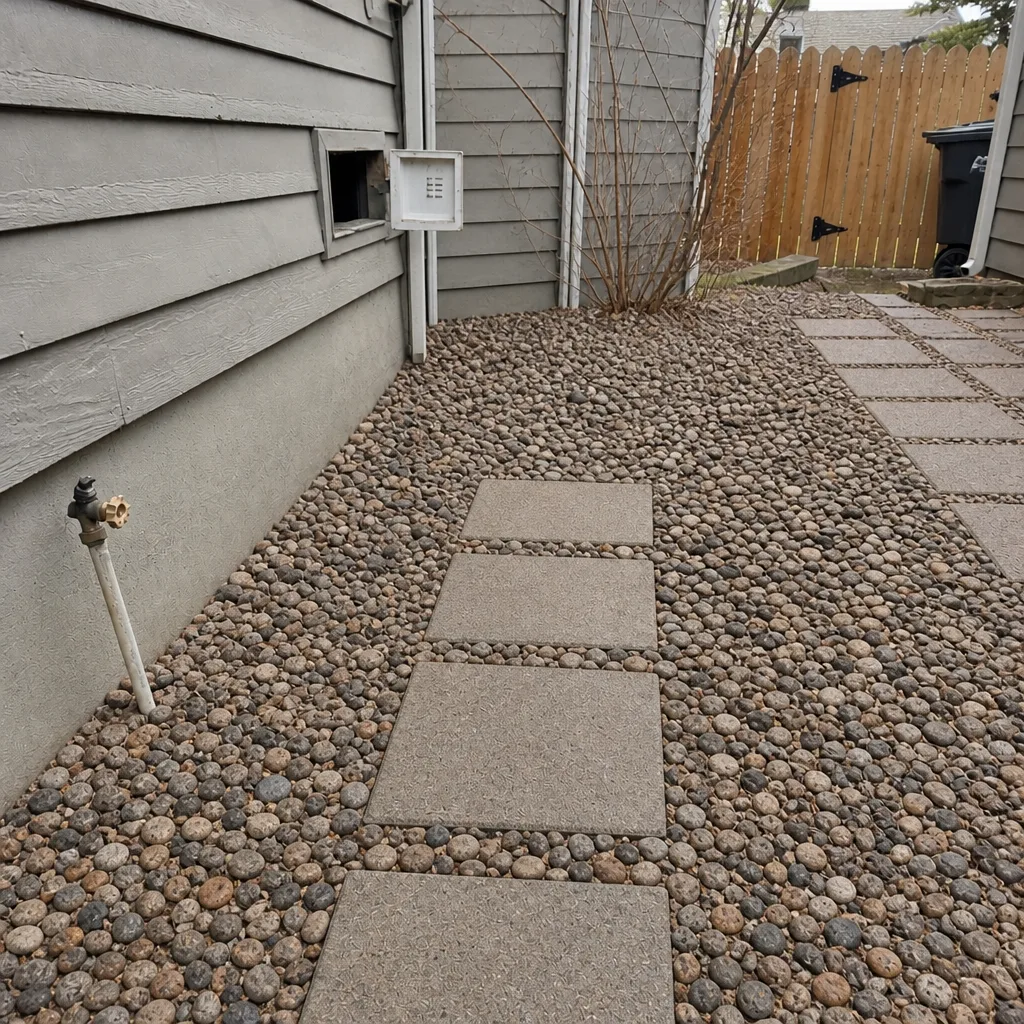 After
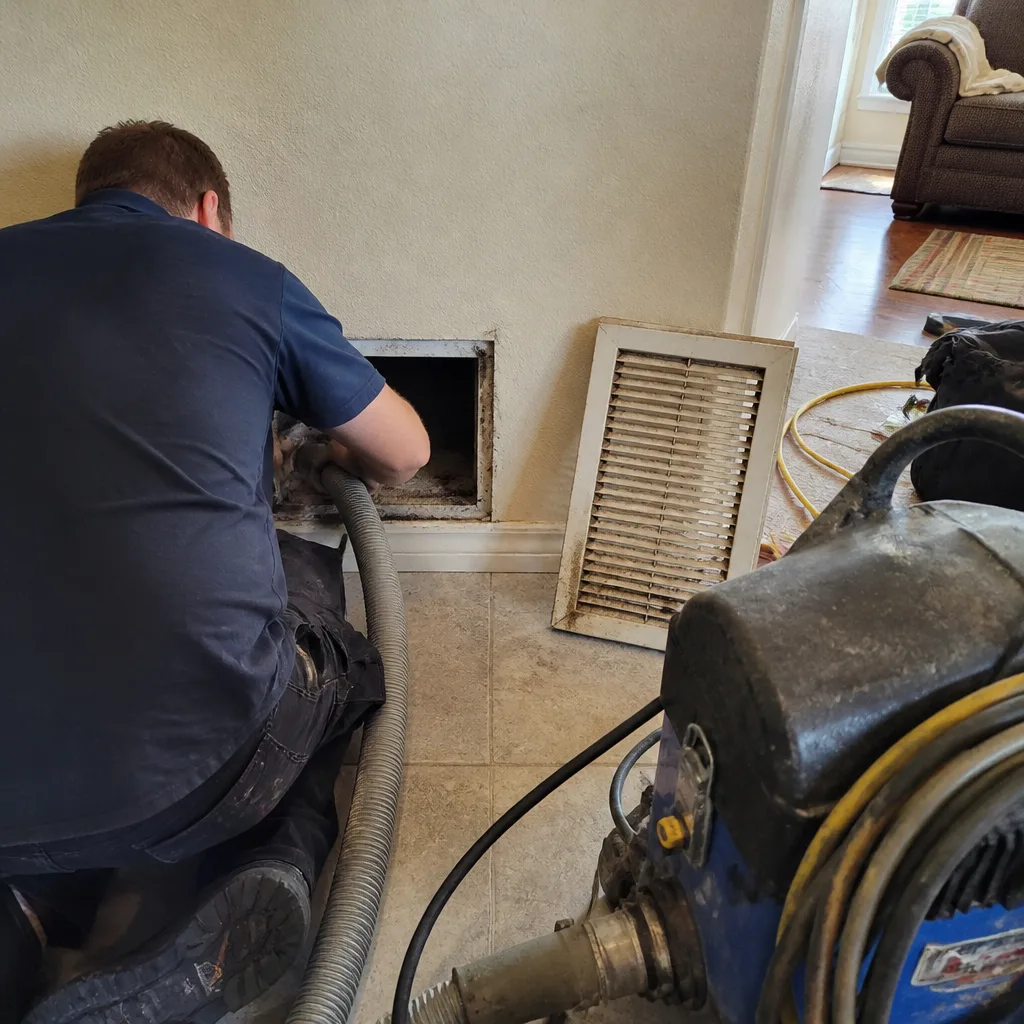 Before
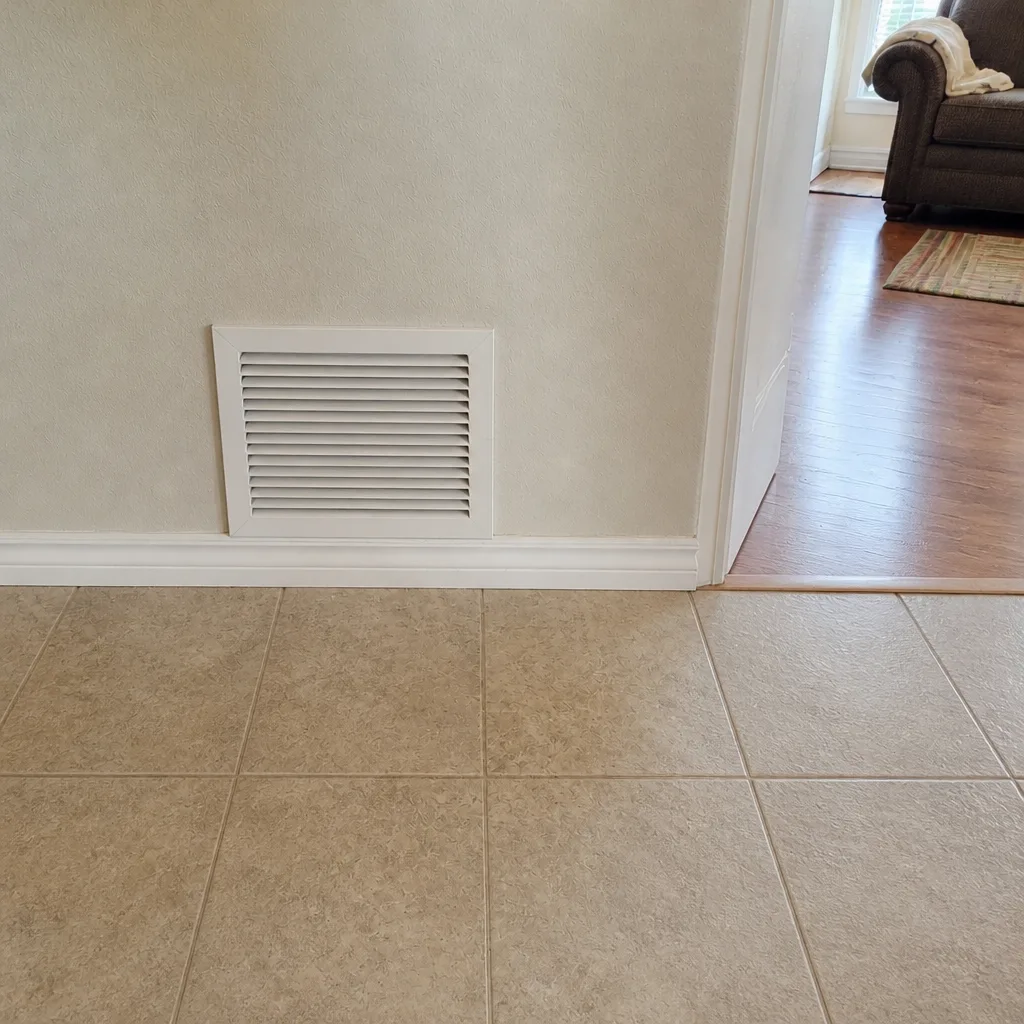 After
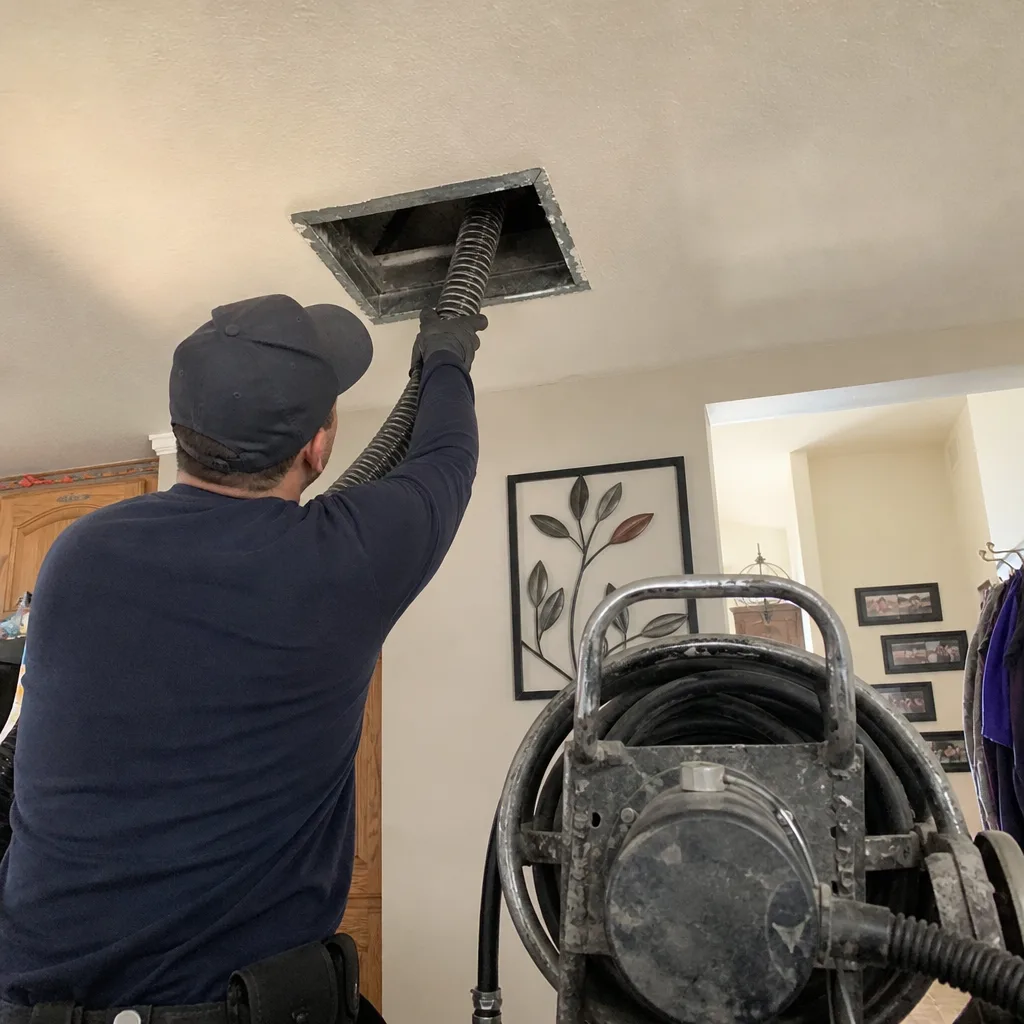 Before
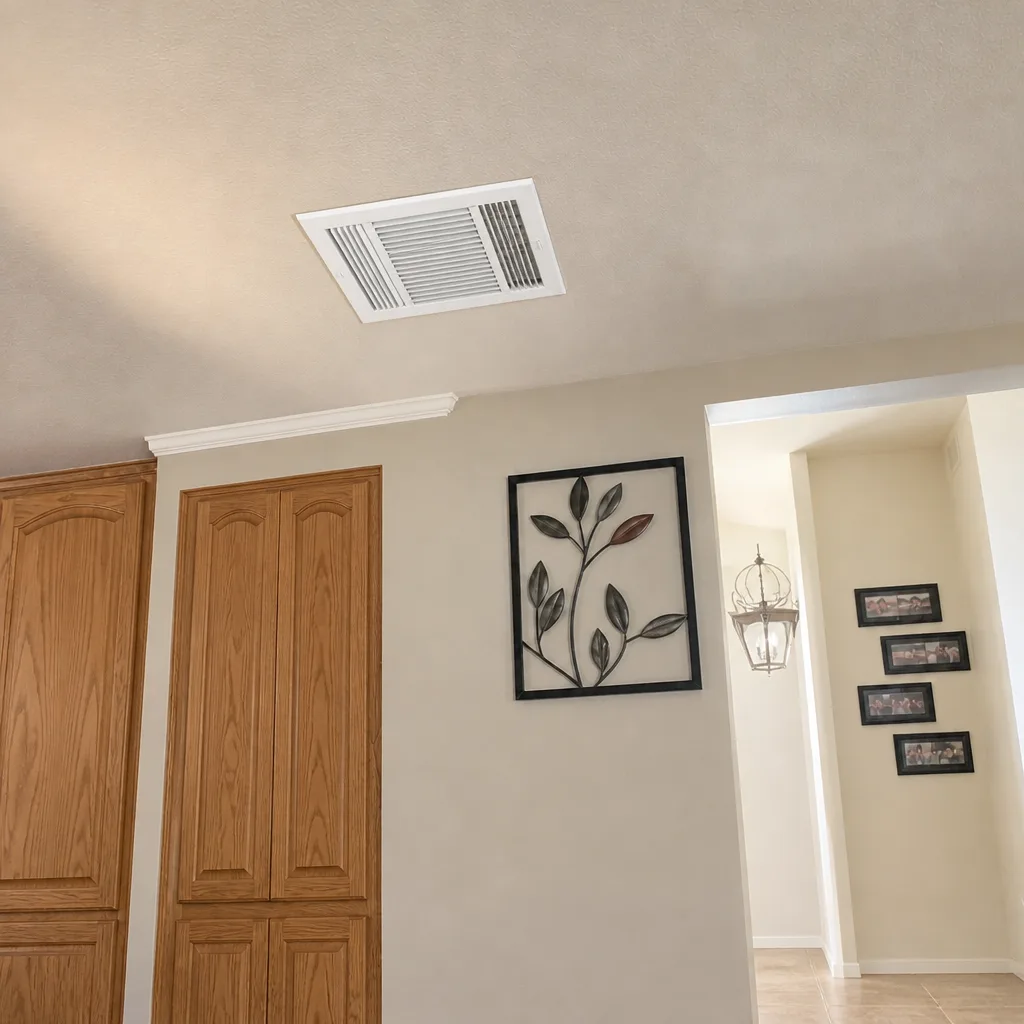 After
When to Call a Professional
If you’ve read this far and you’re wondering whether your home needs a cleaning, the answer usually follows from a few questions. Has it been more than three years since the last one? Has the house seen a renovation, a smoke event or a new pet in that window? Does the filter turn gray fast? Is there a humidifier running? If any of those are yes, a professional inspection is worth the call. The scenarios where we’d say “you can wait” are just as common as the ones where the work is due.
Boulder Duct Cleaning offers free estimates. We use Rotobrush contact-cleaning and Nikro negative-air and HEPA equipment on every job, and we can repair what we find rather than cleaning around it. Call (877) 550-7147. We answer 24/7. Fast dispatch from 7am to 7pm, Sunday through Friday.
Frequently Asked Questions
For a typical home, every 3 to 5 years. If you have pets, smokers or a whole-house humidifier, every 2 to 3 years. After a wildfire smoke event or a renovation, schedule it regardless of the last date. Call (877) 550-7147 and we’ll help you decide – estimates are free.
Yes, if smoke reached your home’s air, cleaning is warranted even at 18 months since the last service. Smoke particulate passes through standard filters and deposits on duct surfaces, especially in flex duct corrugations. A smoke smell on startup is the clearest sign the deposits are still there. Call for an assessment – estimates are free.
Pricing is per job by written estimate, and the final price is set by that estimate, not by a phone quote or a coupon. We don’t quote per-vent prices, and we don’t use teaser figures that grow into a larger invoice on site. Call (877) 550-7147 for an exact quote – estimates are free.
Because they often clean less. A low quote may cover only one trunk line or skip the branches, and it may use consumer-grade vacuums rather than professional negative-air equipment. Ask what’s included and what equipment will be used before you book. Call us if you want a second opinion on a quote – estimates are free.
Sometimes. A borescope camera in a return drop or supply run can show visible buildup, and a filter that turns gray in under 60 days is a reliable indicator. A musty or smoke smell on startup is another. If any of those are present, a professional look is the next step. Call (877) 550-7147 – estimates are free.
Yes, it shortens the interval. A humidifier adds moisture to the airstream, which makes the duct environment friendlier to mold growth, particularly at altitude where it often runs hard in winter. Plan on the shorter end of the range and have the humidifier itself serviced annually. Call for guidance – estimates are free.
Ask for before-and-after photos of your own ducts. A contractor using Rotobrush contact-cleaning and Nikro negative-air equipment can show you what the runs looked like and what they look like after. If a company can’t or won’t document the work, that’s a reason to look elsewhere. Call us for a free estimate and a clear scope of work.
The Bottom Line
The 3-to-5-year duct cleaning rule is a placeholder, not a plan. In Boulder, altitude-driven system runtime, wildfire smoke seasons and dust infiltration from the surrounding high country mean your right schedule depends on your house, not a national average. Build it from three variables – home age, pets or smokers, and whether you have a whole-house humidifier – and adjust it as your filters tell you to. Seal leaks so the cleaning lasts. Keep the dryer vent on its own annual schedule. Clean after smoke events, even at 18 months. Call for a free estimate and we’ll tell you where your home stands. Call (877) 550-7147. We answer 24/7. Fast dispatch from 7am to 7pm, Sunday through Friday.
Written by the team at Boulder Duct Cleaning.