
Last updated November 15, 2026
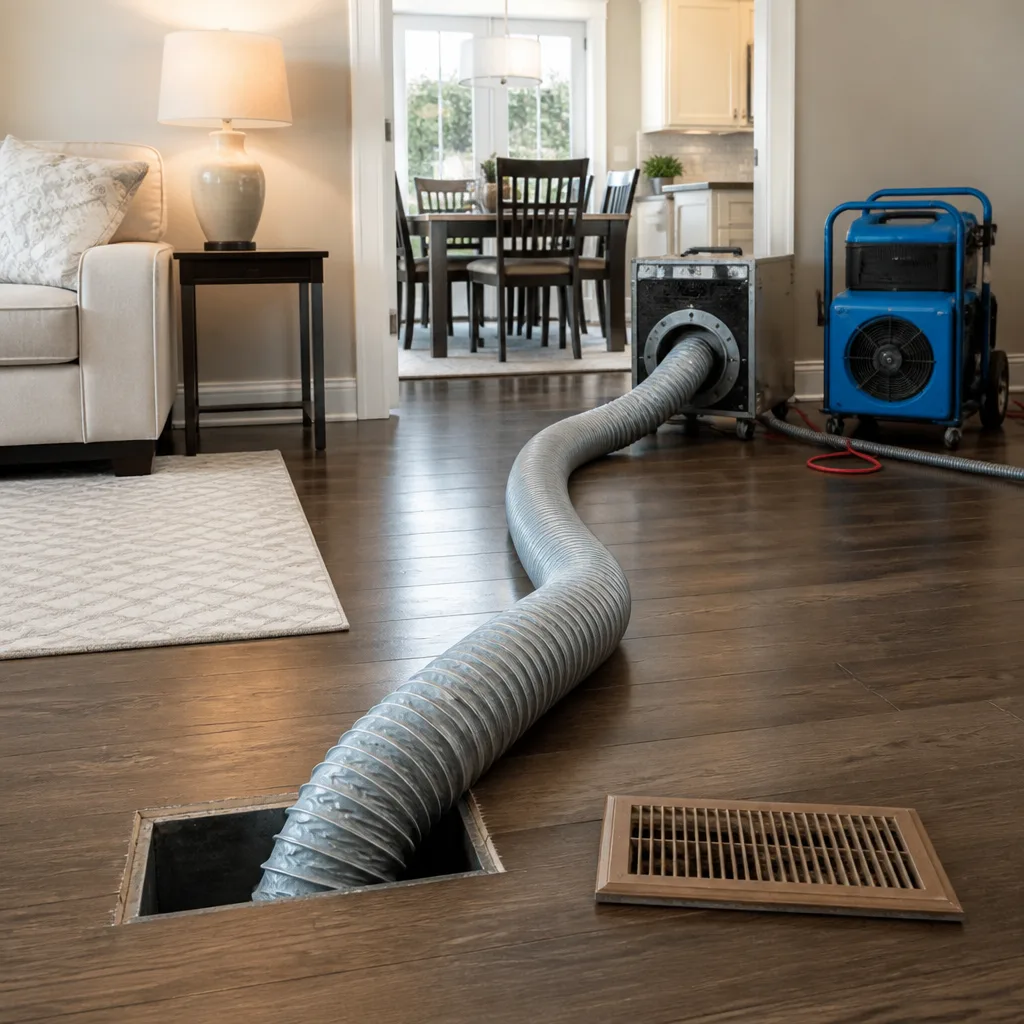 Whole-home duct cleaning
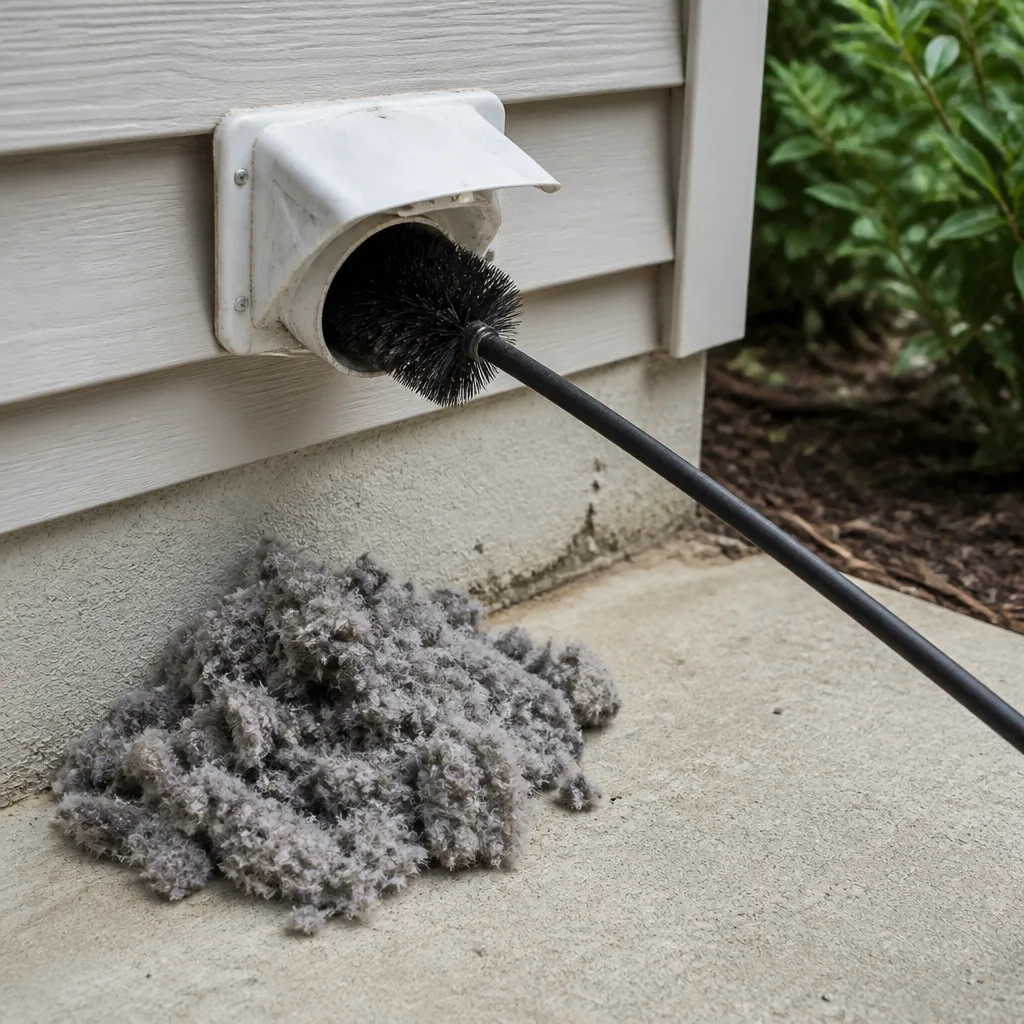 Dryer vent cleaning
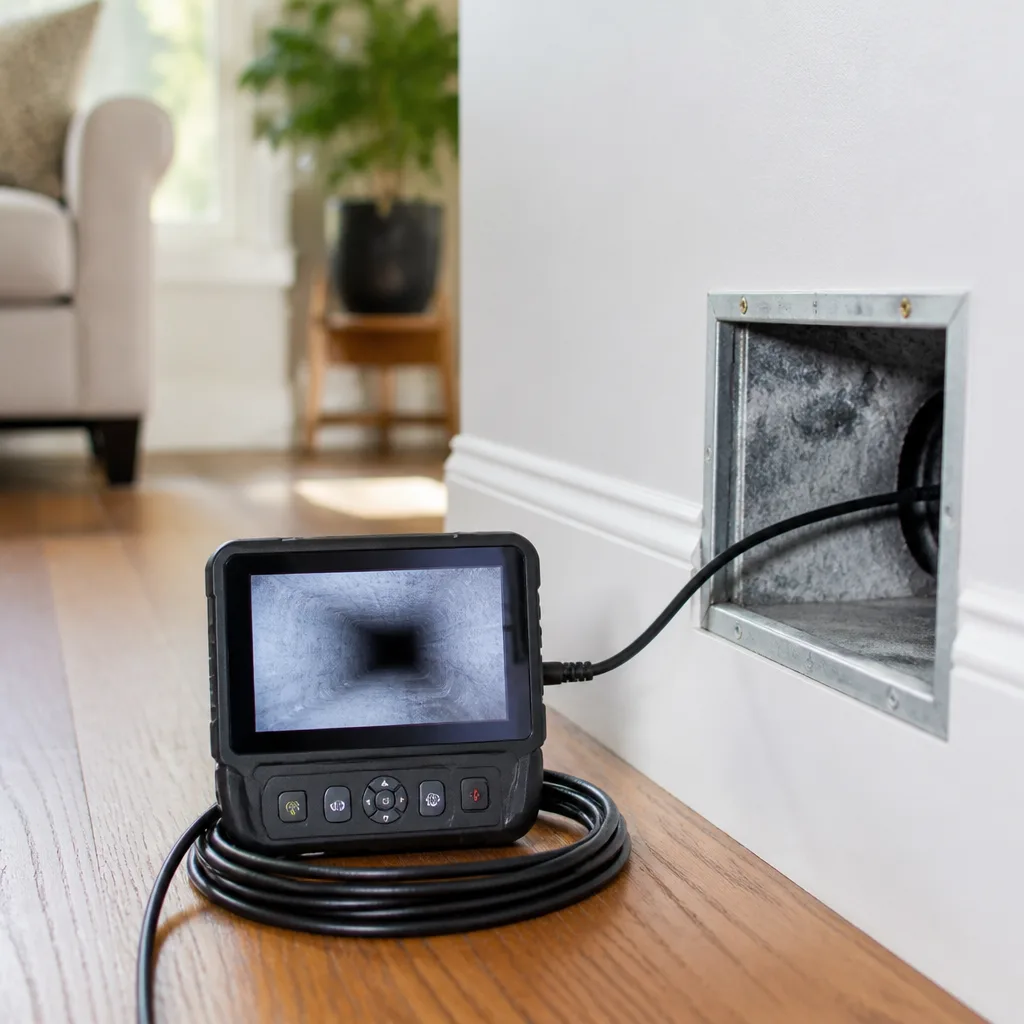 Camera inspection
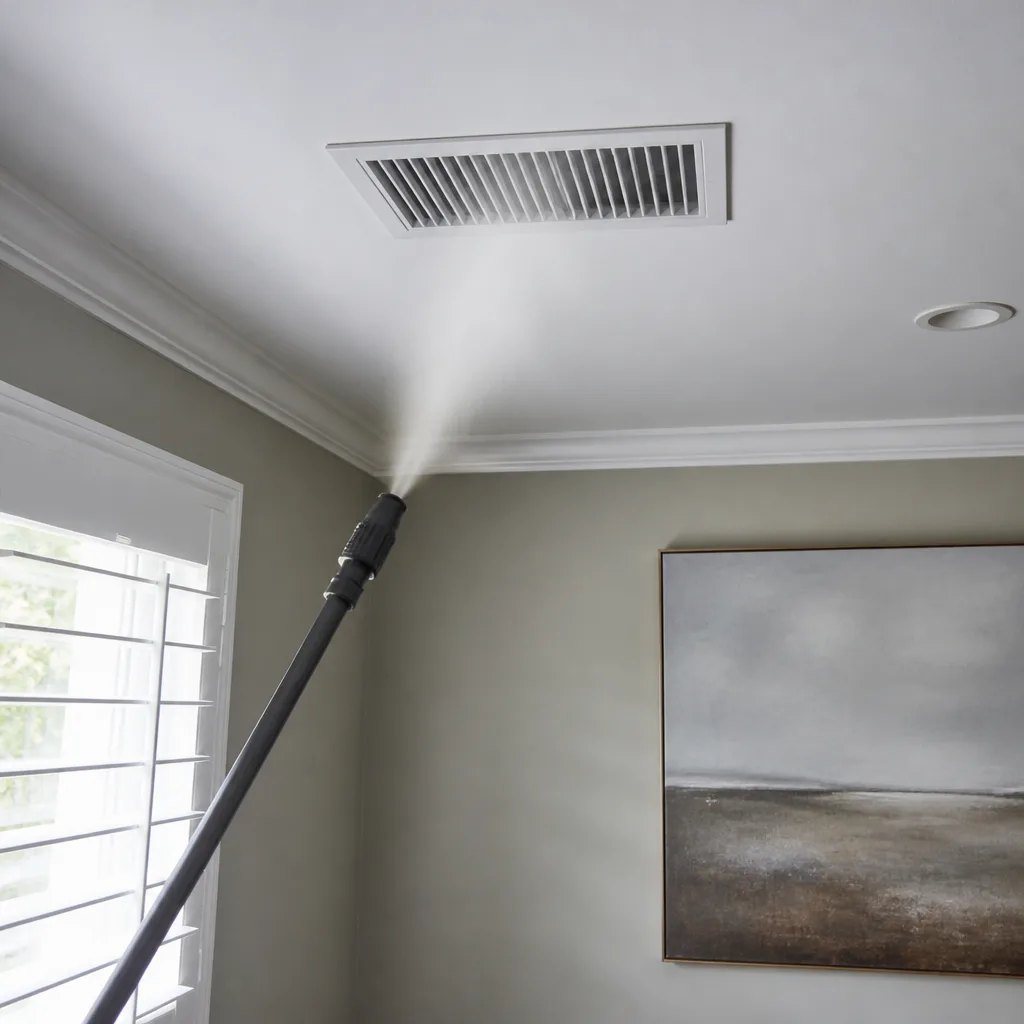 Sanitizing & deodorizing
Whole-system duct and dryer vent check with before-and-after photos - you see exactly what came out of your vents
That "$99 whole-house special" is a bait ad - the real number appears once they are in your hallway, or the "clean" is a shop-vac at the register. We photograph the inside of your ducts before and after instead.
Seasonal Air Duct Cleaning Care for Boulder: Year-Round Homeowner’s Guide
Most homeowners pick a date on the calendar and stick with it. January rolls around, the holidays are packed up, and the duct cleaning gets booked because “it’s the start of the year.” In Boulder, that’s close to the worst possible timing. By the time January arrives, you’ve already missed the window that matters most: the months when your system pulled in a full season of fire-season smoke, then wind-driven grit, then renovation dust, all before the furnace ever kicked on for the winter. This guide maps your duct maintenance to what Boulder’s climate actually does to a house, season by season, so each task lands when it counts rather than when the calendar says so.
Quick Answer
The best time for professional air duct cleaning in Boulder is fall, roughly October through November, right before the heating system runs hard for five months. Filter changes and visual inspections belong in spring and winter, while summer smoke events call for a judgment call based on whether you’re seeing particles at the registers or just smelling the air. Year-round care in Boulder means four distinct seasonal tasks, not one annual appointment.
Styles & brands we work with
- Whole-home duct cleaning
- Dryer vent cleaning
- Camera inspection
- Sanitizing & deodorizing
Table of Contents
- Why Boulder’s Climate Creates Four Separate Duct Seasons
- Winter (November to February): Freeze-Thaw Stress and the Crawlspace Check
- Spring (March to May): Wind, Construction Dust, and Filter Timing
- Summer and Fire Season (June to September): The Post-Smoke Protocol
- Fall (October to November): The Highest-Value Cleaning Window
- Building a Four-Season Maintenance Log Your Contractor Can Read
- Common Mistakes to Avoid
- When to Call a Professional
Why Boulder’s Climate Creates Four Separate Duct Seasons
Boulder sits in a pocket where the Front Range weather patterns do things that a coastal or Deep South climate never does. The city gets Chinook winds that come off the mountains and hit the eastern flats with force, and those wind events drive fine particulate into every exterior crack and return-air grille on the west side of town. The winters deliver real freeze-thaw cycles, sometimes several in a single week, which is hard on flex duct joints in unconditioned spaces. And summer has become its own stress event, with wildfire smoke from fires well outside Boulder County settling into the valley and getting pulled into homes through the return side of the HVAC system.
That gives Boulder four distinct seasonal stress events rather than the simple hot-cold split most maintenance guides assume. Each one deposits something different into your ductwork, and each one calls for a different homeowner response. Cleaning in January means you clean before the summer smoke, before the wind, and before the construction dust of the spring renovation season, which is exactly the wrong order. Cleaning in the fall means you clean after all three of those have done their work and before the system starts running long hours to keep the house warm.
What each season deposits
- Winter: Condensation from warm air meeting cold flex duct in crawlspaces and attics, plus freeze-thaw movement at joints and connections.
- Spring: Wind-driven particulate pushed through exterior returns, plus drywall dust and sawdust from Boulder’s spring renovation season.
- Summer: Wildfire smoke particulate, fine enough to pass a standard filter and settle in the duct lining and the blower compartment.
- Fall: The accumulated load from all three above, ready to be cycled through the house for five months of hard heating.
The order matters because of how the HVAC system works. Whatever is sitting in the return ducts in October gets pushed through the supply side for the entire heating season. If summer smoke particulate is still sitting in the system when the furnace comes on, you’ll be cycling it into every room five or six times a day, all winter.
Winter (November to February): Freeze-Thaw Stress and the Crawlspace Check
Boulder winters bring several hard freeze-thaw cycles, and that stress lands directly on any ductwork running through an unconditioned crawlspace, attic, or rim joist cavity. The duct itself is fine. The joint at each connection point takes the beating. When metal flex duct collars expand and contract with temperature swings, the mastic and tape holding them together weakens. A disconnected section can dump a substantial share of your heated air into the crawlspace instead of the living room.
How to check for disconnected duct sections without a contractor
- Turn the thermostat fan to “on” so the blower runs constantly while you inspect.
- Go to the crawlspace, attic, or utility room and look at every visible duct run. You’re looking for sagging sections, sections that have pulled away from a boot or collar, and visible daylight or gaps at the seams.
- Run your hand along the length of each accessible duct. Air leaking into the crawlspace will be obvious the moment your hand crosses the gap.
- Stand in the coldest room in the house and compare airflow at the supply register with a warmer room’s register. A weak register usually means a duct problem, not a thermostat problem.
- Look for condensation stains on the crawlspace floor or the sheathing above the duct run. In a Boulder winter, that’s the signature of a leaking joint and a warm-air-meets-cold-surface situation.
Note what you find but don’t tape or repair it yourself. Most duct repair involves sealing the actual joint with correct materials and confirming the run is still ducted the way it was designed, and that’s a job for a contractor with the right gear. Air duct repair is a distinct service from cleaning, and the difference matters: a cleaning that skips a disconnected duct leaves the structural problem in place and just removes the dust around it.
Winter is also when filters need watching, but it’s not the season to plan a professional cleaning. If you want to schedule a full system appointment, look at the Boulder Duct Cleaning service overview and think about booking it for the fall window instead.
Spring (March to May): Wind, Construction Dust, and Filter Timing
Spring in Boulder is wind season. The Chinook events and the Front Range wind corridor push fine dust and grit against every exterior wall, and if your return-air intake has any exterior exposure, that particulate enters the system. Then the renovation season starts. Between the two, spring is the highest-deposit season for exterior particulate in the return air path.
The instinct for most homeowners is to schedule a duct cleaning the moment the dust hits. That’s usually wrong. Spring is the time to upgrade filters and address the source, not the time to clean, because the deposits are still arriving. Cleaning in April means the work gets redone in June.
What spring actually needs
- Upgrade the filter to the highest MERV rating the blower can handle. A MERV 11 or 13 is a reasonable middle ground for most Boulder homes. Going higher than the system is rated for can stress the blower and drop pressure across the coil, so check the equipment label or call us if you’re unsure.
- Check the filter without fail at the end of a major wind event. That’s when the system has pulled the most particulate through the return.
- Do a visual duct inspection if you’re renovating. Drywall dust and sawdust are heavier than smoke particles and settle inside the actual ductwork rather than just on the filter. Cover return grilles with plastic sheeting before demolition and keep the system fan off during the dustiest work.
- Add a filter reminder to your maintenance log (covered further below) so the interval becomes a pattern you can review, not a thing you forget.
If you have a Honeywell or Aprilaire whole-home filtration unit installed at the air handler, spring is the time to check the filter media on that unit too. Whole-home systems do a lot of work in a Boulder spring, and they’re often forgotten because the filter cartridge sits inside the equipment cabinet rather than at a return grille you see every day. We work with both brands and can replace the media during a routine service call if you can’t find the right cartridge spec.
Summer and Fire Season (June to September): The Post-Smoke Protocol
Wildfire smoke has become an annual summer event along the Front Range, and how it hits your ducts depends on several factors: how close the fire is, how long the smoke lingers in the valley, and how well your home seals. Smoke particulate is fine enough that some of it gets through a standard filter and settles into the duct lining, the blower wheel, and the supply plenum. That’s the material that causes the “smells like a campfire every time the AC kicks on” complaint we hear most summers in Boulder.
How to decide whether post-smoke cleaning is warranted
- Run the system fan for 15 minutes, then walk to the supply registers and see whether you smell smoke at the vent when the system is blowing.
- Look at the filter. If it’s loaded to the point of visible discoloration, replace it first and see if the smell goes away with a fresh filter. That alone often resolves a mild smoke event.
- If you have a home air quality monitor that reads fine particulate (many inexpensive models read PM2.5), set it in a bedroom or living area with the doors closed for a few hours. If it reads elevated with the system running and no windows open, the system is likely recirculating residual smoke.
- If the smell persists after a filter replacement and the home monitor stays elevated for a week or more, professional cleaning is worth scheduling.
- If you’re in a mold-sensitive situation (see the fall section on identifying moisture), call before the smoke clears because you’ll be dealing with both at once.
We carry Abatement Technologies equipment specifically for these scenarios, because fine smoke particulate and potential mold spores are a contamination-level situation that a consumer-grade vacuum cannot address. Routine dust cleaning and smoke-event cleaning are not the same job, and the equipment should reflect the difference.
For summer, the sequence matters: filter first, sensor reading second, cleaning decision third. If the exterior air is still bad, don’t run the system fan on continuous; that pulls in whatever the outdoor air is. Set the thermostat to run the fan only when heating or cooling demands it, and keep the windows shut through the smoke event.
If you find yourself cleaning the same duct system repeatedly through the summer, it’s worth looking at the return air path more carefully; our air duct cleaning service includes a full inspection of the return and supply sides, not just a pass with a brush.
Fall (October to November): The Highest-Value Cleaning Window
This is the one. Fall is the single highest-value window for professional duct cleaning in Boulder, because everything that settled in the system over the previous nine months is about to run through the house five or six times a day for the next five. The system has done the work of pulling in summer smoke, spring wind particulate, and any renovation dust. The house is about to seal up. Cleaning before that seal-up is the only way the heating season starts on a clean system.
The window is narrow. In a typical Boulder fall, you’ll have about six to eight weeks where the outdoor temperature is mild enough that the system isn’t running constantly and the interior has already transitioned from cooling to shoulder-season. That’s the moment to schedule. Once the first hard freeze hits and the furnace runs all night, you’ve lost the convenience window (though cleaning is always possible, just more disruptive because the system is running while the work is being done).
What a professional cleaning in the fall actually covers
- Full system inspection, not just a brush pass. The technician checks every accessible run for disconnected sections, crushed duct, and mechanical damage.
- Contact cleaning of every run with Rotobrush. The Rotobrush is a contact tool with a rotating head that mechanically agitates the duct wall. That’s different from a negative-air machine pulling loose debris down a run; contact cleaning is what dislodges the material stuck to the lining.
- Negative-air protection with a Nikro HEPA unit. A HEPA vacuum running as a negative-air machine holds the duct under negative pressure throughout the cleaning, so dislodged material goes into the HEPA filter instead of the room.
- Treatment application if you want it. Guardsman protective treatments are available as part of the full-service scope when you want the interior lining treated after cleaning.
- Air duct repair as a separate scope. If the inspection finds a disconnected joint or a crushed section, that’s the opportunity to fix it before the heating season. Cleaning and repair in one visit is far more practical than cleaning now and repairing later.
Fall is also the right time for dryer vent cleaning if you haven’t had it done. Lint accumulates through the summer when the dryer runs more, and lint buildup in the vent is a documented fire-hazard concern. We treat it as its own fire-safety service with its own process and equipment, not a convenient add-on to a duct cleaning call.
And if the inspection turns up contamination-level material, whether from a humidity problem in the crawlspace or a smoke event that left more behind than a filter could handle, the Abatement Technologies tools are there for that scope. Most homes don’t need that level of equipment. The ones that do really need it, and it’s a mistake to hire a contractor who has to turn around and reschedule when the scope turns out bigger than the truck carries.
Building a Four-Season Maintenance Log Your Contractor Can Read
The single most useful thing you can do for your duct system is keep a simple log. Every contractor who walks into a Boulder home starts from a cold open, because nobody knows what the last person did. A three-ring binder with a few sheets of paper, or a shared note on your phone, fixes that. The log becomes the home’s medical record: who did what, when, and what did the system look like at each visit.
What to record in the log
- The date and task. Filter changes, visual inspections, professional cleanings, repairs. One line per event.
- The filter. Brand, model, MERV rating, and the date you installed it. Note the previous filter’s appearance on a rough scale: light grey, medium, dark grey, clogged.
- The inspection findings. Note the condition of any accessible duct connections, any spots where you saw condensation stains, and any room where airflow felt weak. “Second-floor guest bath, weak flow” is a useful line to a contractor two years later.
- The air quality. Your home monitor’s PM2.5 readings on a handful of dates: a representative summer day, a smoke event day, a clean window-open day, a closed-window heating day. That gives the contractor a baseline to compare against.
- The smoke events. Any significant fire-season event with a note on how long the smell stayed in the house after the outdoor air cleared. That’s your clearest indicator of whether the ducts took on residual particulate.
- The maintenance on any whole-home filtration. If you have a Honeywell or Aprilaire filtration system at the air handler, the filter media changes are separate entries from the grille filter. Note the media part number if you can find it.
When you have a three-year log, you can hand it to a contractor and have a five-minute conversation that would otherwise take twenty minutes of guessing. And it makes the question “do I really need a cleaning this year?” answerable based on the log, not on how you’re feeling about the house that week.
See the difference
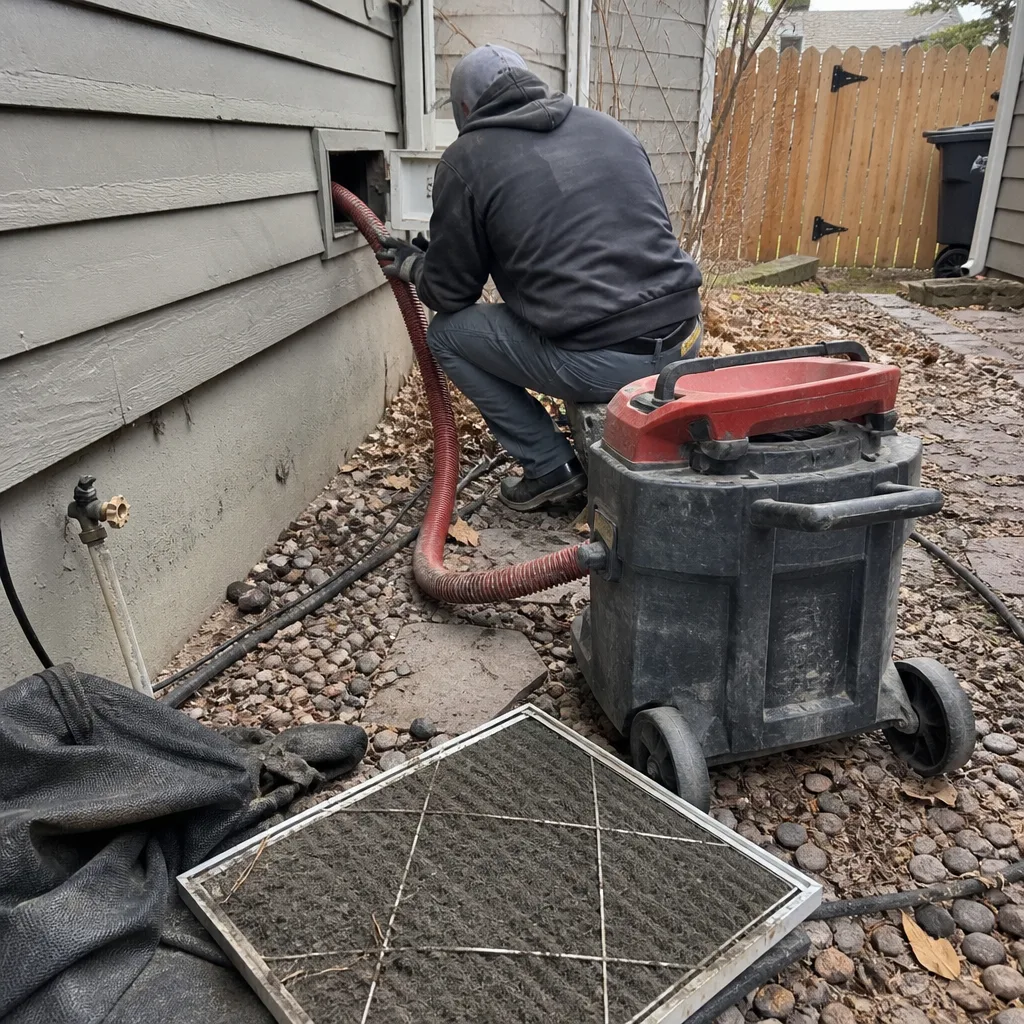 Before
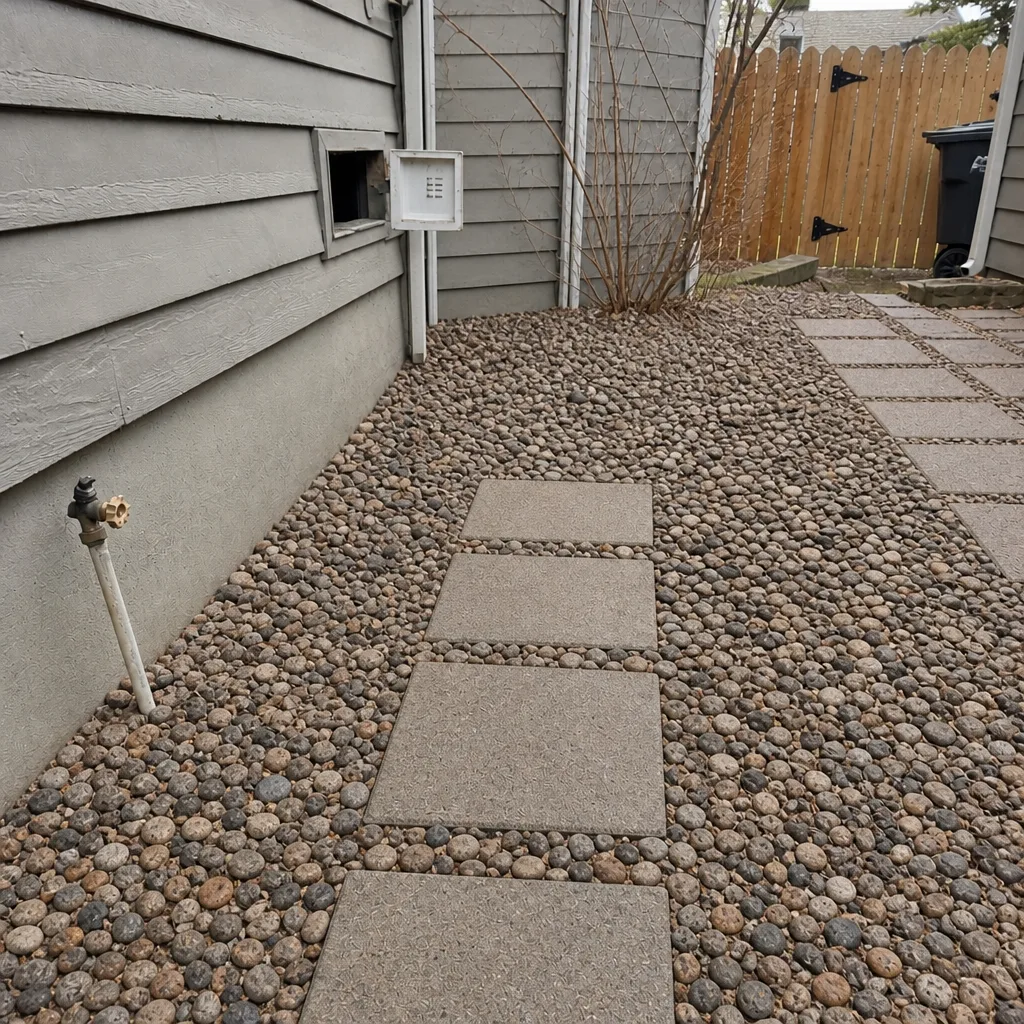 After
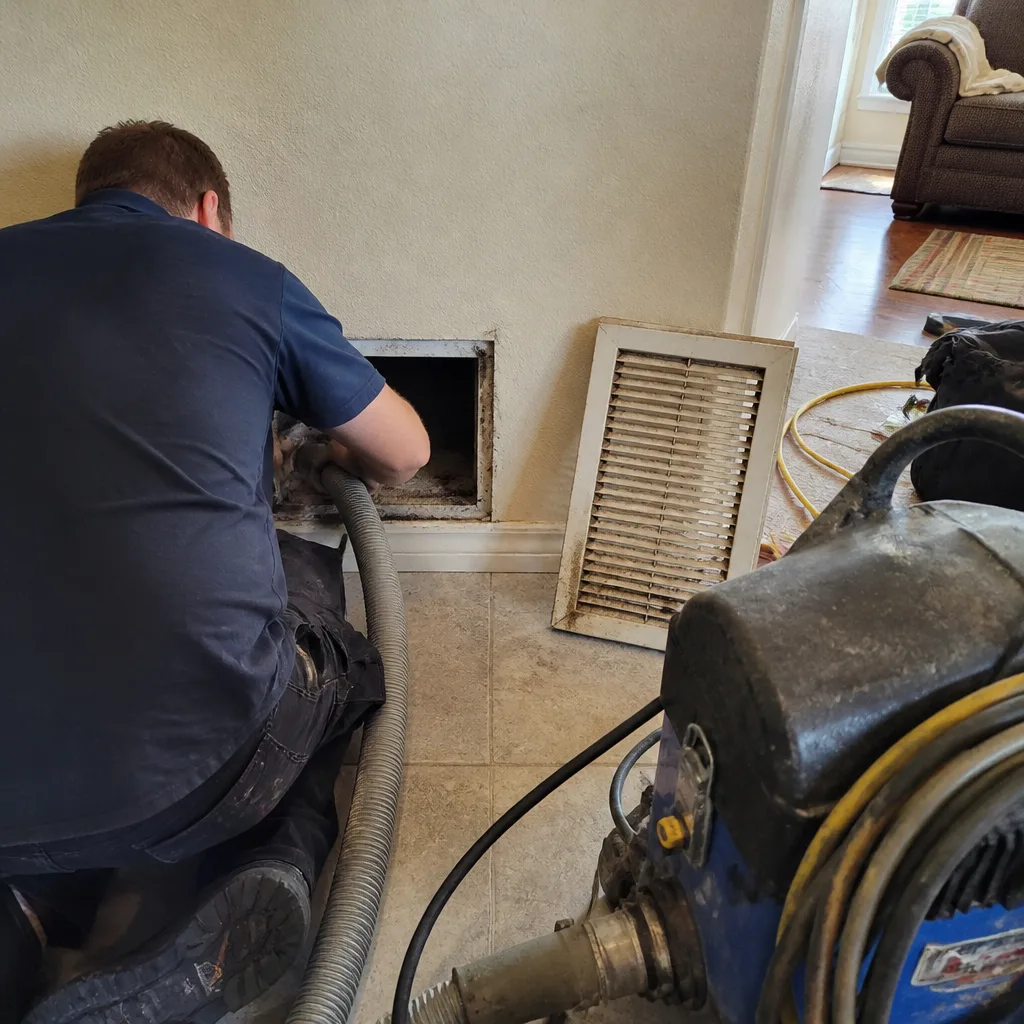 Before
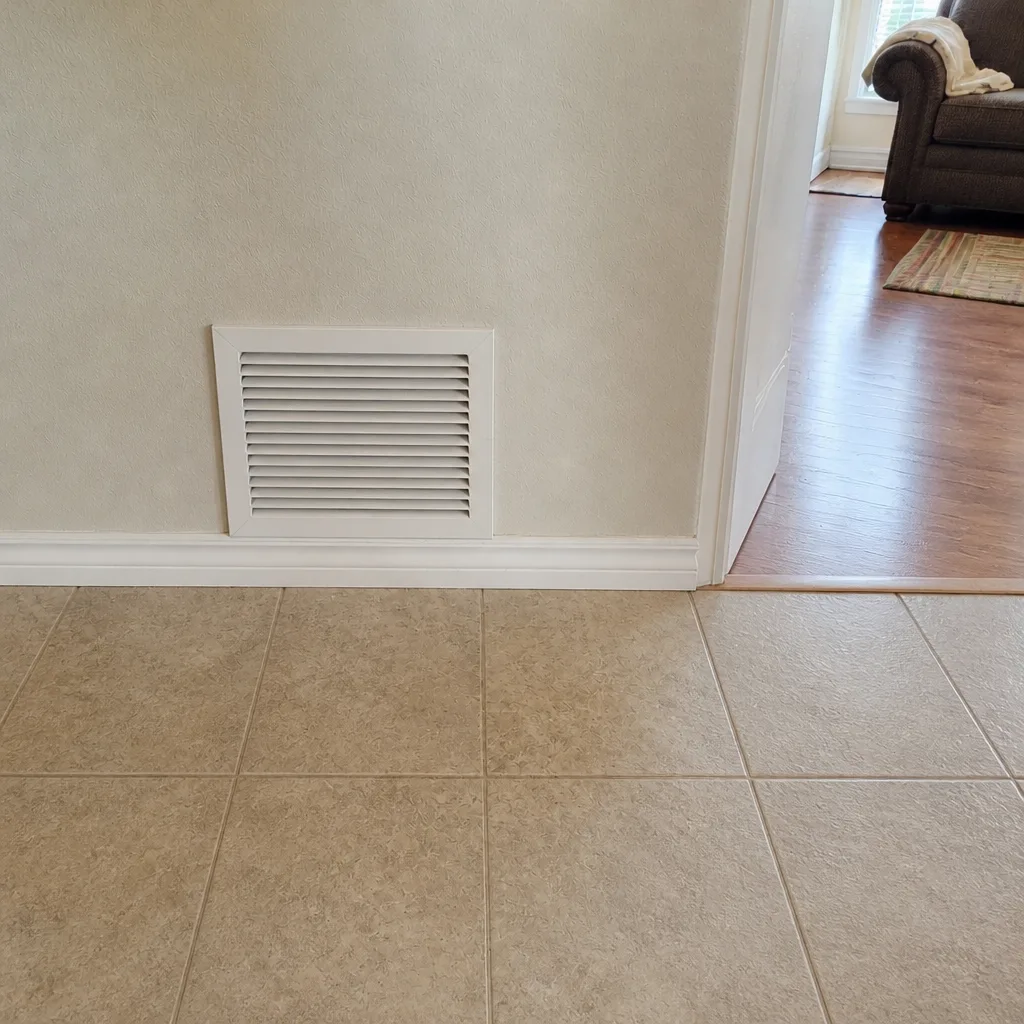 After
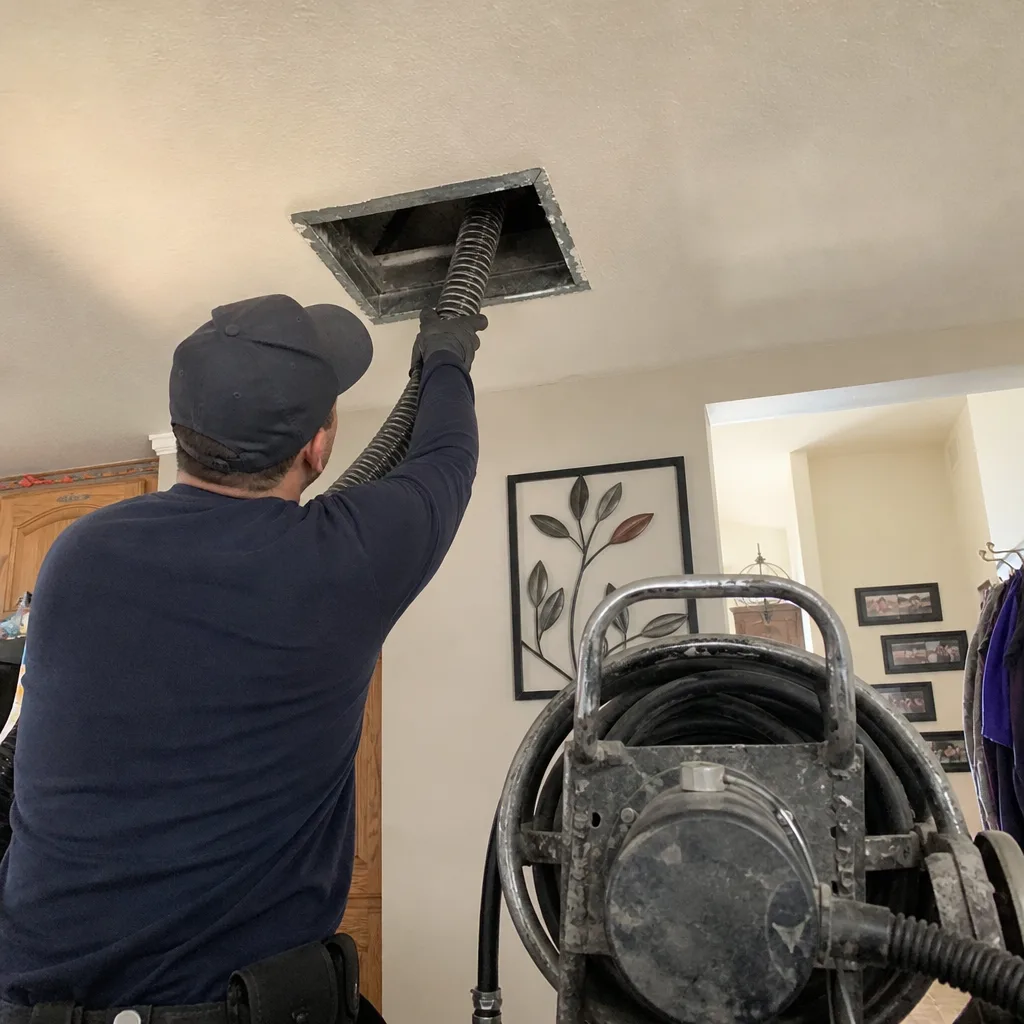 Before
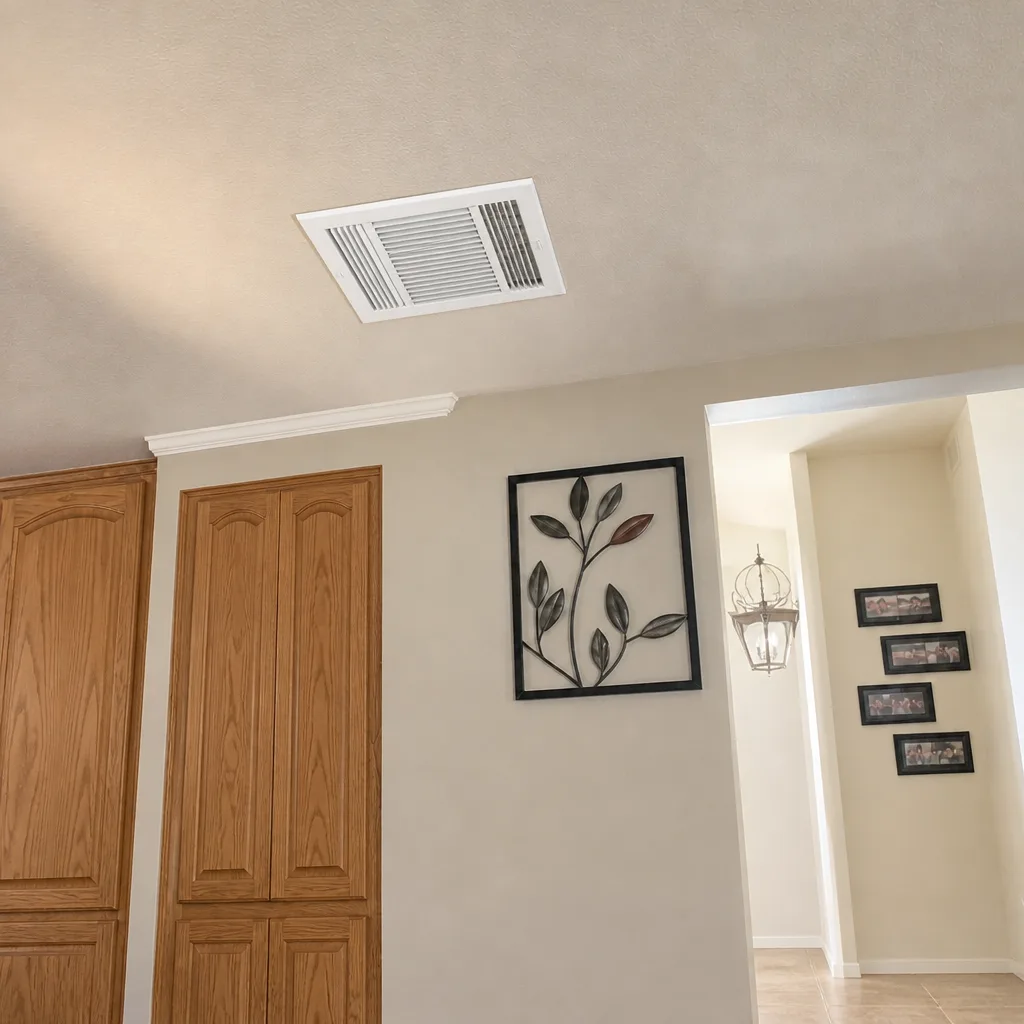 After
Common Mistakes to Avoid
- Cleaning in January because it’s the start of the year. That timing means you clean before the smoke, wind, and construction dust have done their damage, and five months before the heavy heating season. It’s the wrong sequence for Boulder.
- Cleaning in spring because the wind kicked up. The deposits are still arriving. Clean up the filter and address the source, then clean in the fall when the load is settled.
- Skipping the visual inspection and just vacuuming the accessible runs. A disconnected duct joint or a crushed section isn’t fixed by cleaning it. It needs air duct repair, and it’s worth being specific about that when you book.
- Replacing the filter but skipping the whole-home unit. If you have a Honeywell or Aprilaire whole-home system, the cartridge at the air handler is a separate filter from the return grille you see. Most homeowners forget it exists until the system starts struggling.
- Hiring by price per vent. The lowest per-vent bid in Boulder is usually a consumer-grade vacuum passed off as a duct-cleaning rig, and the work isn’t the contact cleaning the duct lining actually needs. Ask what equipment the contractor uses before you book.
- Ignoring the dryer vent. Dryer vent lint is a documented fire-hazard concern, not a convenience item. If it’s been more than a year, put it on the log for the fall visit.
- Running the fan continuously during a smoke event. Constant fan pulls outdoor air into the system through normal envelope leakage and pushes it into the supply side. Let the system cycle normally through a smoke event and deal with the residue afterward.
When to Call a Professional
Call a professional when a visual inspection turns up a disconnected or crushed duct section, when you’re seeing visible particle discharge from a supply register during normal operation, when a smoke event has left a persistent smell at the registers after a filter change, or when a whole-home filtration system needs service you can’t diagnose. Schedule the annual cleaning for the fall window if you want the best value out of the appointment. If you’re seeing moisture or mold-like growth at registers or on flexible duct lining, call right away; that’s a contamination-level scope that goes beyond routine cleaning.
Boulder Duct Cleaning offers free estimates in Boulder. Call (877) 550-7147. We answer 24/7. Fast dispatch from 7am to 7pm, Sunday through Friday.
Frequently Asked Questions
Fall, typically October through November, is the highest-value window in Boulder. The system has accumulated the smoke, wind particulate, and renovation dust of the previous eight months, and the heating season is about to start. Cleaning before the heating season runs hard means the system starts clean instead of cycling old particulate for five months.
Once a year is a reasonable baseline for most Boulder homes, timed to the fall. Homes near recent construction, homes with pets, homes with anyone in the household sensitive to airborne particulate, and homes that have been through a major smoke event may want to move to a spring-and-fall pattern. The maintenance log is what makes this call based on evidence rather than guesswork. Call (877) 550-7147 for a free estimate and we can talk through your specific situation.
The cheap quote is usually cheap because the equipment is a consumer-grade vacuum, not a professional negative-air machine, and the cleaning is a brush pass rather than contact cleaning of every run. Two contractors can both say “duct cleaning” and mean very different work. Ask what equipment they use and whether it’s contact cleaning. We use Rotobrush for contact cleaning and Nikro negative-air machines for HEPA protection on every job, and we’ll walk you through the process before we start.
The price depends on the size of the system, the number of runs, and whether repair work is needed, which is why we set the price per job by written estimate after we’ve seen the system, rather than quoting a flat number over the phone. That’s also why we don’t do per-vent pricing. Call (877) 550-7147 for a free estimate; the estimate is free and the price is set per job by the written estimate.
It can remove the residual particulate that’s causing the smell, which is often most of the problem after a fire season event. The first step is a filter replacement. If the smell persists at the registers after a fresh filter, professional cleaning with HEPA negative-air protection is the right next step. If the smoke event was severe, we may use Abatement Technologies equipment beyond the routine cleaning scope. Call and we can talk through what your home is experiencing.
Ask for before-and-after photos of your own ducts, not a representative photo of someone else’s house. Any contractor with proper equipment can produce those. If a contractor can’t show you what they found before they started and what it looked like after they finished, that’s a red flag. We photograph before and after on every job, and we walk through anything we find during the inspection before we start work.
Cleaning removes accumulated particulate from the duct interior. Repair fixes structural problems: disconnected joints, crushed sections, sections that have pulled away from a boot. Cleaning around a disconnected duct doesn’t fix the disconnect, and the duct will keep dumping air into the crawlspace until it’s actually repaired. We offer both as separate services because they’re separate problems.
Yes. We’re trained on both brands, and we can service the filtration unit at the air handler as part of a routine call. These systems are worth knowing about because they do a lot of the heavy work in a Boulder home, and forgetting the cartridge replacement is one of the most common maintenance misses we see. Call (877) 550-7147 if you’d like us to look at yours.
The Bottom Line
Year-round duct care in Boulder is a sequence of four seasonal tasks, not one annual appointment. Winter is for visual inspection of flex duct joints in unconditioned spaces. Spring is for filter upgrades and addressing renovation dust before the deposits settle. Summer is for the filter-first decision tree after a smoke event. Fall is the highest-value professional cleaning window of the year. Track all four in a simple maintenance log, and hand that log to whatever contractor you hire so the next appointment starts with facts instead of guesses. If you’re ready to schedule the fall cleaning or want a professional to look at what your system is doing this season, call Boulder Duct Cleaning at (877) 550-7147. We answer 24/7. Fast dispatch from 7am to 7pm, Sunday through Friday. The estimate is free. We clean and we repair.
Written by the team at Boulder Duct Cleaning.