
Last updated November 15, 2026
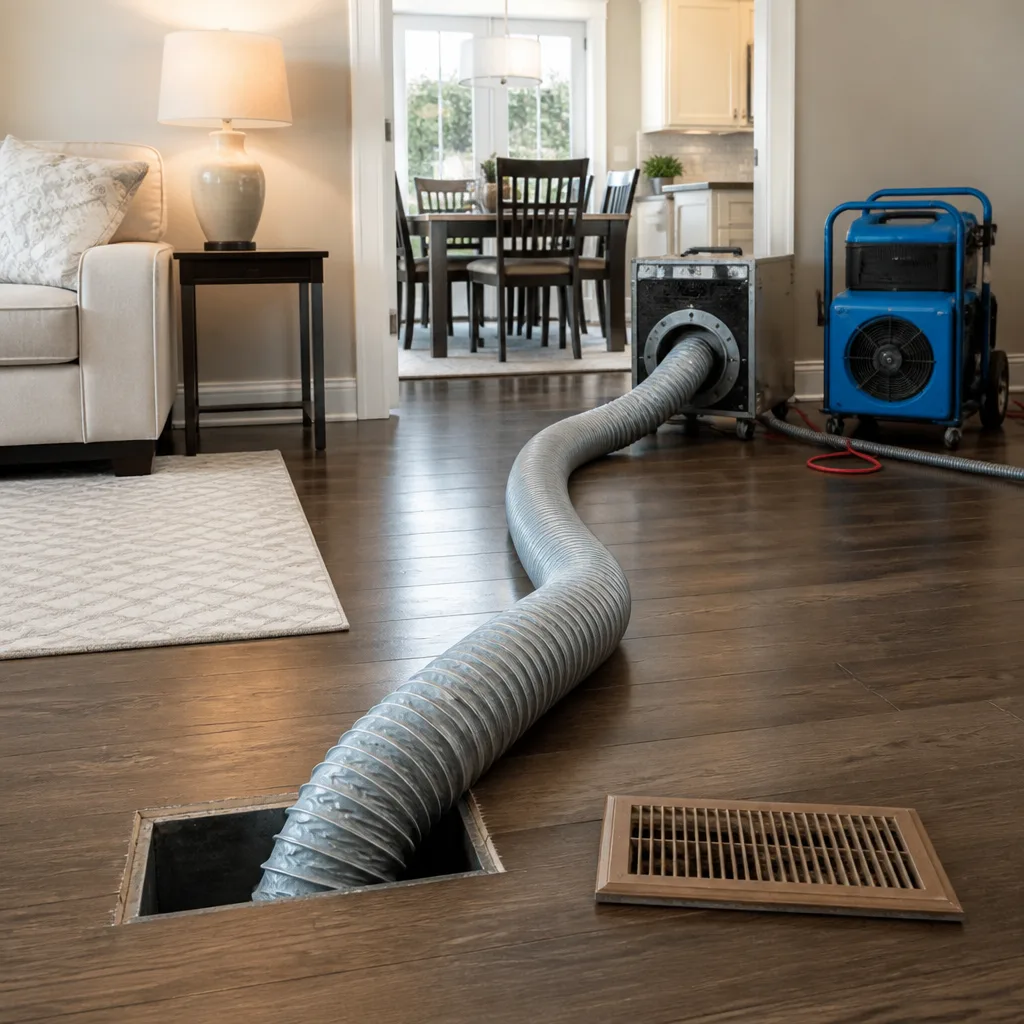 Whole-home duct cleaning
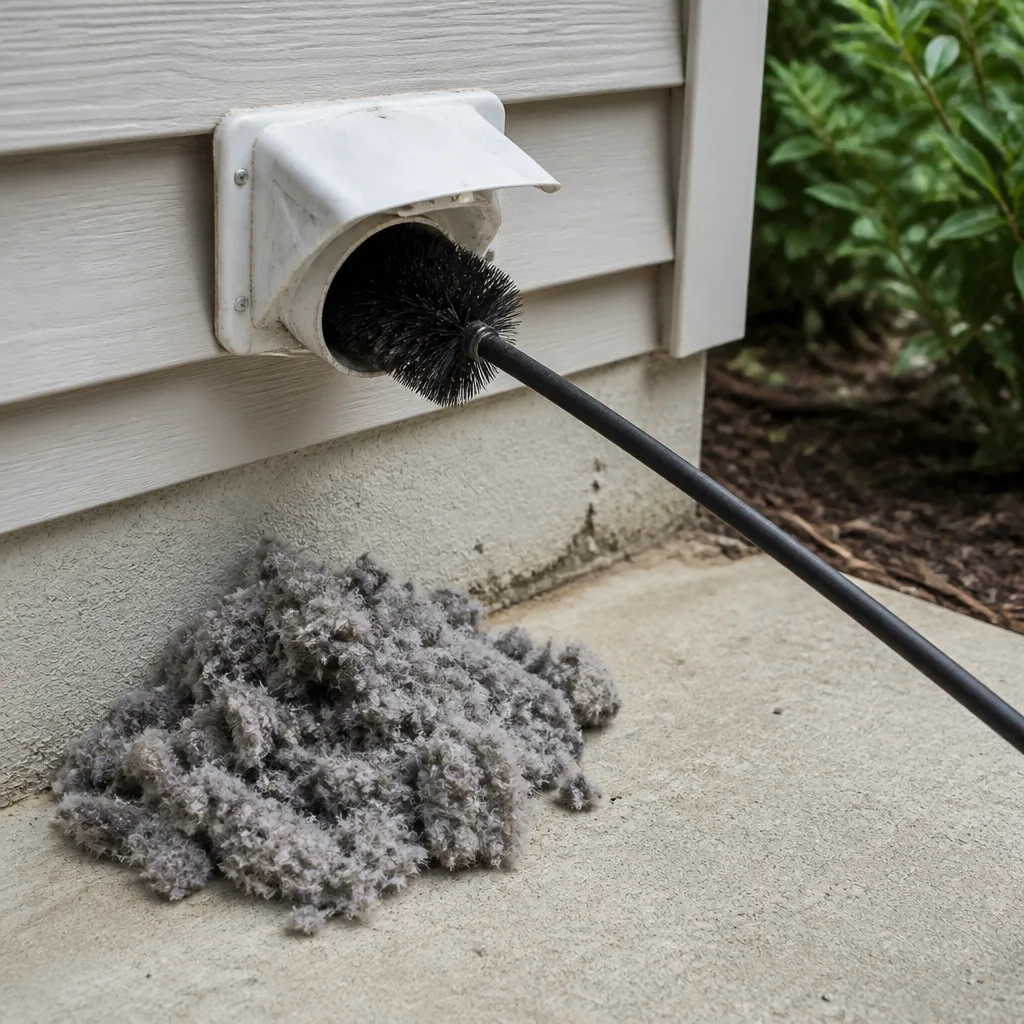 Dryer vent cleaning
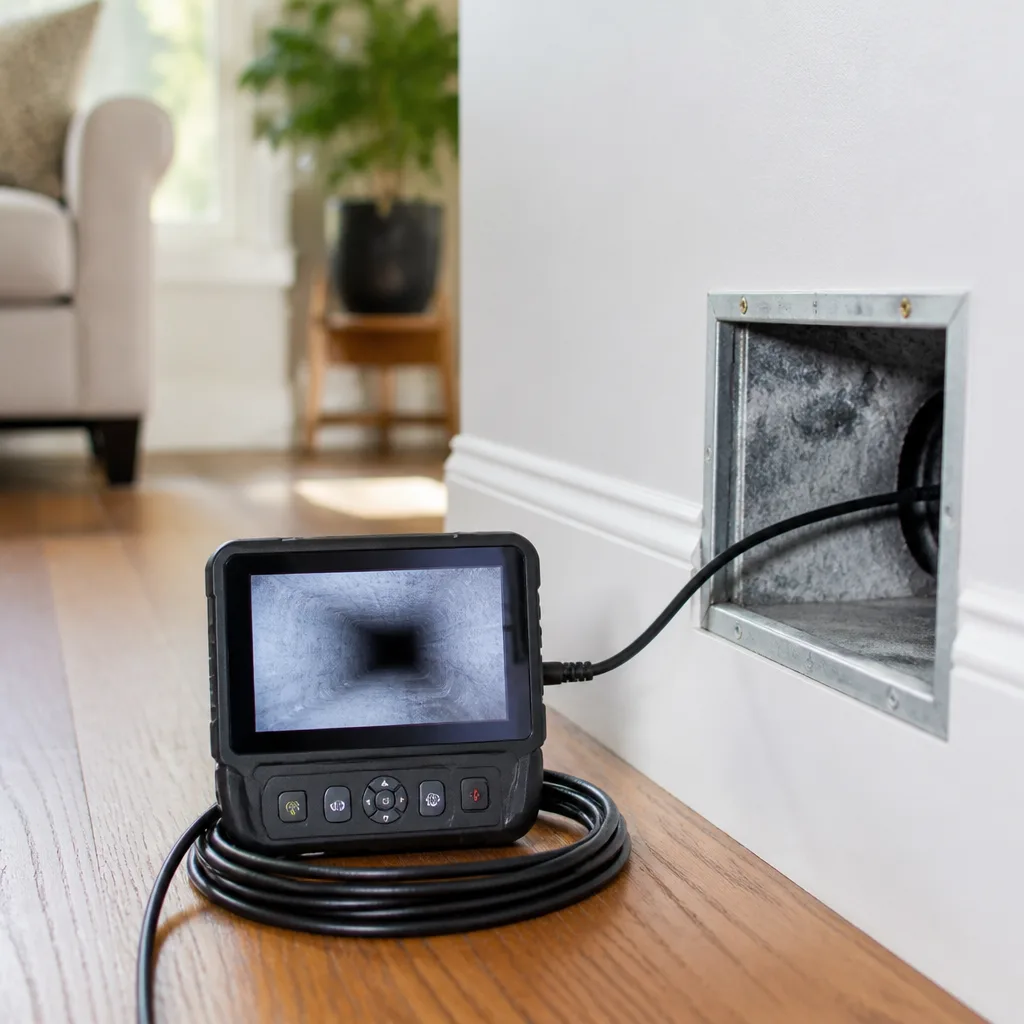 Camera inspection
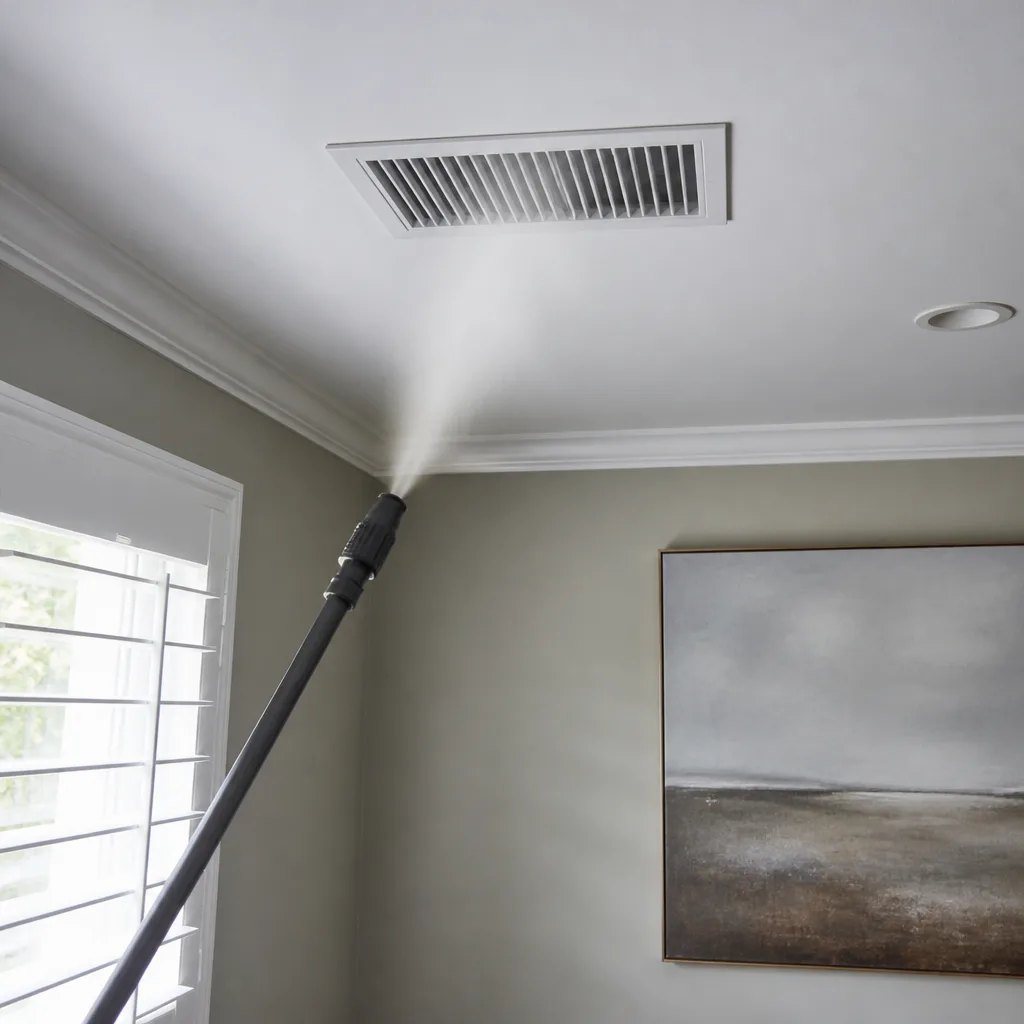 Sanitizing & deodorizing
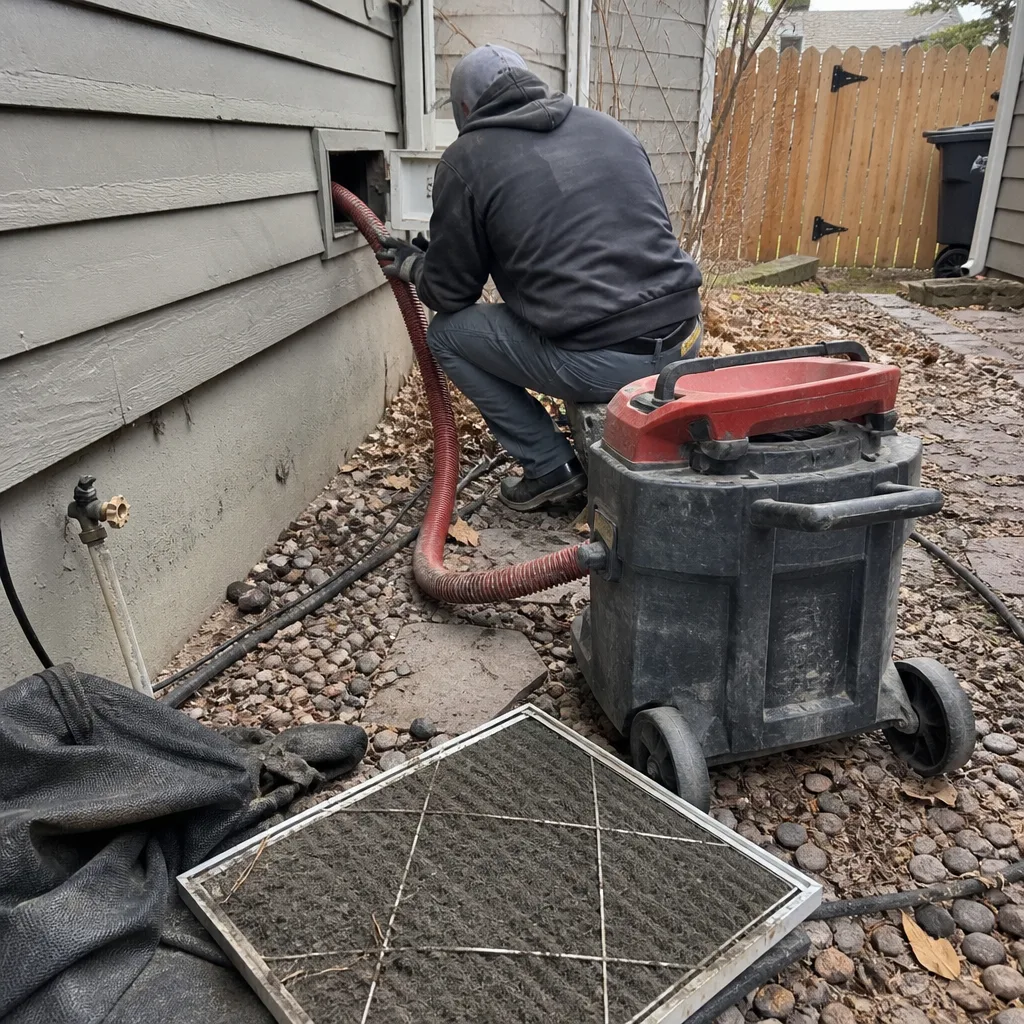
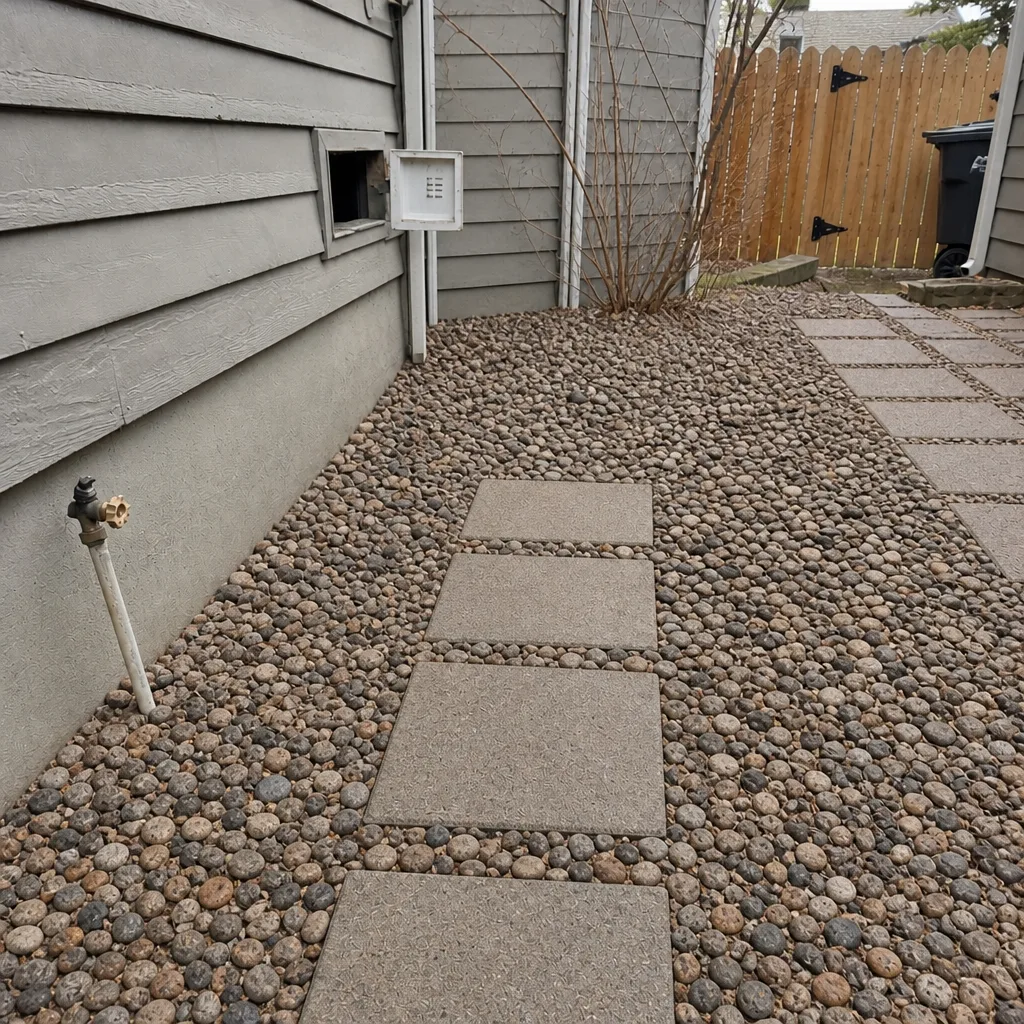
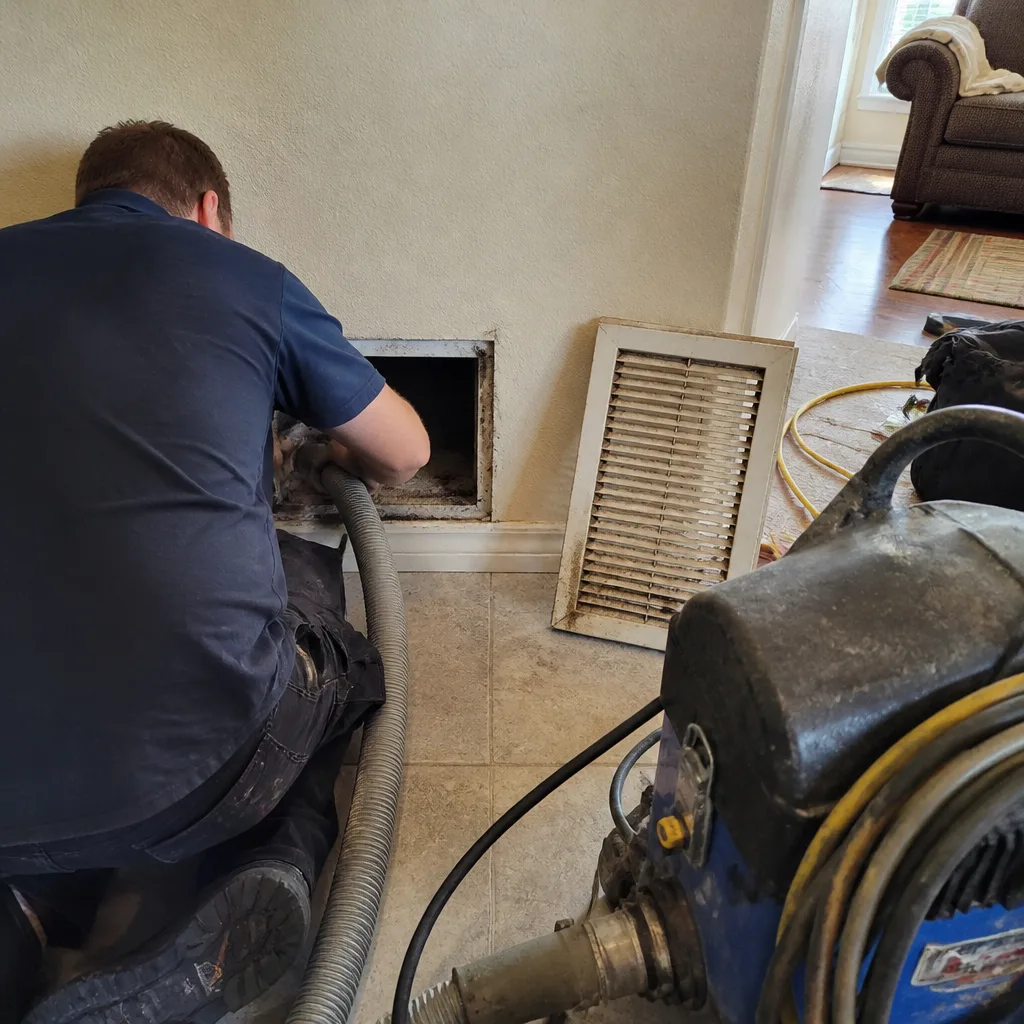
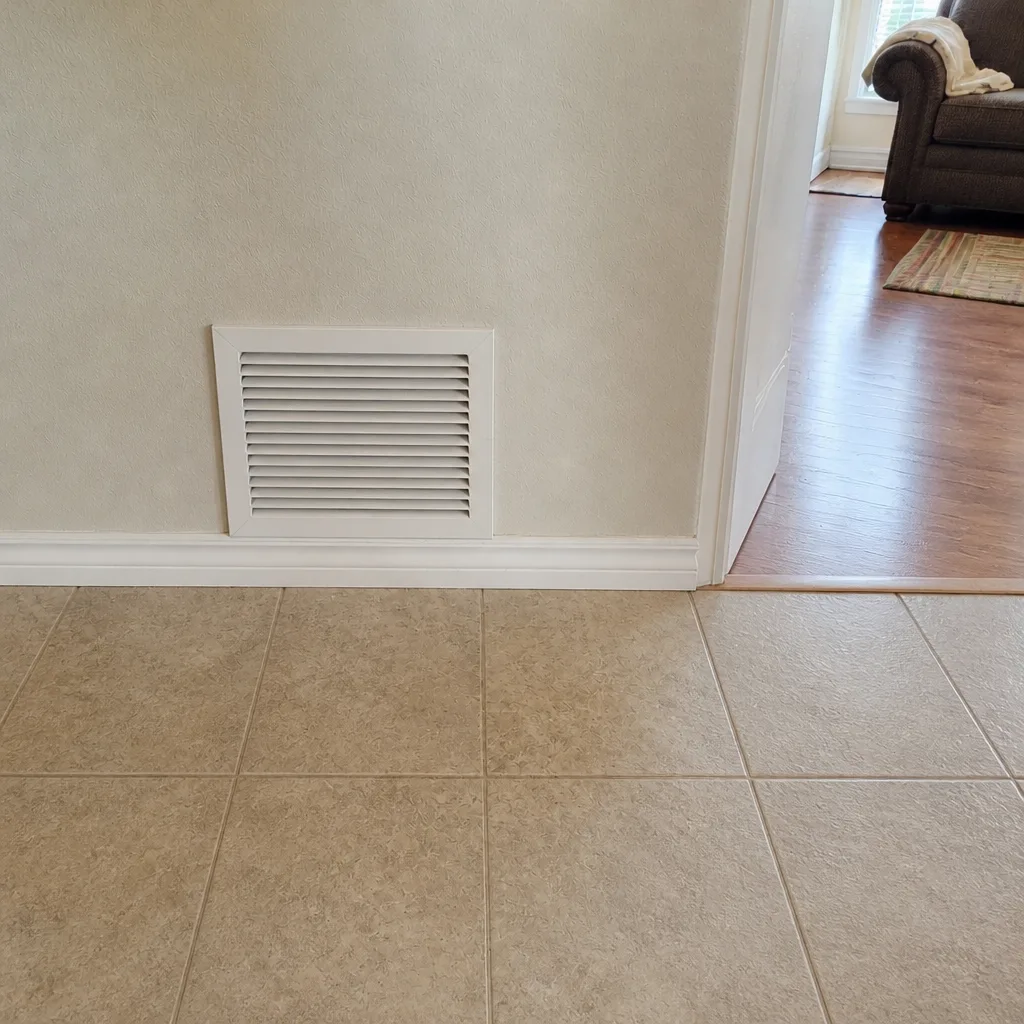
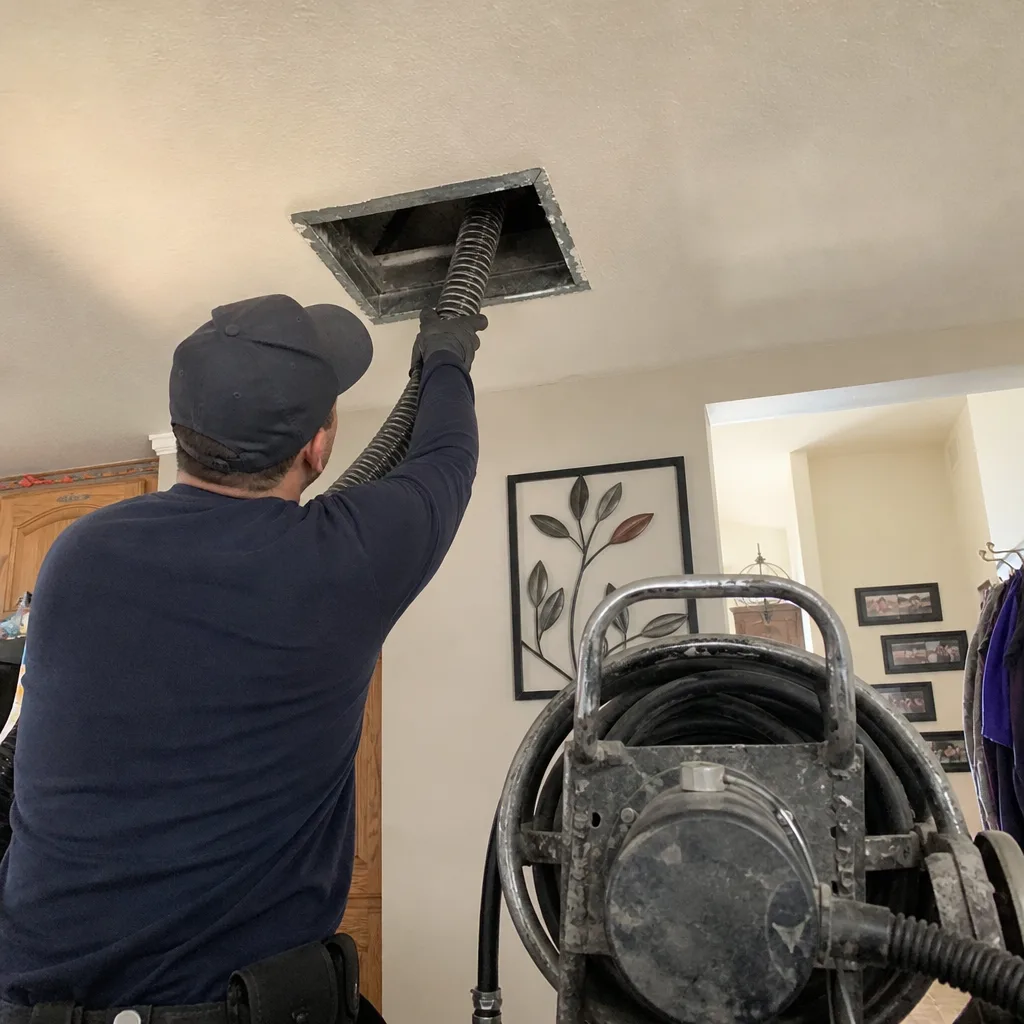
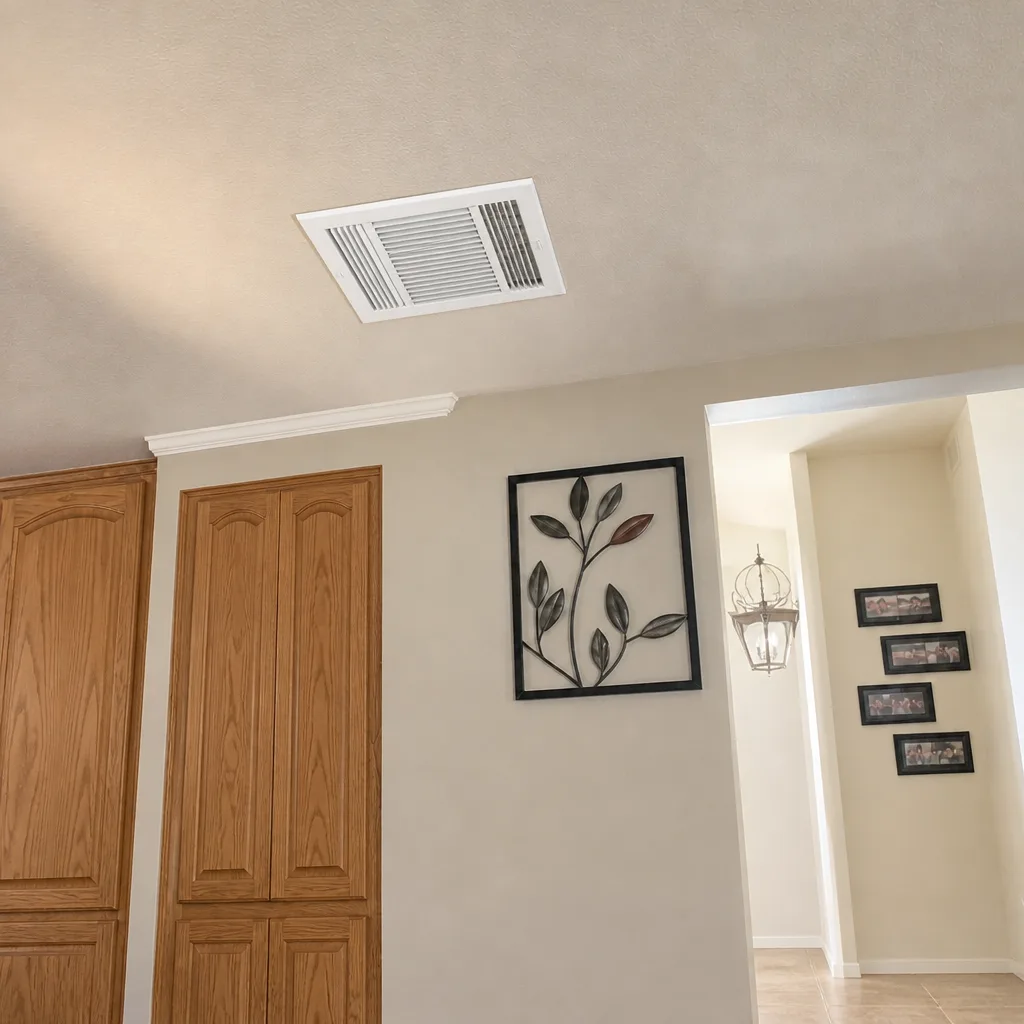
Whole-system duct and dryer vent check with before-and-after photos - you see exactly what came out of your vents
That "$99 whole-house special" is a bait ad - the real number appears once they are in your hallway, or the "clean" is a shop-vac at the register. We photograph the inside of your ducts before and after instead.
DIY vs Professional Air Duct Cleaning: The Boulder Homeowner’s Decision Guide
Most homeowners asking whether they can clean their own ducts assume the question is about effort or money. It isn’t. The real question is whether the equipment in your garage can physically reach and remove what’s sitting in your ductwork, or whether it will just stir that material into the air your family breathes. A $60 dryer vent brush and a shop-vac can genuinely clean an accessible register boot and the first few feet of a branch run, and that work is worth doing. Apply the same tools to a long main trunk run and you’ll agitate fine debris without capturing it, temporarily making indoor air worse. This guide draws a clear technical line between the DIY jobs that work and the ones that don’t, with specific attention to what Boulder homes face after wildfire smoke seasons.
Styles & brands we work with
- Whole-home duct cleaning
- Dryer vent cleaning
- Camera inspection
- Sanitizing & deodorizing
Quick Answer
DIY air duct cleaning is effective for three narrow tasks: cleaning accessible register covers and boots, clearing a short dryer vent run, and reaching the first few feet of a branch duct. It is not effective for main trunk lines, plenum connections, or any ductwork containing fine particulate, because consumer vacuums move a fraction of the airflow that professional negative-pressure equipment does. For a 2,000 square foot Boulder home with more than surface-level dust, professional cleaning with contact agitation and HEPA-filtered negative-air capture is the only method that improves air quality instead of redistributing debris.
Table of Contents
- What consumer equipment can and cannot do
- The three duct cleaning tasks where DIY genuinely works
- The compressed-air mistake that makes indoor air worse
- Wildfire smoke particulate and the Boulder DIY risk
- An honest cost comparison for a 2,000 sq ft home
- How professional cleaning actually works, step by step
- The repair gap: what cleaning alone can’t fix
- Common mistakes to avoid
- When to call a professional
- Frequently asked questions
- The bottom line
What Consumer Equipment Can and Cannot Do
The performance gap between a shop-vac and professional duct cleaning equipment comes down to airflow, measured in cubic feet per minute. A standard 6-horsepower shop-vac moves somewhere in the range of 150 to 200 CFM at the hose, and that number drops quickly as the hose lengthens. Professional duct cleaning relies on negative pressure of roughly 1,500 to 4,000 CFM maintained at the plenum, which is the standard described in NADCA ACR 2021, the industry’s assessment, cleaning, and restoration standard. That’s a difference of an order of magnitude, and it changes what the machine can actually accomplish.
Here’s what each tool can and cannot do in a real Boulder home:
- Shop-vac: Can pull loose dust and debris from register openings and the first few feet of a straight branch run. Cannot generate enough negative pressure to pull material from a 20- or 30-foot main trunk, and cannot hold fine particulate if the filter isn’t true HEPA.
- Dryer vent brush kit: Effective on short, straight vent runs under 15 feet. Cannot negotiate multiple 90-degree elbows, can’t dislodge compacted lint, and cannot verify whether every section of vent is clear.
- Compressed air or leaf blower: Agitates debris effectively, which is exactly the problem when there’s no simultaneous capture. This is the most common and most counterproductive DIY tool in the box.
- Consumer HEPA vacuum: Captures particles in the airstream it pulls, but the airflow limitation still applies. A HEPA canister is a helpful complement to register cleaning and useless on a main trunk line.
The critical distinction is contact cleaning plus capture. Professional systems like Rotobrush use a rotating contact brush that physically dislodges debris from duct walls while a negative-air machine pulls that loosened material into a HEPA-filtered collection unit. Cleaning without contact agitation leaves the adhered layer on the walls. Agitation without capture dumps it into the living space. Both halves of the process matter, and neither can be replicated with consumer tools.
The Three Duct Cleaning Tasks Where DIY Genuinely Works
There are real jobs a homeowner can do, and doing them makes your home cleaner and your professional cleaning more effective when you eventually book it. Here’s the honest list.
- Register and boot cleaning. Remove each floor, wall, and ceiling register cover with a screwdriver. Vacuum the grille on both sides with a brush attachment, then reach into the boot (the short transition piece between the register and the duct run) as far as your arm allows and vacuum the loose dust and debris inside. This is the most visible dust collection point in any home, and staying on top of it cuts down on the dust that gets blown back into rooms between cleanings.
- Dryer vent clearing under 15 feet. If your dryer vent exits the house within about 15 feet and has no more than one or two gentle bends, a vent brush kit on a drill can clear accumulated lint. This is worth doing, and it’s the safety-related DIY task on the list. Dryer vent cleaning is a fire-safety service, not just a convenience, and even a short run accumulates enough lint over time to restrict airflow and raise fire risk. If the run is longer, has multiple elbows, or exits onto a roof, leave it alone and call a professional.
- Replacing accessible flex duct boots. If a boot section behind a register is visibly crushed, torn, or disconnected, a homeowner with basic hand tools can often replace that accessible segment. This is duct repair at the smallest scale, and it makes a genuine airflow difference at that one register. It does not address the ductwork beyond the boot.
Everything beyond those three tasks runs into the airflow wall. Long trunk runs, the supply plenum above the air handler, return ducts, and any run containing fine particulate require equipment the homeowner doesn’t have and can’t rent at a big-box store. If you want to see what professional-grade duct cleaning actually involves, our air duct cleaning page walks through the full process in detail.
The Compressed-Air Mistake That Makes Indoor Air Worse
The single most common DIY duct cleaning mistake is “blowing out” the ducts with compressed air, a leaf blower, or a shop-vac set to exhaust rather than suction, without simultaneous negative pressure capture at the other end. It feels productive. You can see dust billowing out of registers. What’s actually happening is that fine particulate that had settled on duct walls is now airborne inside your home, and it will stay suspended for hours.
Here’s the sequence, step by step, of why this goes wrong:
- Agitation loosens the adhered dust layer from the duct walls.
- Without sufficient negative pressure at the plenum or trunk end, nothing pulls that loosened material out of the system.
- Return air and supply air push the suspended particles into living spaces through every open register.
- Fine particles under 10 microns, and especially those under 2.5 microns, stay suspended for hours and penetrate deep into the respiratory tract.
- You’ve now got a house with higher airborne particulate than before you started, and the ducts still contain most of the debris.
This is the reason professional setups pair a contact agitation tool with a HEPA-filtered negative-air machine running simultaneously. Rotobrush systems are built around this principle, and Abatement Technologies equipment takes it further for contamination-level situations. If you can’t capture what you agitate, don’t agitate.
Wildfire Smoke Particulate and the Boulder DIY Risk
Boulder sits on the Front Range, at the edge of the wildland-urban interface, and has experienced repeated wildfire smoke seasons over the past decade. That matters for duct cleaning in a way it doesn’t in most of the country. The fine ash and combustion byproducts that settle into ductwork during a smoke event are not the same as ordinary household dust. They’re smaller, they’re more easily re-suspended, and they’re less easily trapped by a standard vacuum filter.
What this means practically for a Boulder homeowner considering DIY:
- The ash that settles in ducts after a smoke event is largely in the sub-2.5-micron range, the size fraction that a non-HEPA shop-vac filter passes right through.
- Any agitation (brushing, blowing, vacuuming with insufficient filtration) re-suspends that material into the living space.
- Boulder’s dry, windy spring weather and the seasonal dust that comes with it compound the problem. Dust events and smoke events both leave fine particulate in ducts, and neither is safely removed with consumer tools.
- Homes with forced-air heating and cooling systems in neighborhoods like North Boulder, Table Mesa, and Gunbarrel see this most clearly, simply because the systems move more air through more square footage and accumulate more material.
- Whole-home filtration systems (Honeywell and Aprilaire are the two most common in Boulder homes) are only as effective as the ductwork feeding them. A system pulling air through debris-laden ducts is working against itself.
HEPA capture is the line that separates a real cleaning from a redistribution event. A true HEPA filter traps 99.97% of particles at 0.3 microns, which is exactly the size range that matters for wildfire ash. A shop-vac with a standard paper or foam filter does not, and a “HEPA-like” filter is not the same thing. For a Boulder home that’s been through a smoke season, the case for professional capture is stronger than in most markets.
An Honest Cost Comparison for a 2,000 Square Foot Home
The DIY-vs-professional math looks very different depending on what you’re actually trying to accomplish. A DIY surface cleaning and a professional NADCA-compliant cleaning are not the same product, so comparing their costs directly is misleading. Here’s the honest breakdown for a typical 2,000 square foot Boulder home with a forced-air system.
DIY supplies for a surface-level cleaning
- Shop-vac with HEPA filter conversion: $80-$200
- Dryer vent brush kit for the short vent run: $25-$60
- Register brush attachment and hand tools: $20-$40
- Replacement flex duct boot segments (if needed): $10-$30 per boot
- Total DIY investment: roughly $150-$350 in tools you keep
What professional cleaning covers
- Full negative-pressure setup at the plenum with HEPA filtration
- Contact agitation of every accessible trunk, branch, and supply/return run
- Register, boot, and plenum cleaning
- Before-and-after photo documentation of your own ducts
- Inspection for damaged or disconnected ductwork and repair recommendations
- Optional Guardsman protective treatments or whole-home filtration service for Honeywell and Aprilaire systems
Professional cleaning for a 2,000 square foot home typically runs in the several-hundred-dollar range for a whole-system job, with the final price set by a written estimate after the technician sees the system. The DIY total above sounds cheaper, but it buys a surface-level result: registers, boots, and the first few feet of branch runs. It does not buy a main trunk run cleaned with contact agitation and HEPA capture, and for a Boulder home that’s been through a smoke season, that’s the part that matters. If your motivation is maintaining visible cleanliness and clearing a short dryer vent, DIY makes sense. If your motivation is indoor air quality after a smoke event, a renovation, or a new-to-you home, the professional job is the one that accomplishes that goal.
How Professional Cleaning Actually Works, Step by Step
Understanding the professional process helps you evaluate whether a quoted job is legitimate. A real duct cleaning is a sequence, not a single pass with a vacuum, and the sequence is what delivers the result.
- System assessment. The technician identifies the system layout, counts the registers, locates the air handler and plenum, and notes any damaged, disconnected, or inaccessible sections. This is when a cleaning estimate turns into a repair estimate if needed.
- Negative pressure established. A HEPA-filtered negative-air machine is connected at the plenum or a main trunk, creating a controlled low-pressure zone throughout the system. This is the machine the whole job depends on.
- Contact agitation run. A rotating contact brush tool is fed through each accessible run, physically dislodging adhered debris from duct walls. The negative pressure captures what the brush loosens. This runs run by run, not all at once.
- Register and boot cleaning. Each register cover is removed and cleaned; each boot is cleaned and inspected for damage.
- Air handler and plenum cleaning. The most debris-dense part of most systems and often the most neglected in cheap “duct cleaning” jobs.
- Before-and-after documentation. Photos of your own ducts, not stock images, taken during the job. Any honest operator should be able to show you what was there and what came out.
- Reconnection and verification. Registers reinstalled, system tested, airflow verified.
For contamination-level situations (visible mold growth, rodent contamination, heavy wildfire ash, or renovation dust), Abatement Technologies equipment extends the capture capability beyond what a routine cleaning setup provides. This is the tier of equipment that restoration contractors use, not the tier that discount duct cleaners use. If you’re comparing quotes, ask what machine they run and whether it’s HEPA-rated. The answer tells you most of what you need to know.
The Repair Gap: What Cleaning Alone Can’t Fix
Cleaning addresses dust and debris. It does not address ductwork that’s damaged, disconnected, crushed, or improperly sized. That gap matters, and it’s the reason Air Duct Repair is a separate service from cleaning and not something to postpone. A home can have perfectly clean ducts and still distribute dust, pull return air from an attic, or under-deliver airflow to half its rooms because of a disconnected boot or a crushed flex run.
The most common repair issues we find in Boulder homes:
- Disconnected or partially detached flex duct boots behind registers, leaking supply air into wall cavities or crawlspaces
- Crushed flex duct runs, often from renovation work or improper installation, that reduce airflow and create dust traps
- Torn or degraded duct insulation, common in older homes with aging flex runs
- Loose plenum connections at the air handler, which leak the most debris-laden air in the system
- Poorly sealed joints that draw return air from unconditioned spaces
If a home has any of these, a cleaning-only operator will clean around them and leave them in place. Every subsequent cleaning visit cleans a system that still has the underlying problem. This is where working with an operator that both cleans and repairs makes a real difference. For more on our approach to indoor air quality across Boulder, our full service overview covers what we do and how we do it.
Common Mistakes to Avoid
- Using a non-HEPA shop-vac as a duct cleaning tool. A standard shop-vac passes fine particulate right back into the air it just pulled from the duct, which is worse than doing nothing in homes with fine dust or smoke ash. Convert to true HEPA or skip the task.
- Blowing ducts out without capture. Agitating with compressed air or a leaf blower with no simultaneous negative pressure at the plenum spreads debris throughout the living space and leaves most of it in the ducts.
- Ignoring the dryer vent because it “still works.” A dryer that dries clothes in two cycles instead of one is a warning sign, not a coincidence. In a Boulder home with a longer-than-15-foot run or a roof exit, that’s a professional job.
- Buying a $79 whole-house duct cleaning coupon. That price doesn’t cover a real cleaning with proper equipment. It covers a quick vacuum of the registers and boots, often with a shop-vac, and it’s how most bait-and-switch duct cleaning quotes are constructed.
- Assuming “clean-looking” registers mean clean ducts. Registers get dust first and cleanest. The plenum and main trunk hold far more debris and are completely invisible from inside the house.
- Cleaning ducts without inspecting them. Every cleaning is a chance to find a disconnected boot or crushed run that’s leaking air into a crawlspace. Skipping inspection wastes the visit.
- Prioritizing a cleaning when a repair is what’s needed. If your ducts are leaking or disconnected, cleaning first just means cleaning a system that will be full of dust again as soon as it’s back in operation.
When to Call a Professional
Call a professional rather than reaching for the shop-vac when any of these apply: your home has been through a wildfire smoke event and you can smell or feel the difference in the air; you’ve recently completed a renovation that produced fine dust; you’re moving into a home and don’t know its cleaning history; anyone in the house has allergies or asthma that worsen indoors; your dryer takes two cycles to dry a load; you’ve never had the ducts inspected and the home is more than a few years old; you suspect a disconnected boot or a crushed run; or you have a Honeywell or Aprilaire whole-home filtration system that isn’t performing the way it used to. In any of those cases, the correct next step is an inspection and a written estimate, not a DIY attempt. Boulder Duct Cleaning offers free estimates in Boulder. Call (877) 550-7147. We answer 24/7. Fast dispatch from 7am to 7pm, Sunday through Friday.
Frequently Asked Questions
A whole-system professional cleaning for a typical Boulder home is priced per job by a written estimate after the technician inspects the system. The final price reflects register count, system layout, accessibility, and whether repair work is needed alongside cleaning. It is a whole-system price, not a per-vent price, and the written estimate sets the final cost before any work begins. Call (877) 550-7147 for an exact quote. Estimates are free.
You can effectively clean register covers, register boots, and the first few feet of a branch run with a shop-vac, and doing so is worthwhile. You cannot effectively clean main trunk runs, the supply plenum, or the air handler with a shop-vac, because consumer vacuums move roughly 150-200 CFM where professional equipment maintains 1,500-4,000 CFM at the plenum. If your goal is whole-system cleaning, the equipment gap is the whole answer. Call (877) 550-7147 to talk through what your system needs.
DIY register and boot cleaning is safe and useful. DIY duct agitation (blowing air through ducts without capture) is not, and can temporarily increase airborne particulate in the home. The problem is most acute in homes with fine dust, wildfire ash, or a non-HEPA vacuum, because those particles re-suspend easily and stay airborne for hours. If you’re unsure which category your home falls into, call (877) 550-7147 for a free estimate.
Most homes don’t need duct cleaning on a strict schedule. Cleaning is warranted when there’s a specific reason: visible debris at registers, a recent smoke or renovation event, allergy symptoms that worsen indoors, a new-to-you home with unknown history, or rodent or mold contamination. A home in Boulder that’s been through wildfire smoke deserves a cleaning sooner than a home that hasn’t. Call (877) 550-7147 if you’re trying to figure out whether it’s time.
Cheap duct cleaning quotes are cheaper because they don’t include the work. A low coupon price typically covers only a superficial vacuum of registers and boots, often with consumer-grade equipment, and either escalates into a much larger invoice on site or leaves the main trunk and plenum untouched. Ask any operator what machine they use, whether it’s HEPA-rated, and whether they photograph your own ducts before and after the job. The answers tell you what you’re buying. Call (877) 550-7147 for a real whole-system estimate.
Before-and-after photos of your own ductwork, taken during the job, are the honest answer. A cleaning that can’t be documented usually can’t be verified. Ask for photos of the register boots, the plenum, and at least one main trunk run. If a technician can’t or won’t provide them, that’s a signal. Call (877) 550-7147 to book a cleaning with full documentation included.
Yes, if the vent run is longer than about 15 feet, has multiple elbows, or exits onto a roof. Dryer work still running is not evidence the vent is clear, and dryer vent cleaning is a fire-safety service, not a convenience add-on. Lint accumulation restricts airflow and creates the conditions for a vent fire, which is one of the leading causes of residential fires. Call (877) 550-7147 to schedule dryer vent cleaning as a standalone service.
The Bottom Line
DIY duct cleaning is genuinely useful for three tasks: register and boot cleaning, clearing a short dryer vent, and replacing an accessible flex duct boot. Everything else runs into an airflow wall that no consumer tool crosses. The professional cleaning that actually improves indoor air quality requires contact agitation and simultaneous HEPA-filtered negative pressure capture, which is the standard equipment setup we use with Rotobrush and Nikro systems. For a Boulder home that’s been through a wildfire smoke season, done a renovation, or recently changed hands, the case for professional cleaning is strong. For a home with clean registers and no specific trigger, DIY maintenance is the right call. The honest answer is that most Boulder homes fall somewhere in between, and the right next step is an inspection. Call (877) 550-7147 for a free estimate. We answer 24/7. Fast dispatch from 7am to 7pm, Sunday through Friday.
Ready to see what’s actually in your ducts? For Boulder Duct Cleaning service, an inspection and written estimate are the place to start. If your dryer vent is the concern, our dryer vent cleaning service handles it as the standalone fire-safety job it is. Call (877) 550-7147 to book a free estimate and get a clear answer on what your home needs.
Written by the team at Boulder Duct Cleaning.
See the difference
 Before
 After
 Before
 After
 Before
 After