
Last updated November 15, 2026
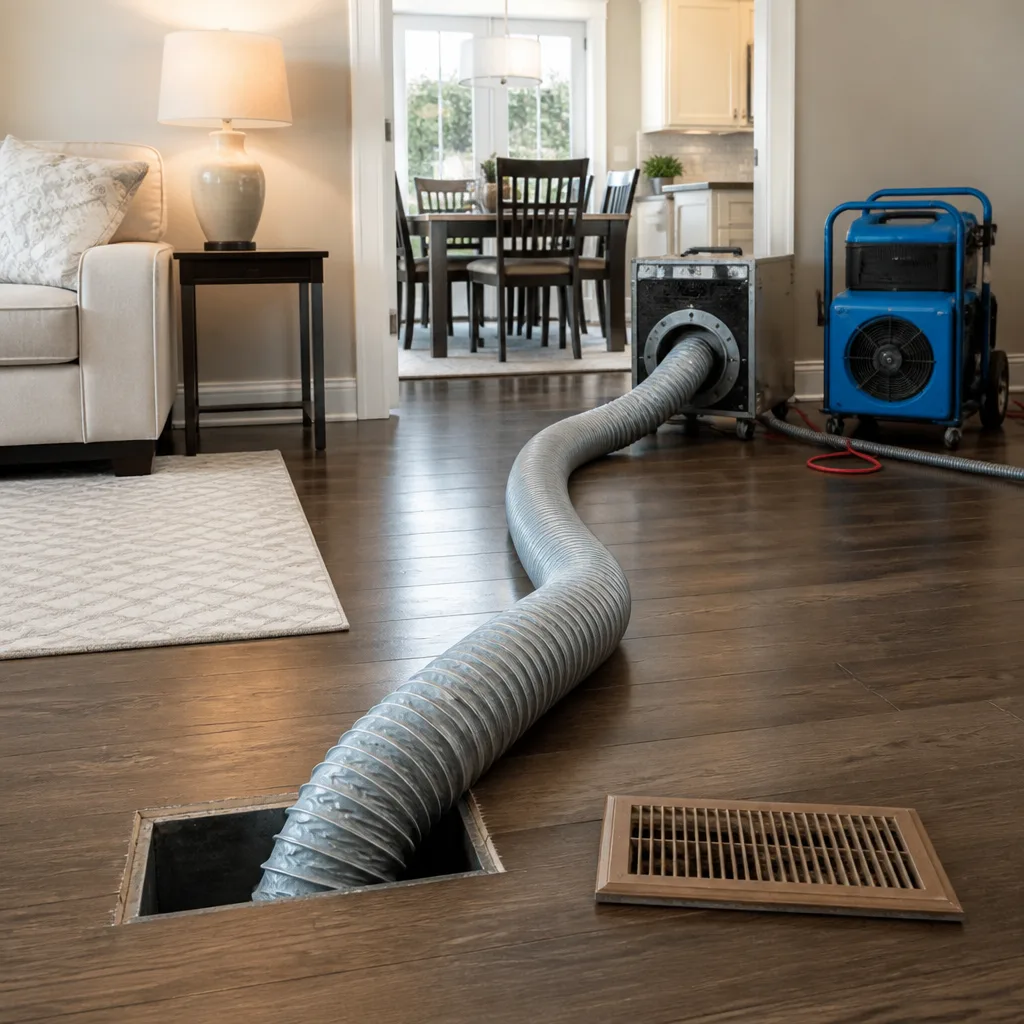 Whole-home duct cleaning
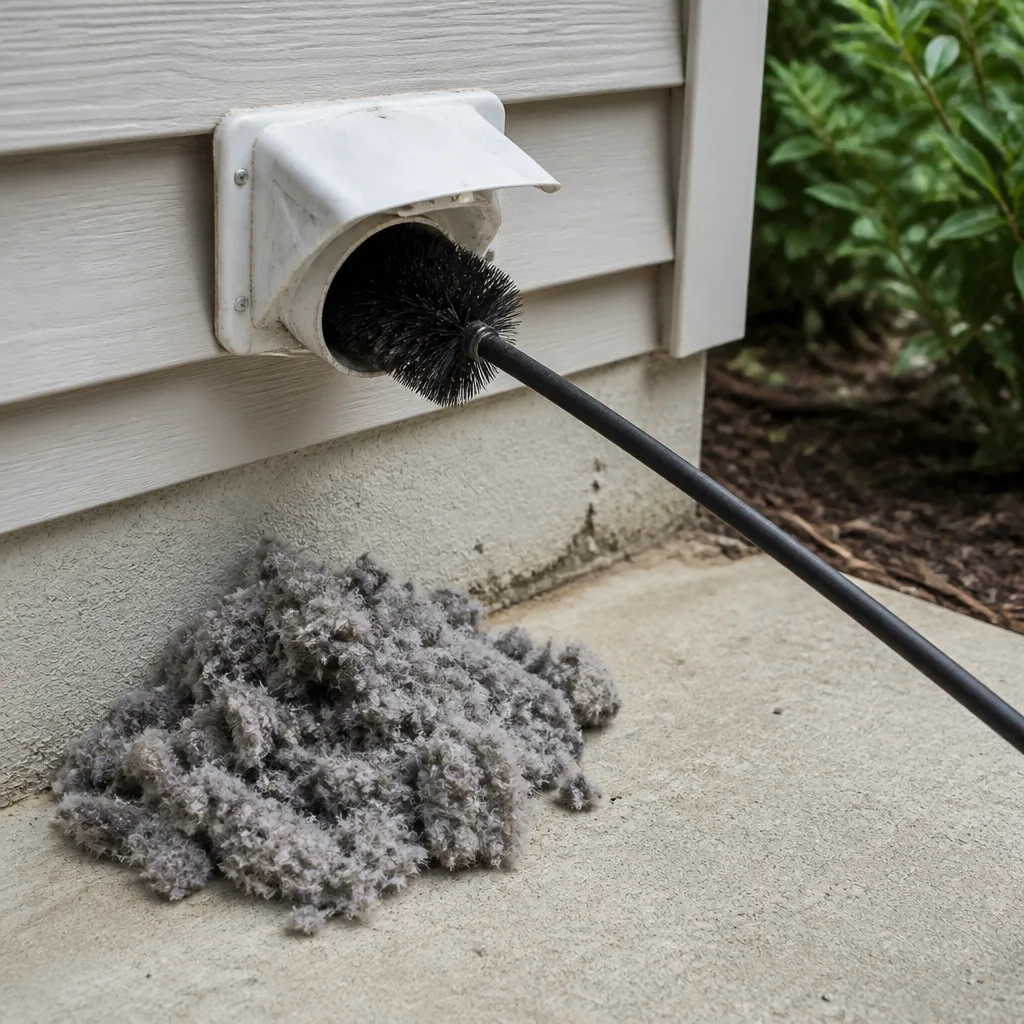 Dryer vent cleaning
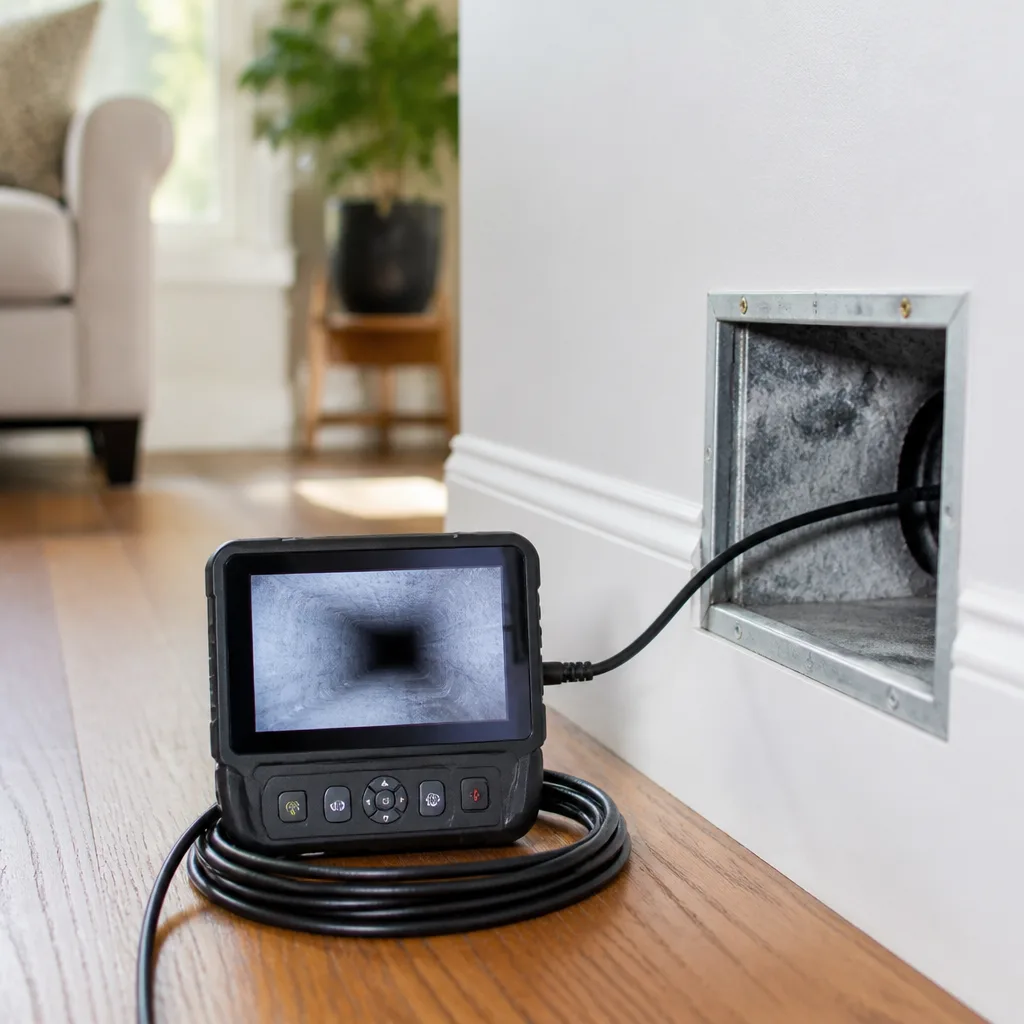 Camera inspection
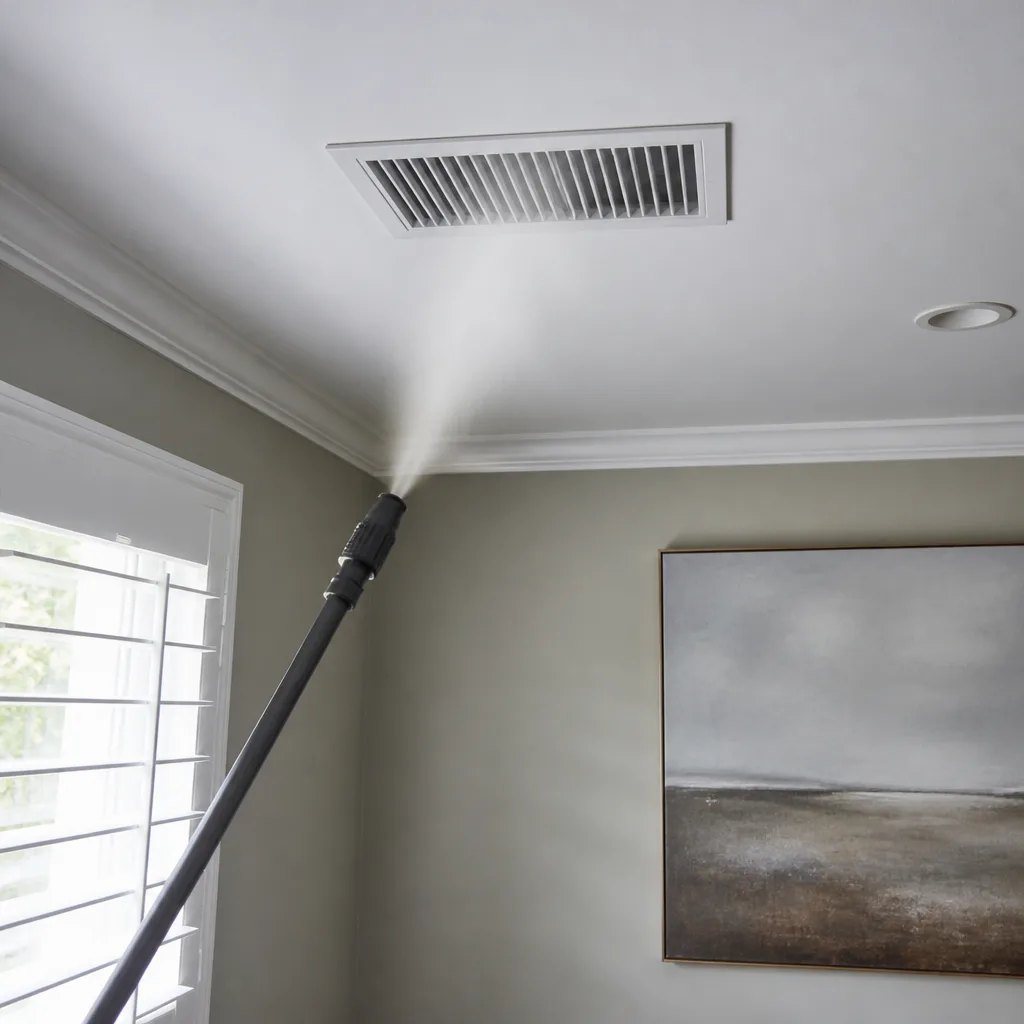 Sanitizing & deodorizing
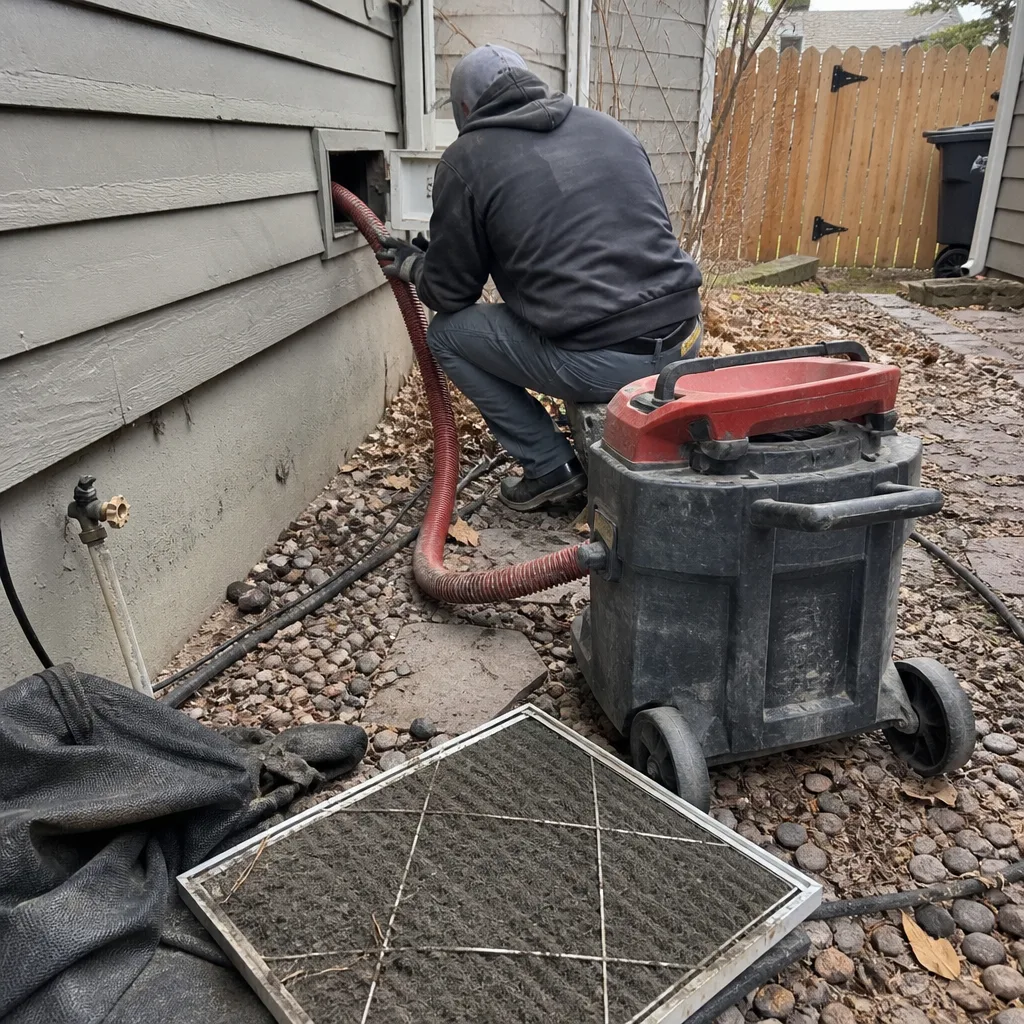
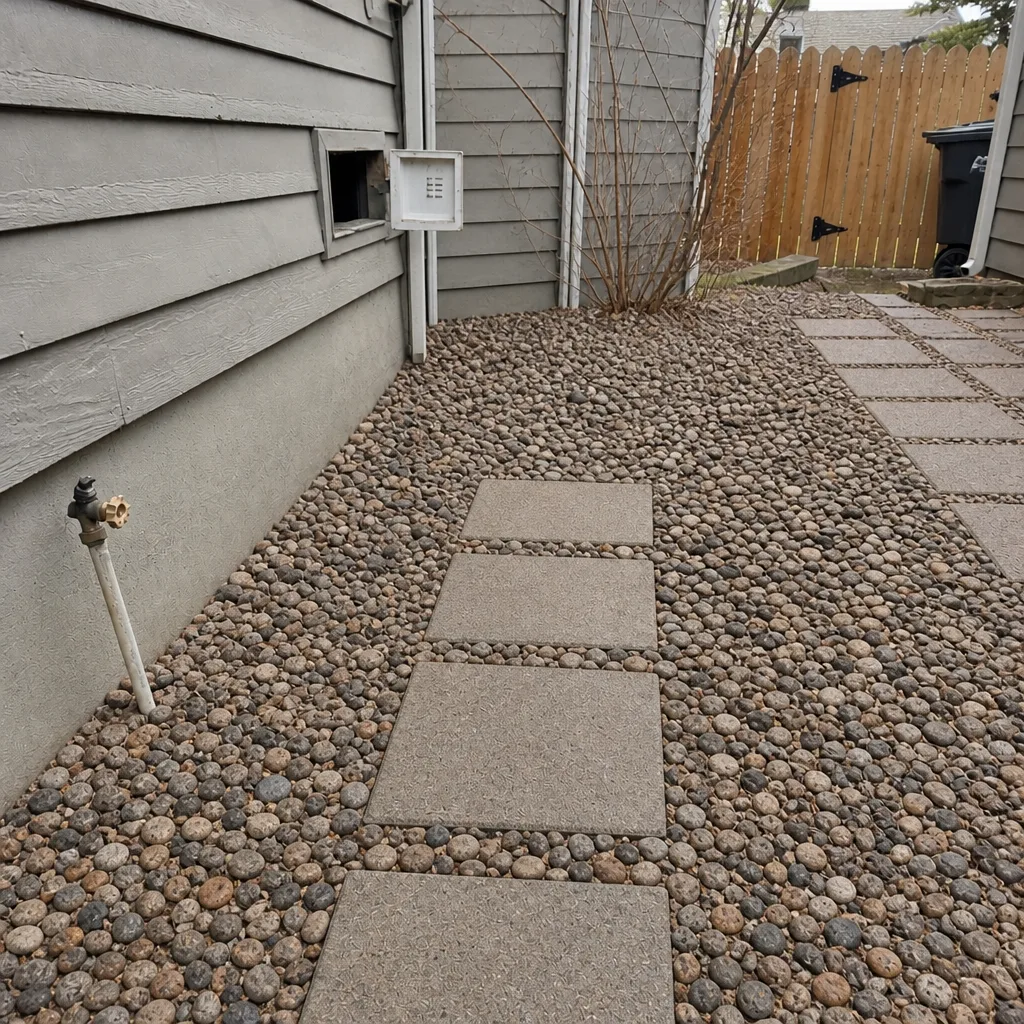
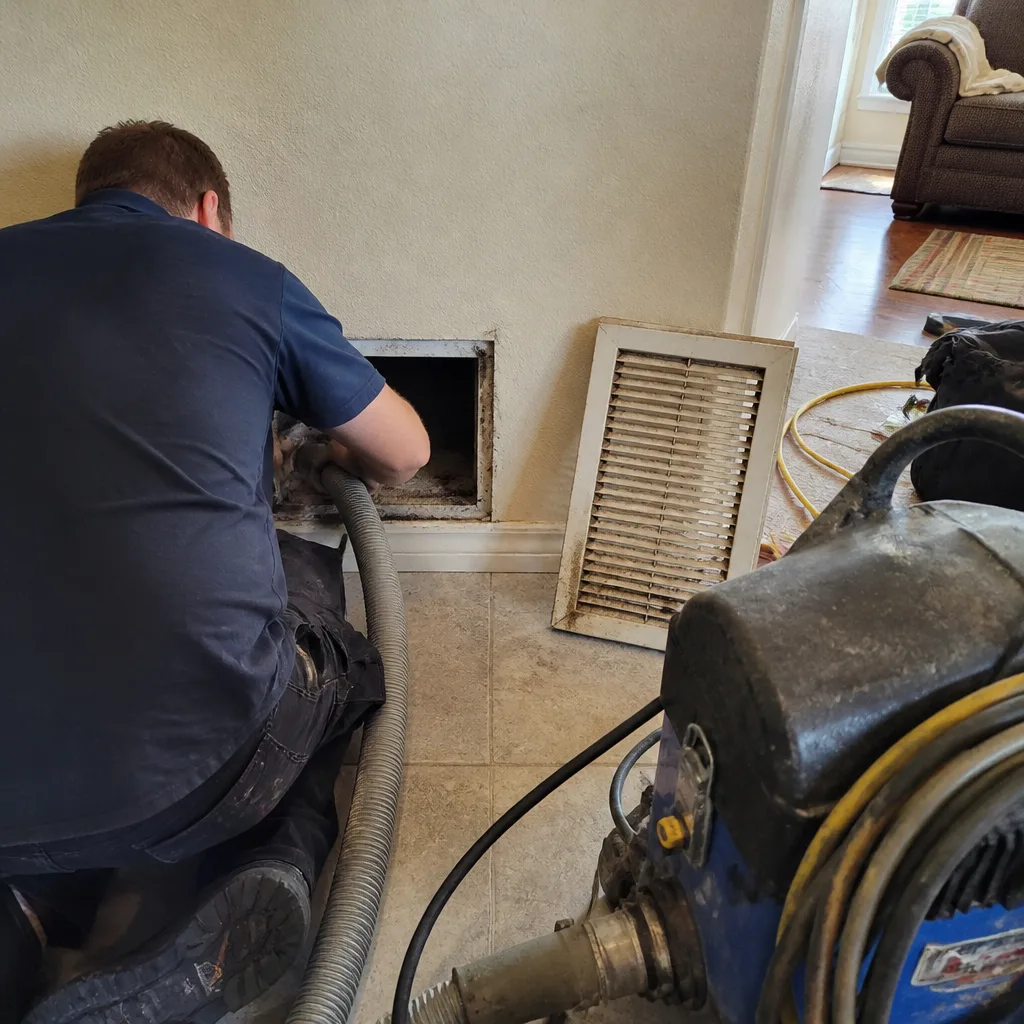
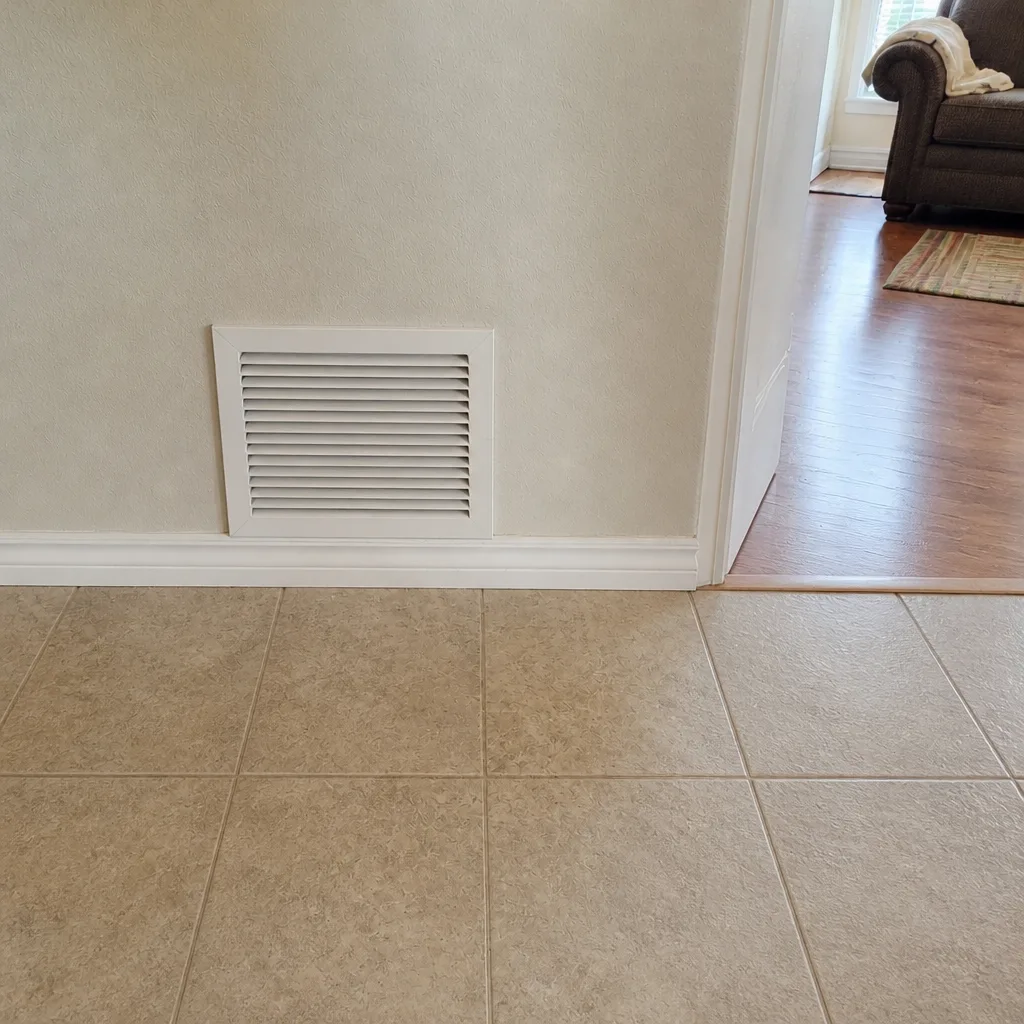
Whole-system duct and dryer vent check with before-and-after photos - you see exactly what came out of your vents
That "$99 whole-house special" is a bait ad - the real number appears once they are in your hallway, or the "clean" is a shop-vac at the register. We photograph the inside of your ducts before and after instead.
Air Duct Cleaning Emergency Preparedness Guide for Boulder Homes
Most Boulder homeowners treat duct cleaning as a spring cleaning chore, something to get to eventually. That framing misses the real reason duct systems matter here. Boulder County sits in a landscape where wildfire smoke events have become part of the seasonal rhythm, and the Marshall Fire in December 2021 destroyed more than 1,000 structures in neighboring Superior, sending smoke and ash across the region for days. Your ducts are not a maintenance afterthought in that context. They are part of your emergency plan. This guide covers what to do with your HVAC and duct system before, during, and after a wildfire or smoke event in Boulder.
Quick Answer
After a wildfire smoke event in Boulder, professional duct cleaning becomes necessary when your system ran continuously during heavy smoke (roughly AQI 150 or higher) and you notice persistent odor, visible ash at vents, or ongoing irritation despite filter changes. A filter swap alone is often enough for short, low-smoke events. For prolonged exposure, a proper cleaning involves borescope inspection, HEPA extraction, coil inspection, and particle-count verification. Call (877) 550-7147 to schedule a free estimate.
Styles & brands we work with
- Whole-home duct cleaning
- Dryer vent cleaning
- Camera inspection
- Sanitizing & deodorizing
Table of Contents
- Why Boulder Ducts Are Part of Emergency Planning
- Before Fire Season: Pre-Event Protocol
- During a Smoke Event: What to Do With Your HVAC
- After the Smoke: Assessing Duct Contamination
- What a Real Post-Wildfire Duct Cleaning Involves
- Documenting Contamination for Insurance
- Common Mistakes to Avoid
- When to Call a Professional
Why Boulder Ducts Are Part of Emergency Planning
Boulder’s wildfire exposure is well documented. The Marshall Fire demonstrated how quickly a grass fire driven by high winds can move into populated areas, and the smoke plume affected homes well beyond the burn zone. Homes in Louisville, Lafayette, and the eastern edges of Boulder pulled in smoke for hours, sometimes days, depending on wind direction and how their HVAC systems were configured at the time. The fires are the dramatic part. The slower problem is what settles into ductwork afterward.
Boulder’s housing stock makes this worse. Many homes here were built in the mid-century boom and have original or partially retrofitted duct systems with seams, joints, and return-air paths that were never designed for fine particulate capture. Older flexible duct in crawlspaces can harbor deposits for months. Once ash and fine smoke particulate settle on the interior surfaces of ductwork and the air handler, normal filter changes don’t remove them. The system keeps recirculating what’s already inside.
There’s also the topographic factor. Boulder sits against the Flatirons, and smoke from fires to the west and north tends to settle into the valley overnight. Homes in the neighborhoods closer to the foothills, like those near Chautauqua and Flagstaff, often experience longer smoke exposure than the eastern flats. That doesn’t mean eastern Boulder is safe, but it does mean the assessment after an event should account for where you live and how long the smoke lingered.
- Wildfire smoke contains fine particulate (PM2.5) that penetrates standard filters and settles in ductwork.
- Ash is acidic and corrodes aluminum fins on air handler coils over time if left in place.
- Older Boulder homes often have duct systems with more leakage and better conditions for particulate accumulation.
- Smoke events can happen outside the traditional summer fire season, as December 2021 showed.
Before Fire Season: Pre-Event Protocol
The most effective duct emergency plan is the one set up before smoke arrives. That means having the right filter installed, knowing your system’s capabilities, and having a written note of what to do when the AQI starts climbing. Most homeowners never think about this until the smoke is already in the air, and by then the hardware stores have sold out of filters.
Filter choice matters more than most people realize. A MERV 13 filter captures the fine particulate in wildfire smoke far better than the standard MERV 8 that many systems run. But not every air handler can handle the extra pressure drop of a high-MERV filter without straining the blower. Before fire season, check your system’s documentation or ask a technician what MERV rating your equipment can support. If your home runs a Honeywell or Aprilaire whole-home filtration system, these are designed to accept higher-MERV media and are the right starting point for wildfire-season protection. If you have a standard 1-inch filter slot, MERV 13 is usually the practical ceiling, and you’ll want to change it more frequently during smoke season.
Know your fan settings and dampers. Before an event, find out whether your system has manual dampers on the fresh-air intake or on individual branch runs. Some Boulder homes with zoned systems have them; many don’t. If you do have a fresh-air intake damper, you’ll want to know how to close it during a smoke event. Write down the location and the direction to turn the handle. This takes two minutes now and saves you scrambling later.
Stock a few things in advance:
- Two spare MERV 13 filters sized for your system.
- Painter’s tape or foil tape for sealing obvious duct leaks around the air handler.
- A portable HEPA air purifier for the room where you’ll spend the most time.
- A note card on the air handler with the damper instructions and the filter size.
During a Smoke Event: What to Do With Your HVAC
When smoke is heavy, the instinct is often to turn the fan on and hope the filter catches it. That instinct is usually wrong. Running your system in fan-only mode during heavy smoke pulls unfiltered air through the return ducts and distributes it through the house at a higher rate than natural infiltration would. The filter isn’t a magic wall. It’s a restriction, and every bit of air that makes it past a leaky duct seam or an unsealed return bypasses the filter entirely.
Here’s the sequence we recommend during a heavy smoke event:
- Close all windows and doors. Reduce the pressure differential that pulls outside air in.
- Set the thermostat to “off” or “auto” with the fan on low, not “on.” Fan-on mode runs continuously and pulls more air through the system than necessary. If outdoor air is thick with smoke, shutting the system down entirely is often better than running it.
- Close the fresh-air intake damper if your system has one. This is the single most important step if your HVAC brings in outside air.
- If you must run cooling or heating, keep the fan on low and change your filter as soon as you notice loading. A loaded filter is a bypass path, not a barrier.
- Set up a portable HEPA purifier in your main living space if you have one, and run it continuously.
- Don’t vacuum or dust during the event. Disturbing settled particulate adds to the airborne load.
For homes with whole-home Honeywell or Aprilaire systems, the decision tree is slightly different. These systems are designed to handle more particulate, but they still rely on a sealed duct system to work. If you know your ductwork has leaks (older Boulder homes often do), running the fan during a smoke event is still a net negative until the leaks are addressed. The filter can only do so much.
One more point: don’t run the system in fan-only mode “to clear the air.” That’s a common misconception. Fan-only mode doesn’t clear the air during a smoke event. It recirculates whatever is already in the house and draws in more from outside through every unsealed crack in the duct system. Shut it off or keep it on low.
After the Smoke: Assessing Duct Contamination
Once the smoke clears, the question becomes how bad the contamination is. The answer depends on two things: how high the AQI climbed and how long your system ran during the event. Neither factor alone tells the story. A short burst of heavy smoke with the system turned off is a filter swap. Weeks of moderate smoke with the system running is a much bigger problem.
Use this rough framework to decide:
- AQI stayed under 100 and system was off or on low: Change the filter, do a visual check at the return vents, and move on. No professional cleaning needed.
- AQI hit 100-150 for a few days and system ran normally: Change the filter and watch for odor. If the smell fades within a week, you’re probably fine. If it lingers, schedule an assessment.
- AQI hit 150 or higher for multiple days or the system ran continuously: This is where professional assessment becomes warranted. Fine particulate has likely settled into ductwork and the air handler.
- AQI was very high (200+) or you can see ash deposits at vents: Professional cleaning is necessary, not optional. Ash is acidic and will corrode the coil over time.
Beyond AQI and runtime, watch for these signs that your ducts were contaminated:
- Persistent smoky odor in rooms that don’t clear with ventilation.
- Visible gray or black deposits around supply and return grilles.
- Increased allergy or irritation symptoms that don’t improve with filter changes.
- A fine dust that reappears quickly on surfaces after cleaning.
- Vents that look clean but a borescope shows deposits further down the run.
Visual inspection at the vent doesn’t tell the whole story. Many contaminated Boulder homes have clean-looking grilles and heavily deposited duct interiors. The only reliable way to know is a borescope inspection of several representative runs and the air handler.
What a Real Post-Wildfire Duct Cleaning Involves
A legitimate post-wildfire cleaning is not a vacuum pass. It’s a documented, multi-step process that includes verification. Here’s what the process should look like if you’ve had smoke exposure, and what distinguishes real work from the cheap version that shows up with a shop vac and a coupon.
- Borescope inspection. Before any cleaning, a technician should look inside several duct runs and the air handler to document ash deposits, mold, and any structural damage. Photos of what’s found go into the report.
- Negative-air setup. A HEPA negative-air machine creates a pressure differential so that when duct surfaces are disturbed, particulate is pulled toward the machine rather than into the living space. This is where equipment matters. A Nikro negative-air machine running HEPA filtration is the right tool. A consumer vacuum is not.
- Contact cleaning of all interior surfaces. Every supply, return, and branch run needs contact cleaning, not just a vacuum at the registers. Rotobrush contact-cleaning systems are designed for this. They agitate and extract in one pass and reach surfaces a wand can’t.
- Air handler and coil inspection. The evaporator coil, blower wheel, and drain pan need inspection and cleaning. Ash is acidic. Left on the aluminum fins, it corrodes them, and a corroded coil is a much bigger expense than a cleaning.
- Contamination-level treatment if needed. For homes with heavy ash deposits, mold spores, or fine particulate that has bonded to surfaces, Abatement Technologies equipment is the appropriate escalation. Not every job needs it, but the capability should exist.
- Air quality verification. A particle counter before and after cleaning documents the result. Without verification, you’re taking the technician’s word for it.
- Optional protective treatment. Guardsman-brand protective treatments can be applied to duct interiors after cleaning to slow future microbial growth and make subsequent cleanings easier.
If a company can’t tell you what equipment they use or show you a borescope image of your own system, that’s the answer. We use Rotobrush contact-cleaning and Nikro negative-air equipment on every job, and we carry Abatement Technologies equipment for contamination-level situations. And we repair what we clean. Damaged or disconnected ductwork is common in older Boulder homes, and a cleaning is incomplete if the structural problem is still there when the technician leaves.
If you also have a clothes dryer, this is the moment to schedule dryer vent cleaning. Dryer vents are a separate fire-safety matter but they accumulate lint the same way ducts accumulate ash, and it’s worth treating both in the same visit.
Documenting Contamination for Insurance
Whether smoke damage to your HVAC system is covered under a Colorado homeowner policy depends on your specific policy language and how the loss is documented. Standard policies often cover smoke damage to the structure, but the HVAC system specifically can be excluded or capped. The documentation you gather after an event is what gives you a shot at a claim. Without it, you’re relying on memory and a verbal description.
What to photograph and record:
- Visible ash or soot deposits at supply and return grilles, with a tape measure or coin for scale.
- The air handler and coil fins, if accessible, showing any discoloration or deposits.
- Any visible filter loading, with the date written on the filter visible in the shot.
- Your thermostat’s runtime history if your system logs it, or a written note of how many days the system ran during the event.
- The AQI on each day of the event, screenshotted from a local source.
What professional cleaning documentation should include:
- Before-and-after borescope images of each duct run.
- Particle-count readings taken before and after cleaning.
- A written summary of what was found, what was cleaned, and any damage identified in the air handler or ductwork.
- An itemized invoice that separates cleaning from any repair work.
This is where a cleaning that follows NADCA standards matters. NADCA (the National Air Duct Cleaners Association) sets the industry’s recognized practices for inspection, cleaning, and documentation. A cleaning done to those standards produces a paper trail an adjuster can evaluate. A cleaning done by a crew that can’t tell you what they did or show you what they found doesn’t give you much to work with. If you’re considering a claim, ask upfront whether the cleaning report will include before-and-after borescope images and particle readings. If the answer is vague, that tells you something.
We can’t tell you whether your specific loss is covered. That’s a conversation with your adjuster and your policy language. What we can do is produce cleaning documentation detailed enough for an adjuster to review. We can also work with your insurer on the paperwork side.
Common Mistakes to Avoid
- Running the fan continuously during a smoke event. Fan-on mode moves more air than you want during heavy smoke and pulls it through every leak in the duct system. Shut the system down or keep the fan on low.
- Swapping in a higher-MERV filter than your system can handle. A MERV 16 filter in a system designed for MERV 8 will strain the blower and may cause icing or premature motor failure. Match the filter to the equipment.
- Assuming a clean-looking vent means clean ducts. Contamination lives further down the run and in the air handler. Only a borescope tells you what’s actually there.
- Choosing the lowest bid from a company that can’t name its equipment. If the technician can’t tell you what machine is coming into your home or show you a borescope image of your own run, the work isn’t verifiable.
- Skipping the air handler and coil. Ash-laden duct cleaning that leaves the coil fouled hasn’t solved the problem. The acidic deposits continue corroding the fins after the cleaning.
- Not documenting the event before cleaning. Photos and AQI records taken after cleaning are much less useful for an insurance claim. Document first, then clean.
- Ignoring dryer vent lint while addressing smoke. Same house, same event, same fire-hazard logic. If your dryer vent has been a while, handle it in the same visit.
When to Call a Professional
Call a professional when any of these apply: your system ran continuously during a multi-day smoke event with AQI above 150; you can see ash deposits at supply or return grilles; a smoky odor persists indoors more than a week after the smoke clears; you’re experiencing irritation or respiratory symptoms that don’t improve with filter changes; your air handler coil shows visible discoloration; or you’re filing an insurance claim and need documentation. Also call if your home is older and you’re unsure whether the duct system has leaks, since a leaky system is a bypass path that makes any cleaning less effective. We clean and we repair, and our technicians have up to 9 years of experience assessing what a duct system actually needs. Boulder Duct Cleaning offers free estimates in Boulder. Call (877) 550-7147. We answer 24/7. Fast dispatch from 7am to 7pm, Sunday through Friday.
See the difference
 Before
 After
 Before
 After
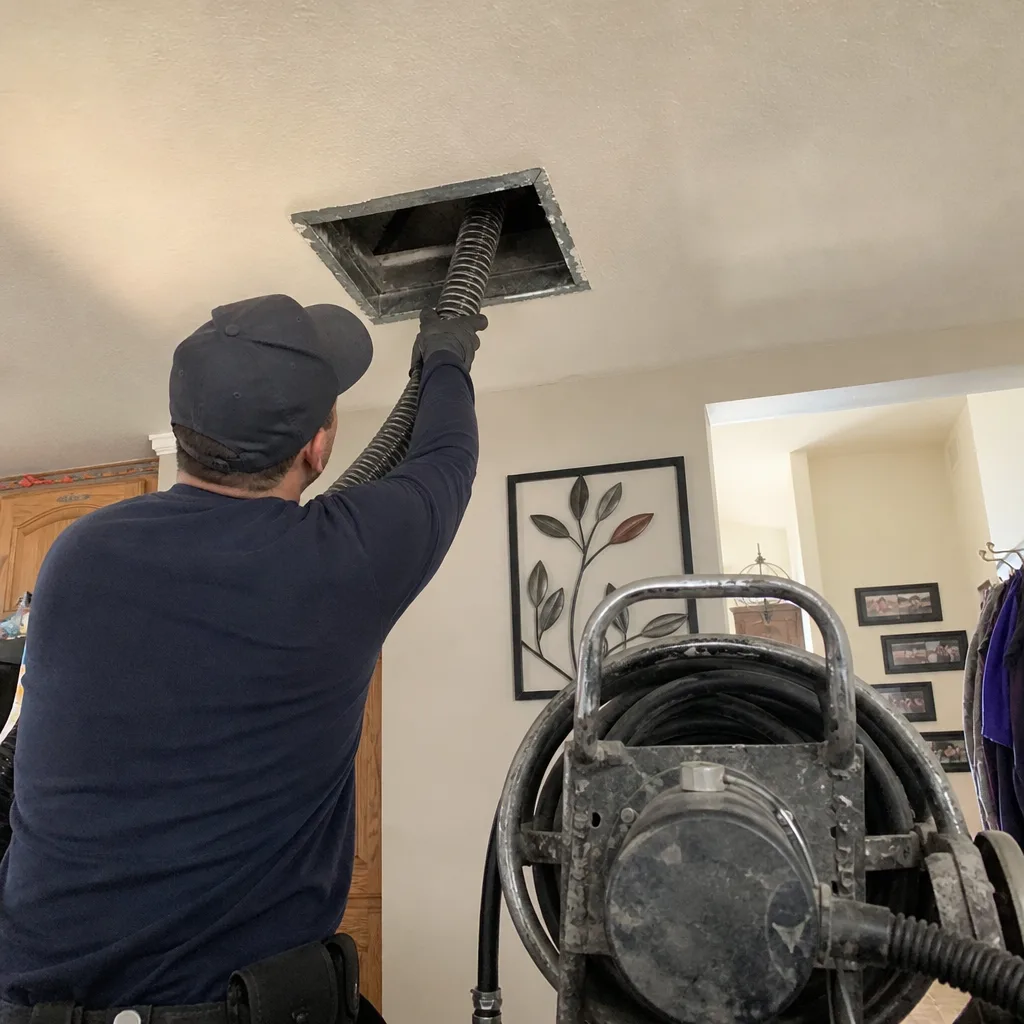 Before
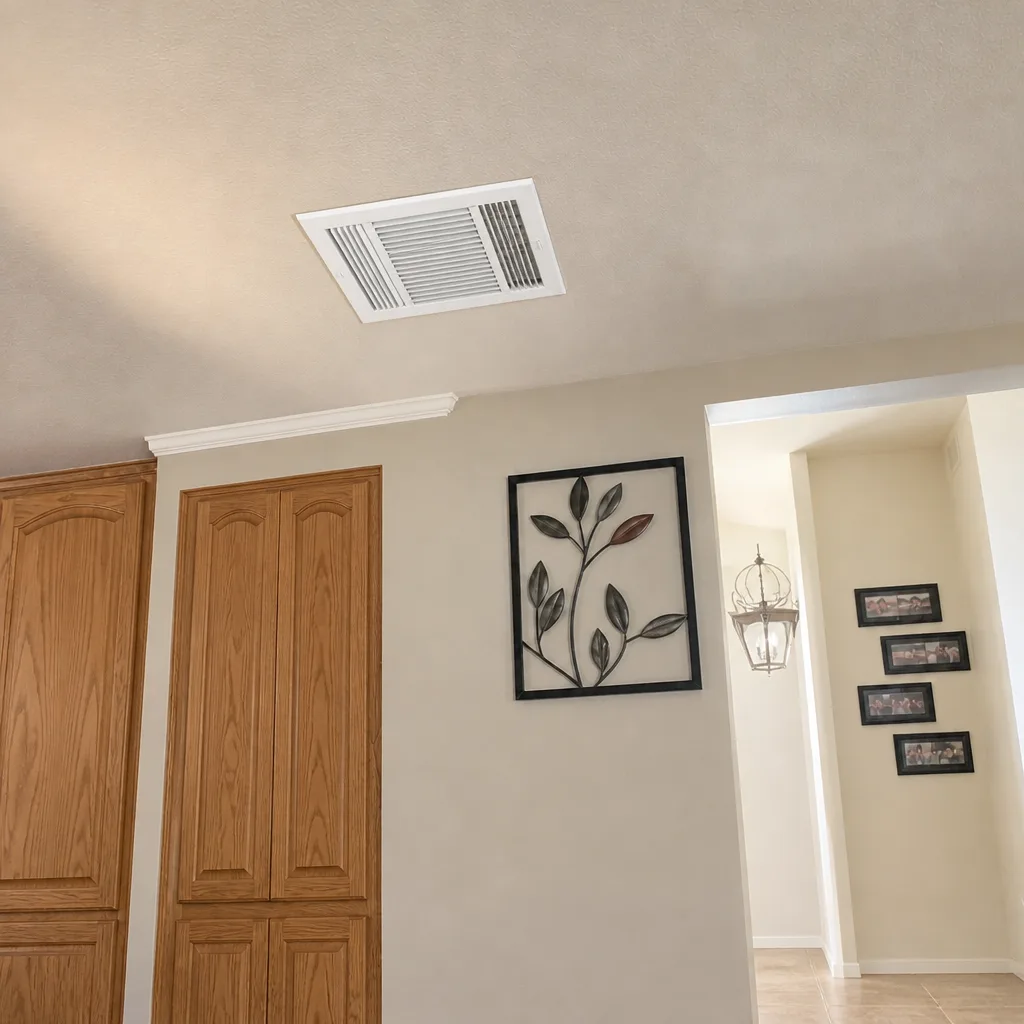 After
Frequently Asked Questions
Schedule the inspection and cleaning within one to four weeks of the smoke clearing. Ash deposits are acidic and begin corroding the air handler coil within weeks, and the longer deposits sit on duct surfaces, the more they bond and the harder they are to remove. If you’re filing an insurance claim, get the documentation photos done first, then schedule the cleaning. Call (877) 550-7147 for a free estimate.
It depends on your policy. Standard Colorado homeowner policies often cover smoke damage to the structure, but HVAC systems specifically can be excluded or capped, and the outcome depends heavily on the documentation you provide. Photograph visible deposits and AQI records before cleaning, and get a cleaning report with before-and-after borescope images and particle readings. We can work with your insurer on the paperwork side, but coverage questions go to your adjuster.
Yes. Routine cleaning focuses on accumulated household dust. Post-wildfire cleaning targets fine particulate and acidic ash, and it requires borescope inspection to confirm what’s actually in the ducts, HEPA negative-air containment, contact cleaning of every run, air handler coil inspection, and particle-count verification. Not every job needs Abatement Technologies equipment, but contamination-level situations call for it. A routine vacuum pass won’t remove bonded ash.
Look at two things: how long the system ran during the smoke event and how high the AQI climbed. If the AQI stayed under 100 with the system off or on low, a filter swap is usually enough. If the AQI hit 150 or higher for multiple days with the system running, or you can see ash deposits at the vents, professional cleaning is warranted. A borescope inspection gives you a definitive answer. Call (877) 550-7147 to schedule one.
A MERV 13 filter is a practical choice for wildfire-season protection in most residential systems. It captures fine particulate effectively without straining the blower the way a MERV 16 might. The right answer depends on your equipment: check your air handler’s documentation or ask a technician what your system can support. Homes running Honeywell or Aprilaire whole-home filtration systems can usually accept higher-MERV media because those systems are designed for it.
No. Running the fan in fan-only mode during a heavy smoke event recirculates what’s already in the house and pulls additional smoke in through every unsealed duct seam and return path. It doesn’t clear the air, and it makes contamination worse. Shut the system down or keep it on low during heavy smoke. If you have a fresh-air intake damper, close it.
Both. We offer air duct repair as a dedicated service alongside cleaning. Older Boulder homes often have disconnected or damaged duct sections that a cleaning alone won’t fix. If a run is crushed, disconnected, or leaking, we identify it and repair it. The cleaning is only complete when the structural problem is resolved. Call (877) 550-7147 and we’ll include repair scope in the estimate if it’s needed.
The Bottom Line
Wildfire smoke events in Boulder are a recurring fact of life, and the Marshall Fire made that concrete. Your HVAC and duct system is part of how your home responds to smoke, both during the event and for months afterward. Before fire season, install the right MERV filter, know your damper locations, and write down the shutdown sequence. During a heavy smoke event, shut down or slow the fan and close fresh-air intakes. Afterward, use AQI and runtime to assess whether a filter swap is enough or a professional cleaning is warranted. Document everything if there’s any chance of a claim. When you need a free estimate on cleaning, repair, or both, call (877) 550-7147. We answer 24/7. Fast dispatch from 7am to 7pm, Sunday through Friday.
For more on our full scope, see air duct cleaning and our Boulder Duct Cleaning main page. If you’re also considering dryer vent fire safety, see dryer vent cleaning, and for local context on the area we serve, see Boulder.
Written by the team at Boulder Duct Cleaning.